In this webinar, the Center on Budget and Policy Priorities and the Digital Benefits Network explored key terms related to digital identity, and provided ecosystem-level context on how authentication and identity proofing may show up in the online benefits experience and impact clients.
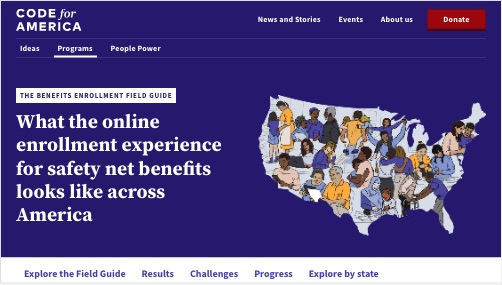
The Benefits Enrollment Field Guide looks at the landscape of America’s safety net benefits experience in 2023 and tracks the differences from our 2019 assessment based on expanded evaluation criteria. It also highlights successful paths to equitable, human-centered experiences. It examines online enrollment for Modified Adjusted Gross Income (MAGI) Medicaid, SNAP, TANF, the Child Care Assistance Program (CCAP), and WIC.
This page includes data and observations about authentication and identity proofing steps specifically for online applications that include child care applications.
An overview video describing the Digital Identity Risk Management process outlined in NIST's Digital Identity Guidelines, which organizations can use to develop a risk-based approach to identity management.
This page includes data and observations about account creation and identity proofing steps specifically for online applications that include MAGI Medicaid.
This article describes the General Services Administration’s efforts to get a limited number of state and local governments to try login.gov with their federally funded programs.