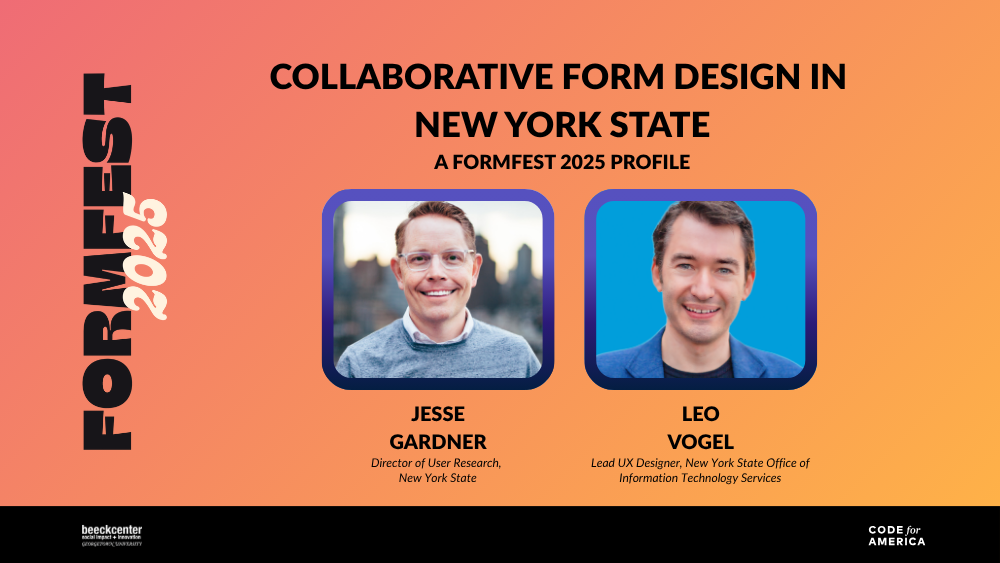
A FormFest profile highlighting how New York State’s design and technology teams are reimagining form creation through collaborative, human-centered design methods that simplify processes and expand participation.
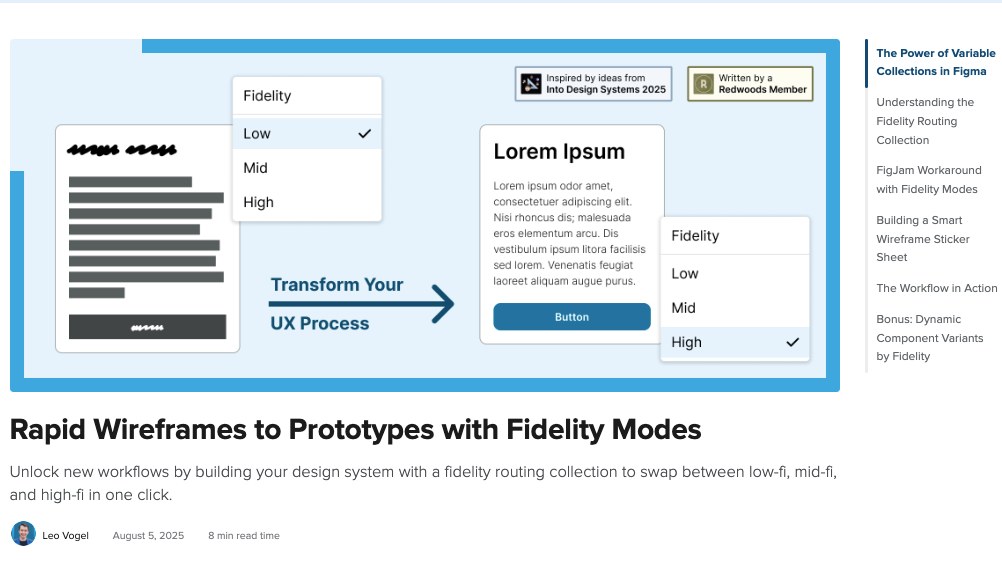
A practical resource explaining how to choose and use different fidelity modes in rapid prototyping to align team understanding and streamline design iterations.
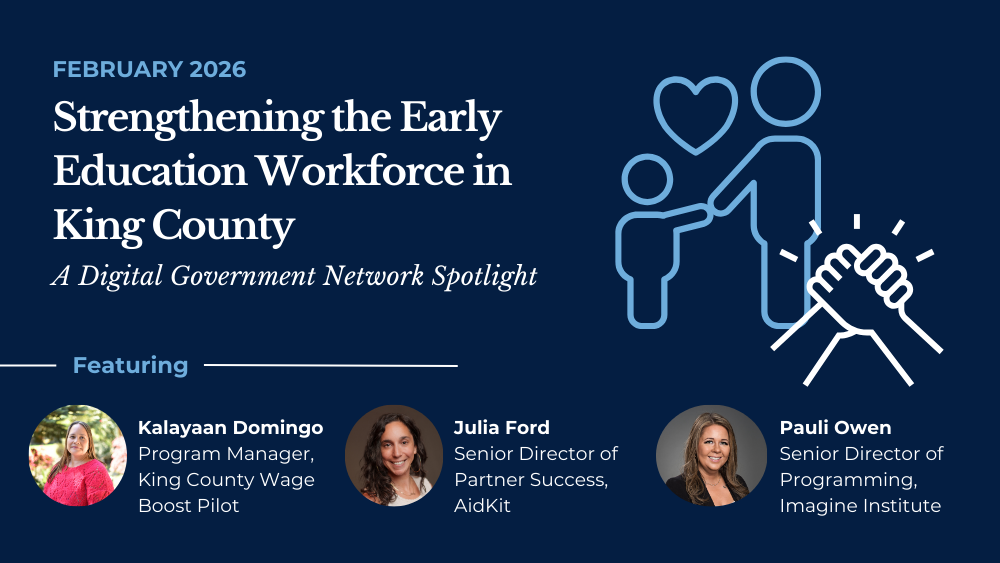
DGN Spotlights highlight innovative digital initiatives transforming how government connects with the public. This story explores Seattle’s Youth Connector—a youth-informed digital platform and outreach strategy that aims to make youth programs easier to find, access, and trust.
DGN Spotlights are short-form project profiles that feature exciting work happening across our network of digital government practitioners. Spotlights celebrate our members’ stories, lift up actionable takeaways for other practitioners, and put the resources + examples we host in the Digital Government Hub in context.
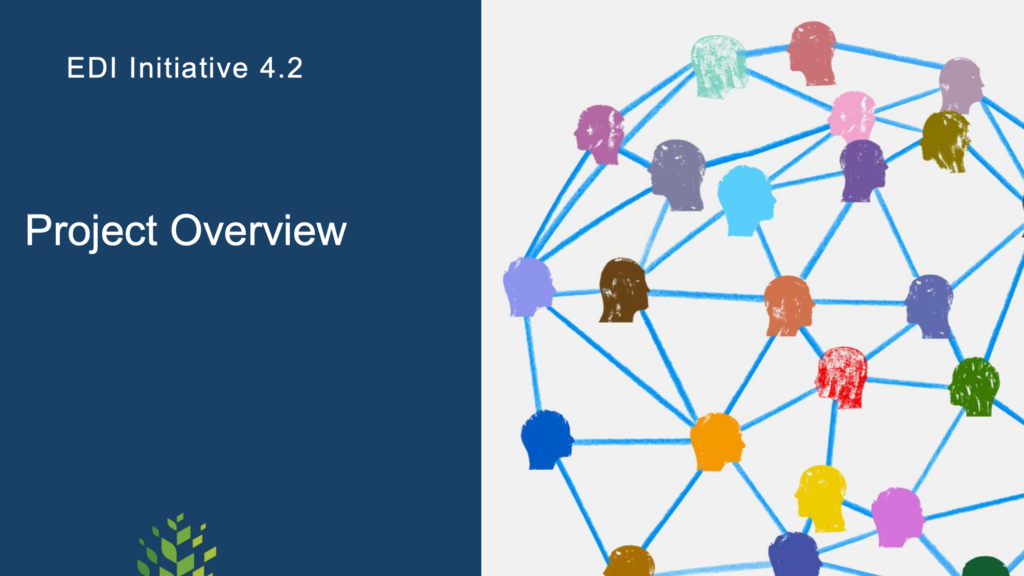
This project overview presentation outlines a digital initiative focused on evaluating and addressing the digital divide through expanded broadband access, devices, and digital literacy programs.
The report summarizes qualitative research and feedback from Tribal leaders and grant administrators to inform improvements in federal grant systems and processes.
U.S. Department of Health and Human Services (HHS)
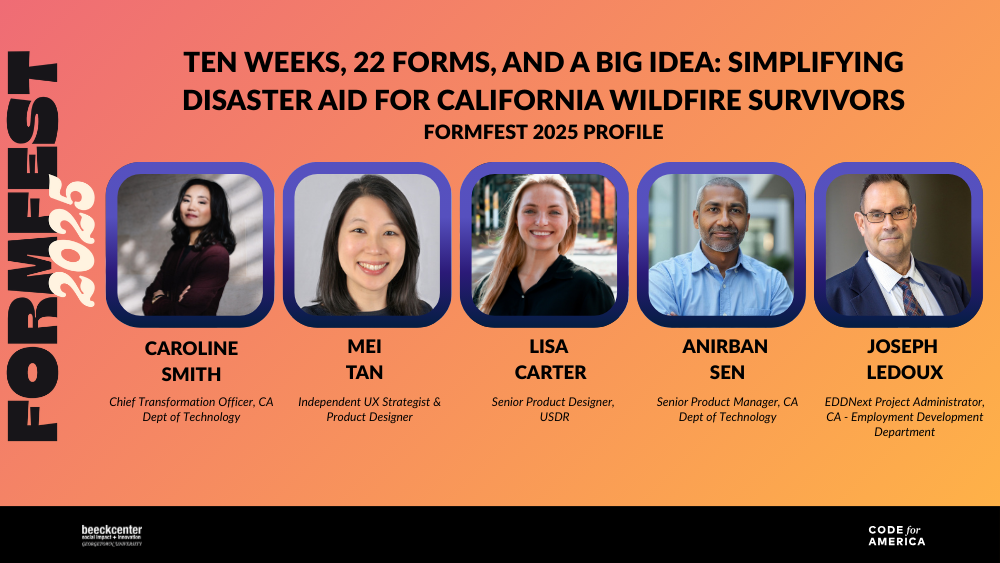
This FormFest profile describes how California rapidly simplified disaster-aid processes for wildfire survivors by auditing 22 forms across eight agencies and developing a concept for a universal eligibility form and relief portal.
Innovators inside and outside of government are working to improve access to the social safety net using data, technology, and design. This report highlights innovations carried out by The Rockefeller Foundation’s Data and Technology grantees from 2018 to 2021, including extraordinary efforts to meet the challenges of the pandemic. Those grantees are: Benefits Data Trust, Code for America, Georgetown University’s Beeck Center for Social Impact and Innovation, U.S. Digital Response, and the Digital Innovation and Governance Initiative at New America. In 2020, these projects secured more than $200 million in benefits for close to 100,000 people across at least 36 states, and helped millions more through policy change, training, and guidance.
To improve the .gov registrar, 18F and CISA created customer panels to gather feedback, opinions, and suggestions. Using a customer-centric approached enabled 18F and CISA to identify areas for improvement, build a product roadmap, and establish relationships with users.