During the call, we heard from two speakers: April Dunlap, Policy Administrator for Arizona’s Department of Economic Security and Professor Michele Gilman, Venable Professor of Law and Associate Dean for Faculty Research and Development at the University of Baltimore School of Law.
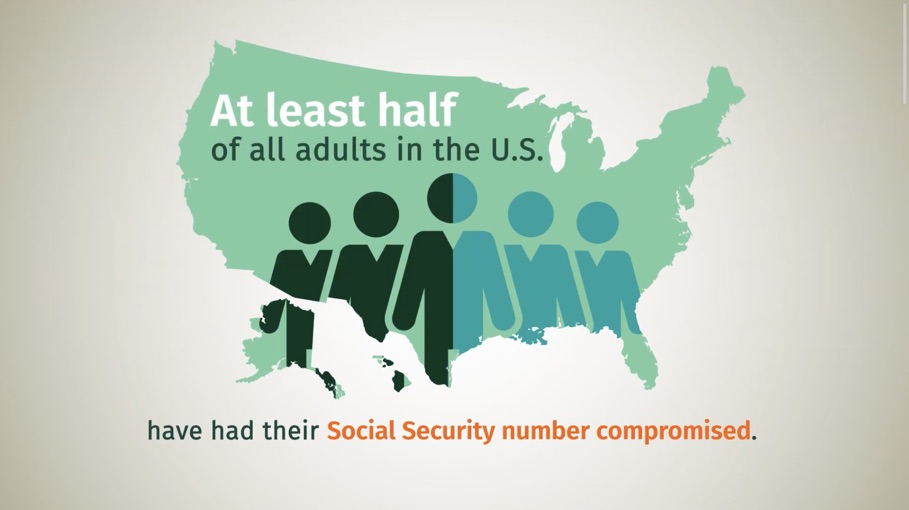
This short explainer video introduces digital identity and argues for modernizing identity systems in the United States, in partnership with government.
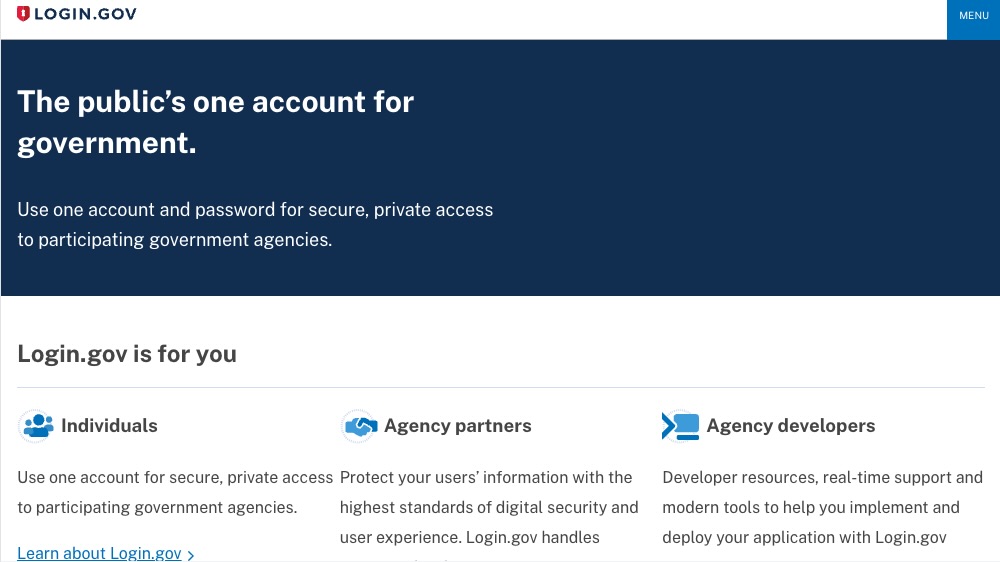
Described as the “public’s one account for government,” this U.S. government website allows users to use one account and password for secure, private access to participating government agencies.
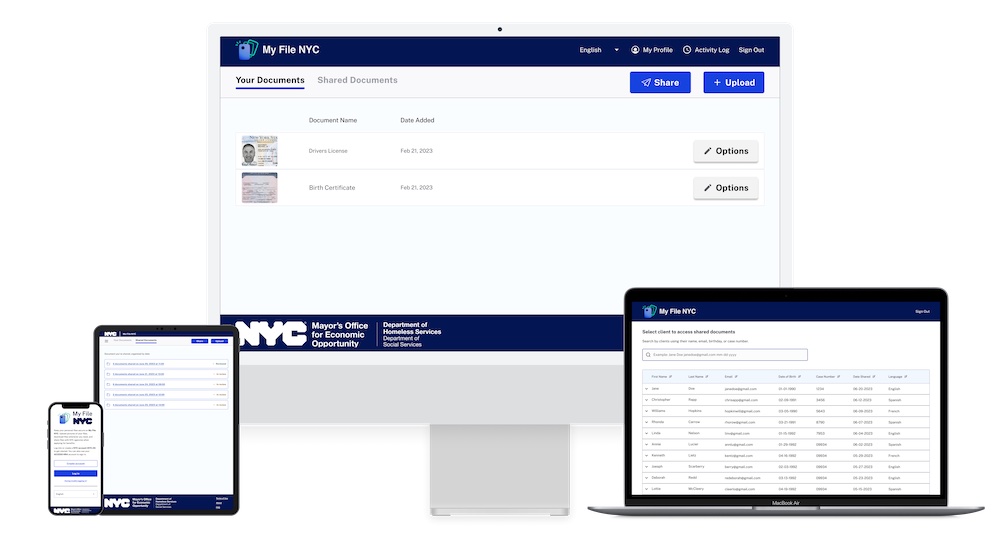
MyFile NYC is a digital platform that allows New York City residents experiencing homelessness to securely store, share, and manage vital documents with the Department of Homeless Services, streamlining the process of establishing eligibility for public benefits. This pilot, launched in 2022, aims to improve service access by reducing barriers like communication and documentation challenges, while allowing users control over their information.
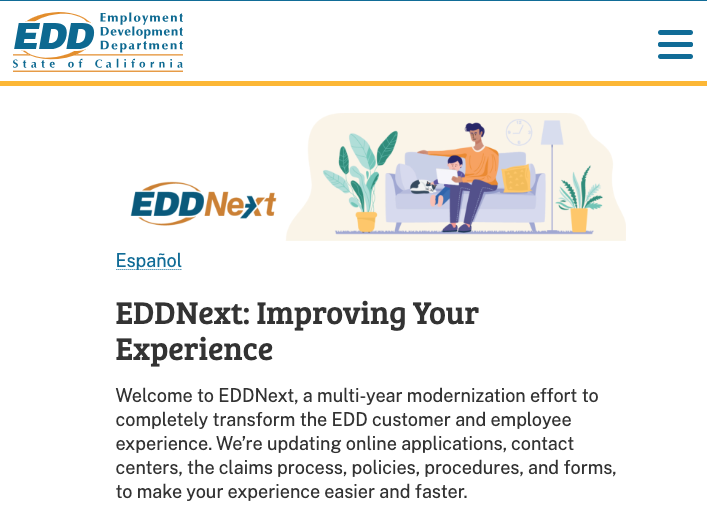
The California Employment Development Department (CA EDD) launched the EDDNext initiative to modernize benefit delivery, focusing on user-centric procurement for a new identity verification system.
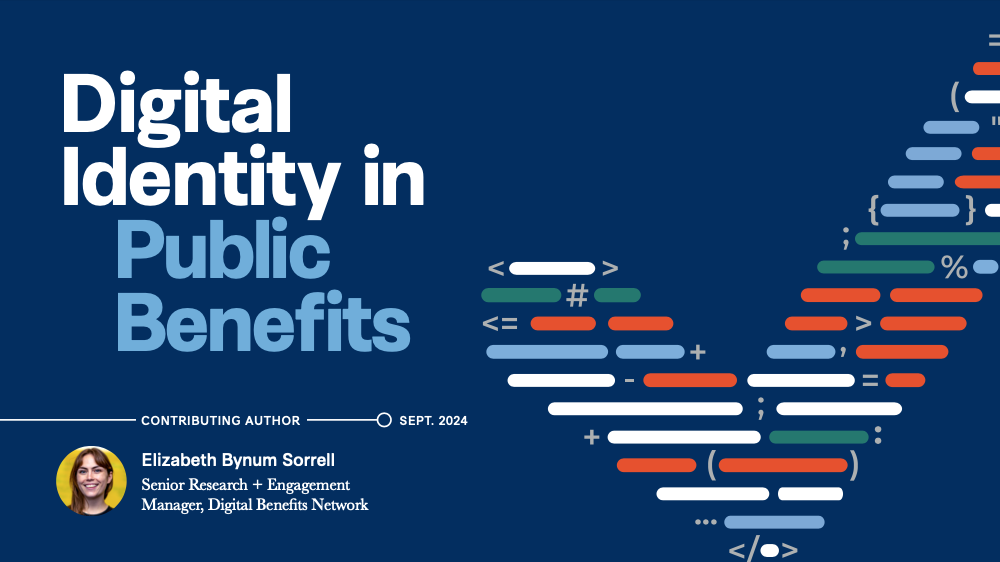
In this updated primer, the DBN describes how identity proofing and authentication show up in public benefits applications and outlines equity and security concerns raised by common identity proofing and authentication methods.
The report examines how current remote identity proofing methods can create barriers to Medicaid enrollment and suggests improvements to ensure equitable access for all applicants.
The Login.gov program roadmap articulates the values of the Login.gov program, outlines strategic priorities, and documents how the program is approaching nuanced identity topics.
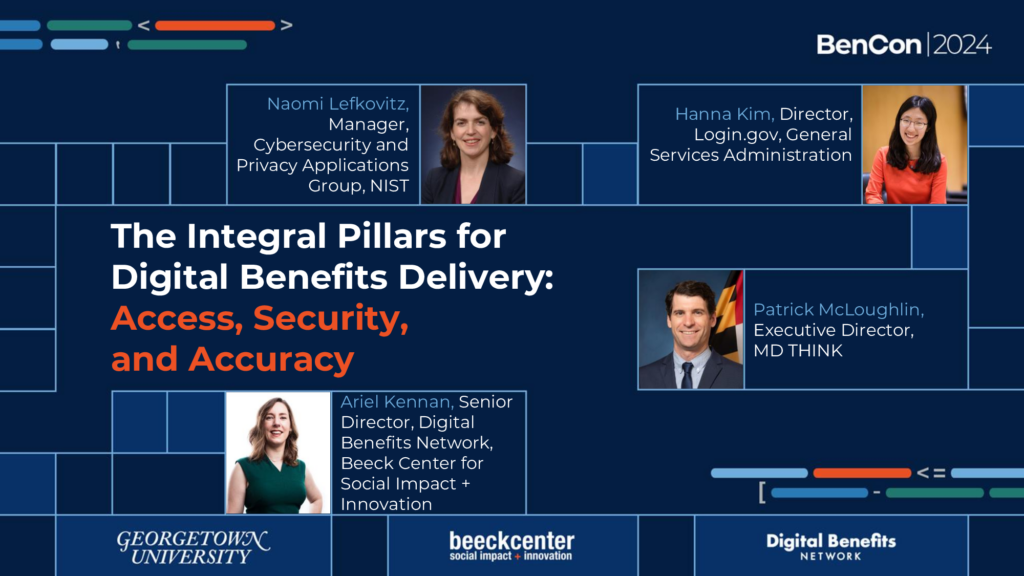
Government leaders discuss how to ensure seamless access to public benefits through breaking down silos, user-friendly digital identities, and privacy-focused security measures.
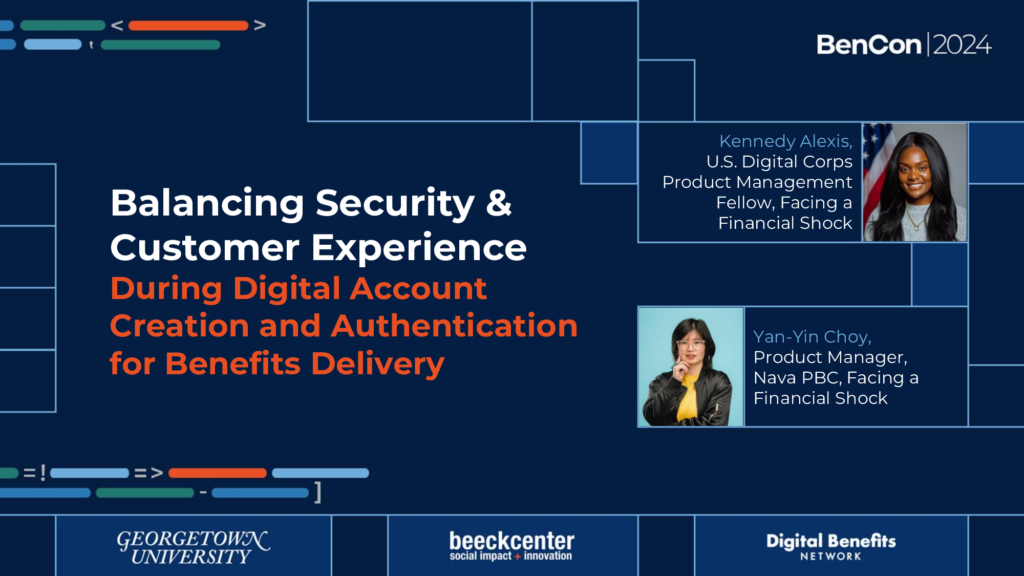
This presentation explores the balance between security and user experience in digital benefit account creation and authentication, highlighting insights from a forthcoming playbook focused on SNAP and Medicaid portals.