In this video, Susan S. Gibson, chair of the Pandemic Response Accountability Committee's (PRAC) Identity Fraud and Redress Working Group, speaks with Jeremy Grant of the Better Identity Coalition, about the challenges of identity fraud for benefits program during the COVID-19 pandemic.
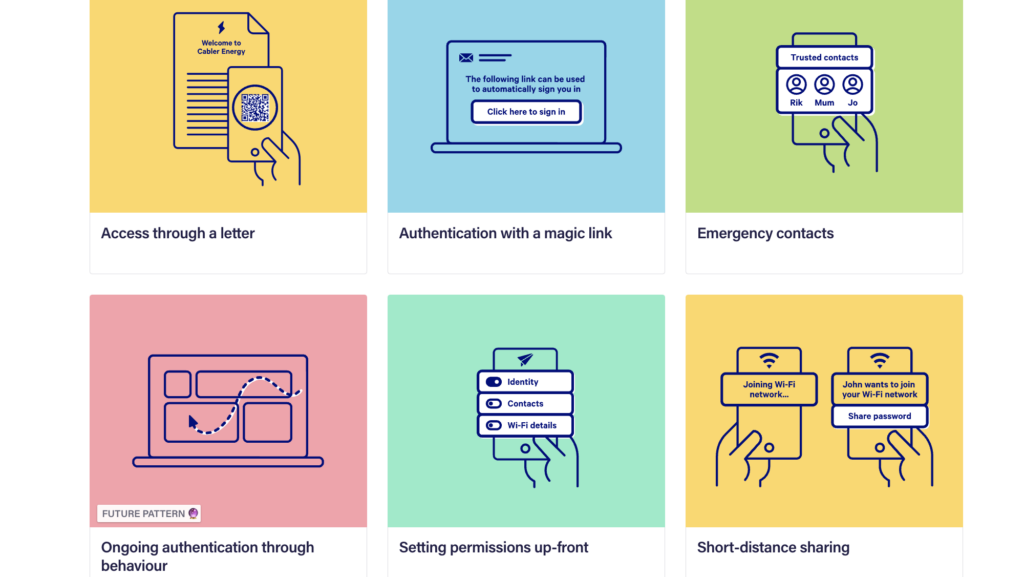
A catalogue to help teams design trustworthy services that work for people. Categories including informing decisions, signing into services, giving and removing consent, and doing security checks.
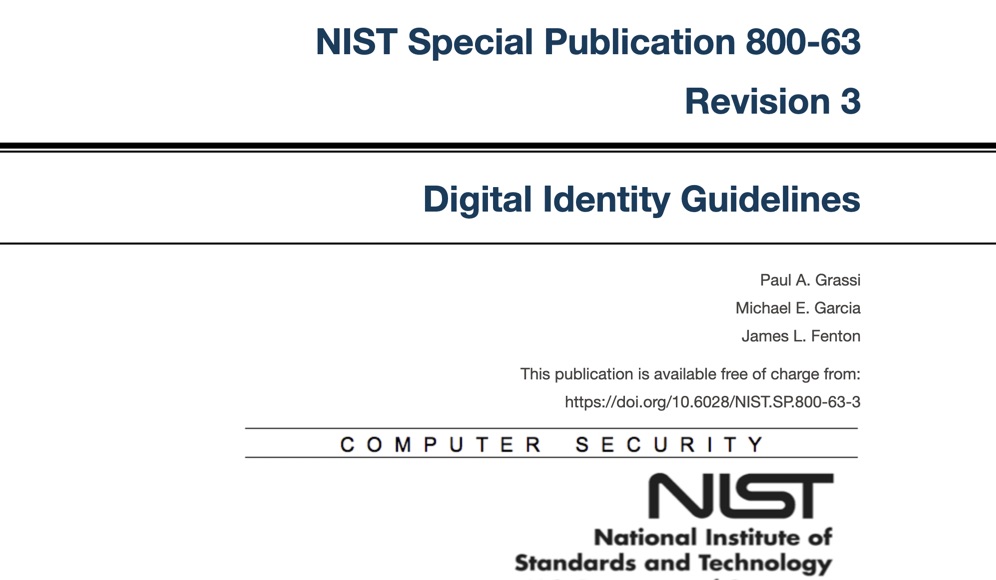
These guidelines from the National Institutes of Standard and Technology provide technical requirements for federal agencies implementing digital identity services.
National Institute of Standards and Technology (NIST)
The Enterprise Single Sign-On (SSO) Playbook is a practical guide to help federal agencies implement or modernize an SSO service for federal employee access to government applications.
In this panel conversation from Better Identity Coalition’s 2022 policy forum “Identity, Authentication, and the Road Ahead” presenters from the General Services Administration, the Transportation Security Administration, the Consumer First Coalition, and the congressional branch, discuss government’s role in digital identity.
These guidelines provide technical requirements for federal agencies implementing digital identity services and are not intended to constrain the development or use of standards outside of this purpose. This guideline focuses on the enrollment and verification of an identity for use in digital authentication.
National Institute of Standards and Technology (NIST)
In 2018 the Better Identity Coalition released a Policy Blueprint outlining five key initiatives that to solve the majority of America’s challenges in the digital identity space. This report from 2024 grades progress on each of the original Blueprint’s five key initiatives – as well as the 19 items that were contained in the “action plan” to support those initiatives.
On May 19, 2023, the Digital Benefits Network published a new, open dataset documenting authentication and identity proofing requirements across online SNAP, WIC, TANF, Medicaid, child care (CCAP) applications, and unemployment insurance applications.
This policy brief offers recommendations to policymakers relating to the computational and human sides of facial recognition technologies based on a May 2020 workshop with leading computer scientists, legal scholars, and representatives from industry, government, and civil society
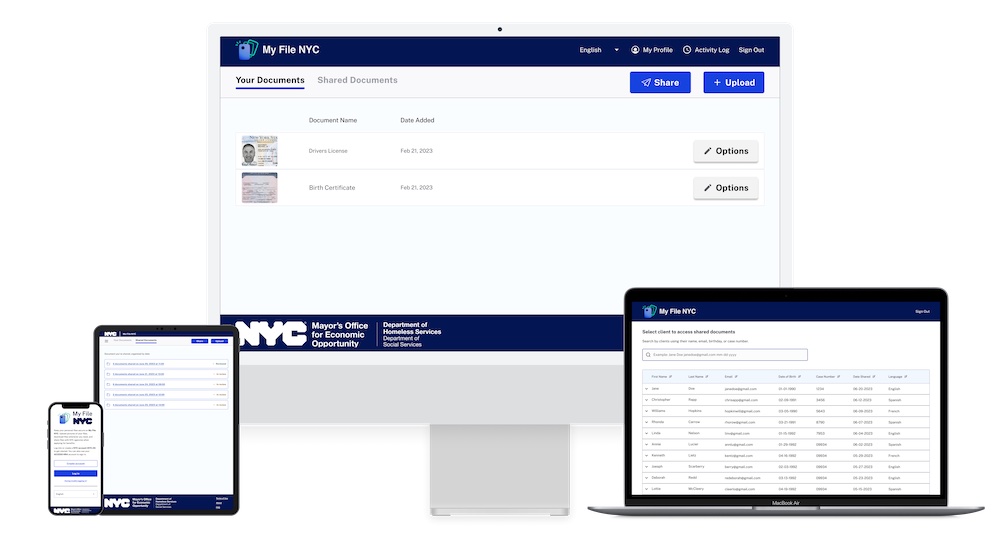
MyFile NYC is a digital platform that allows New York City residents experiencing homelessness to securely store, share, and manage vital documents with the Department of Homeless Services, streamlining the process of establishing eligibility for public benefits. This pilot, launched in 2022, aims to improve service access by reducing barriers like communication and documentation challenges, while allowing users control over their information.
The California Employment Development Department (CA EDD) launched the EDDNext initiative to modernize benefit delivery, focusing on user-centric procurement for a new identity verification system.