This report outlines a dozen fintech and civic tech organizations working across fourteen safety net programs to show what’s possible when modern technology is married to a consumer insights perspective.
The OECD's Recommendation on the Governance of Digital Identity, adopted on 8 June 2023, provides guidelines for member countries to establish secure and user-centric digital identity systems that enhance trust and facilitate access to online services.
Organisation for Economic Co-operation and Development (OECD)
This report details findings and lessons from a project to develop a calculator to help people anticipate how a change in earnings from employment would affect their net income and information on their estimated effective marginal tax rate.
U.S. Department of Health and Human Services (HHS)
This brief examines how state Temporary Assistance for Needy Families (TANF) programs adapted policies during the early stages of the COVID-19 pandemic to address emerging challenges.
This issue brief describes the Pennsylvania case study, outlines the historical context, and offers strategies and recommendations for successfully implementing Fast Track.
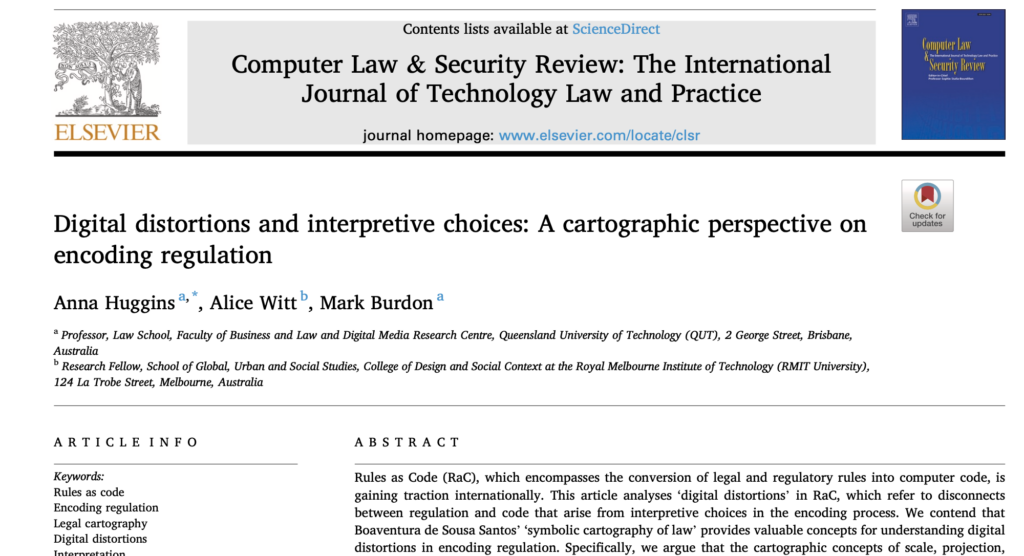
This article analyses ‘digital distortions’ in Rules as Code, which refer to disconnects between regulation and code that arise from interpretive choices in the encoding process.
Applicants to federal aid programs face numerous barriers in accessing benefits they are eligible for. The Centers for Medicaid and Medicare conducted an extensive qualitative user research study to better understand applicant experience in enrolling in public assistance programs. Based on the results, the study emphasizes the need for simplified, streamlined and less burdensome application processes.
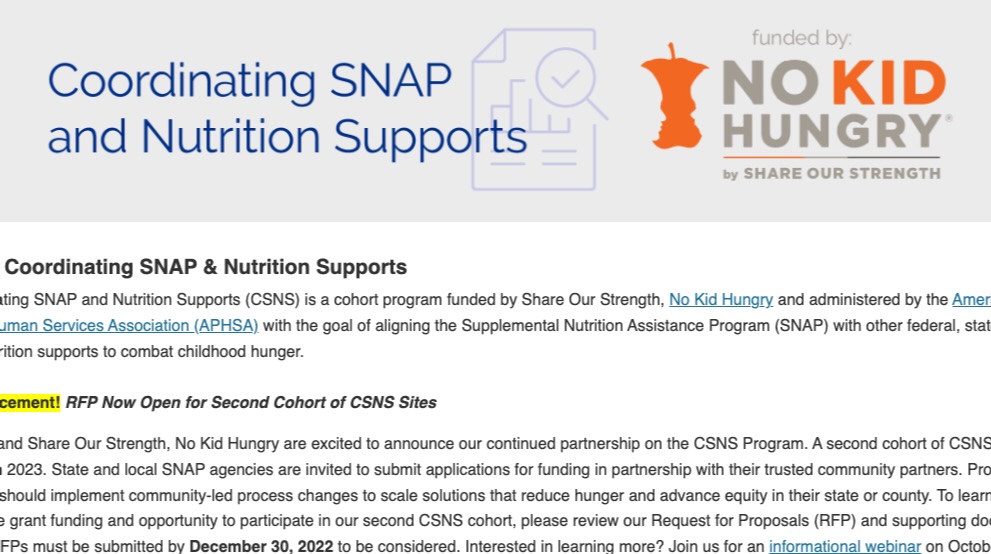
Coordinating SNAP & Nutrition Supports (CSNS) is a cohort program developed by the American Public Human Services Association (APHSA) and No Kid Hungry, a national campaign run by Share Our Strength.
American Public Human Services Association (APHSA)
This paper argues that a human rights framework could help orient the research on artificial intelligence away from machines and the risks of their biases, and towards humans and the risks to their rights, helping to center the conversation around who is harmed, what harms they face, and how those harms may be mitigated.
This guide highlights best practices in benefits access, showcasing how Michigan, New York City, and San José improve accessibility through plain language, multilingual translation, resident co-creation, and technology tools.