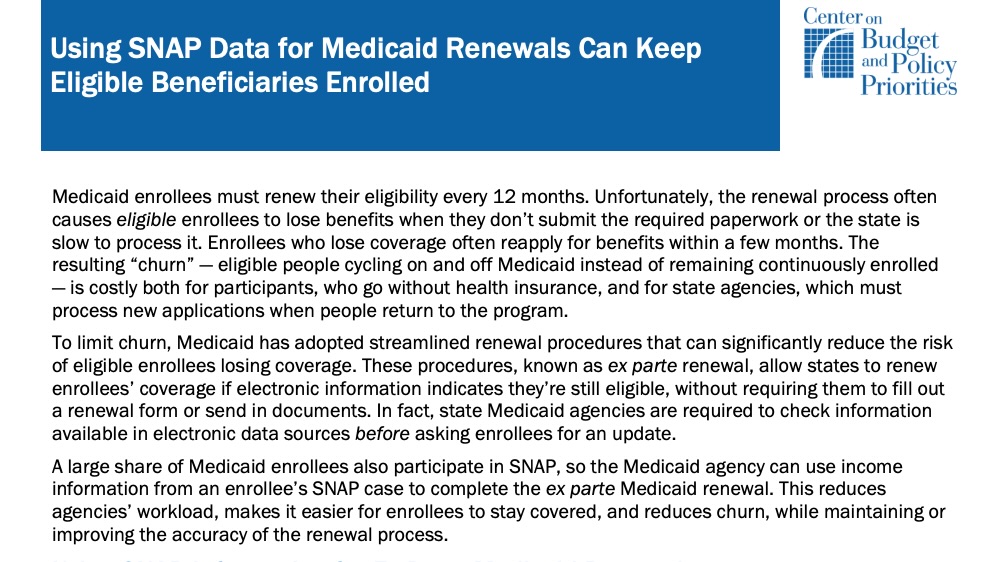
The report discusses how state Medicaid agencies can utilize Supplemental Nutrition Assistance Program (SNAP) data to streamline the Medicaid renewal process, thereby maintaining coverage for eligible beneficiaries.
This report highlights lessons learned from improving economic stability and well-being outcomes for young parent families, focusing on interagency collaboration, community engagement, data-driven improvement, and aligned services to guide future efforts.
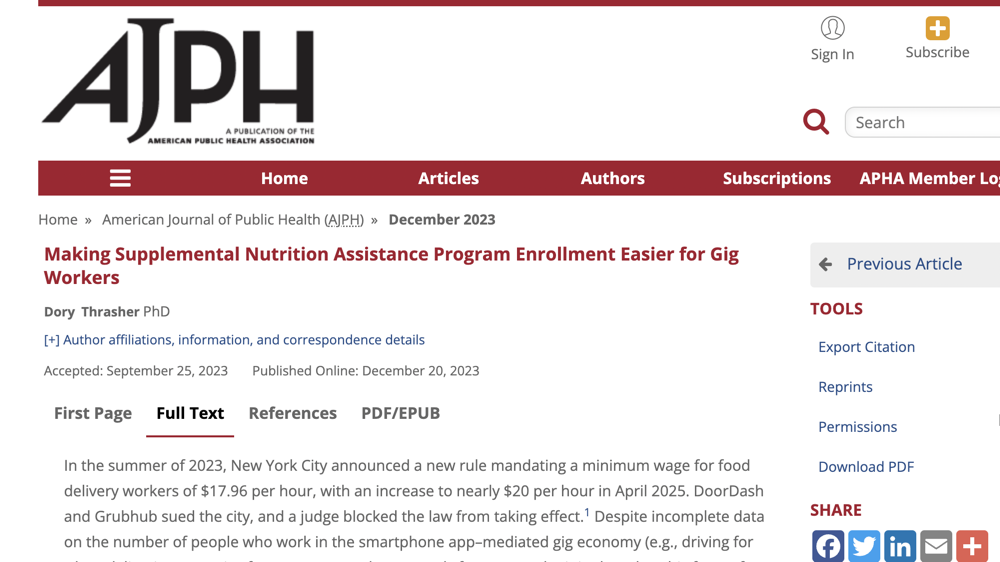
Article describing the “time tax,” the costs to people applying or benefits in terms of spending substantial amounts of time navigating user-unfriendly interfaces. The article describes the necessity of simplifying safety-net programs and cross-coordinating across various social service programs.
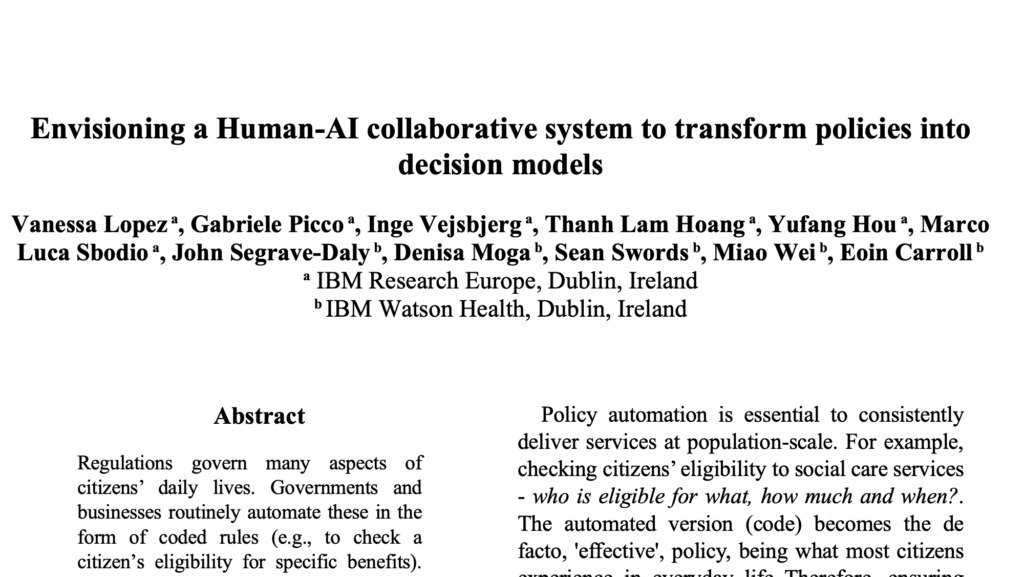
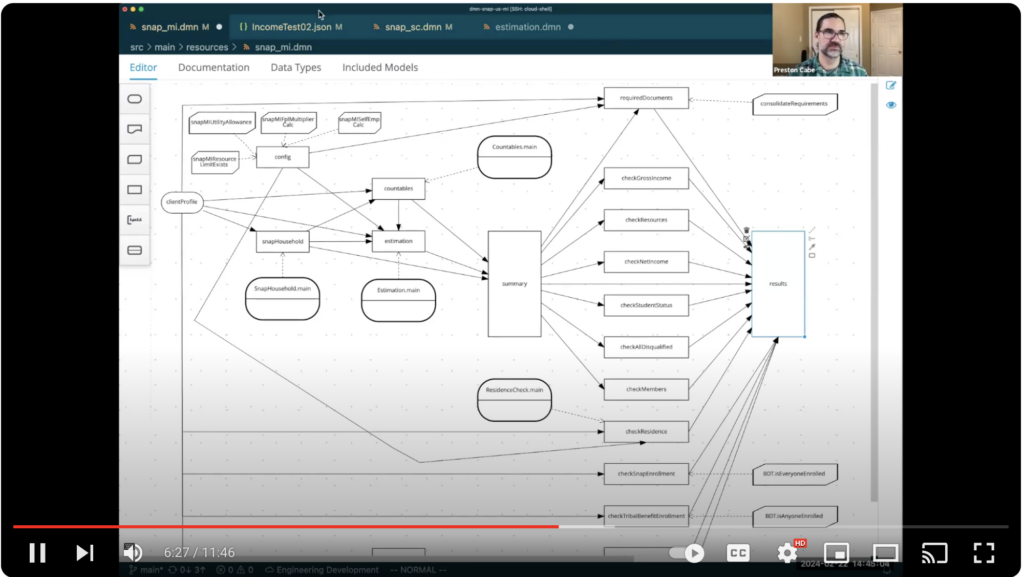
This paper introduces the problem of semi-automatically building decision models from eligibility policies for social services, and presents an initial emerging approach to shorten the route from policy documents to executable, interpretable and standardised decision models using AI, NLP and Knowledge Graphs. There is enormous potential of AI to assist government agencies and policy experts in scaling the production of both human-readable and machine executable policy rules, while improving transparency, interpretability, traceability and accountability of the decision making.
The Texting Playbook provides guidance and well-researched strategies to help state agencies implement texting in support of Medicaid, SNAP, WIC, and other benefits programs. It provides an overview of how to start texting clients; the types of messages to send, including real examples; Federal Communications Commision (FCC) policy guidance; how to encourage opt-ins and collect consent; how to avoid coming across as spam; and a cost analysis of texting.
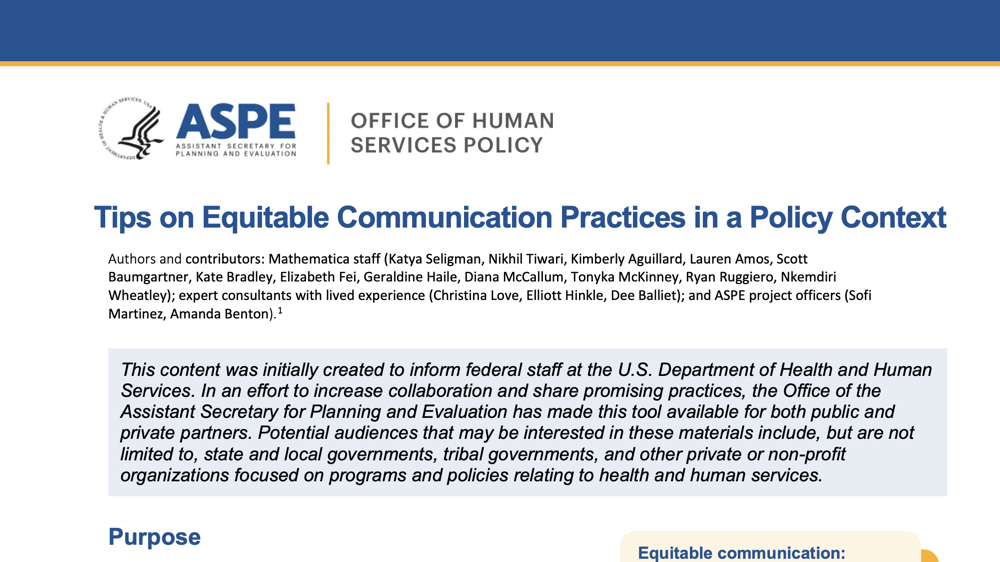
Initially created to inform federal staff at the U.S. Department of Health and Human Services, this tip sheet highlights the importance of using equitable communication and includes tips, guiding questions, and additional resources.
Office of the Assistant Secretary for Planning and Evaluation (ASPE)
This resource is a communications toolkit designed to help states and stakeholders inform Medicaid and CHIP recipients about the eligibility renewal process, ensuring they take necessary steps to maintain or transition to alternative health coverage.
This report outlines key lessons and recommendations from Code for America's collaboration with the Voluntary Income Tax Assistance program, which served over 800,000 clients via GetYourRefund.org.
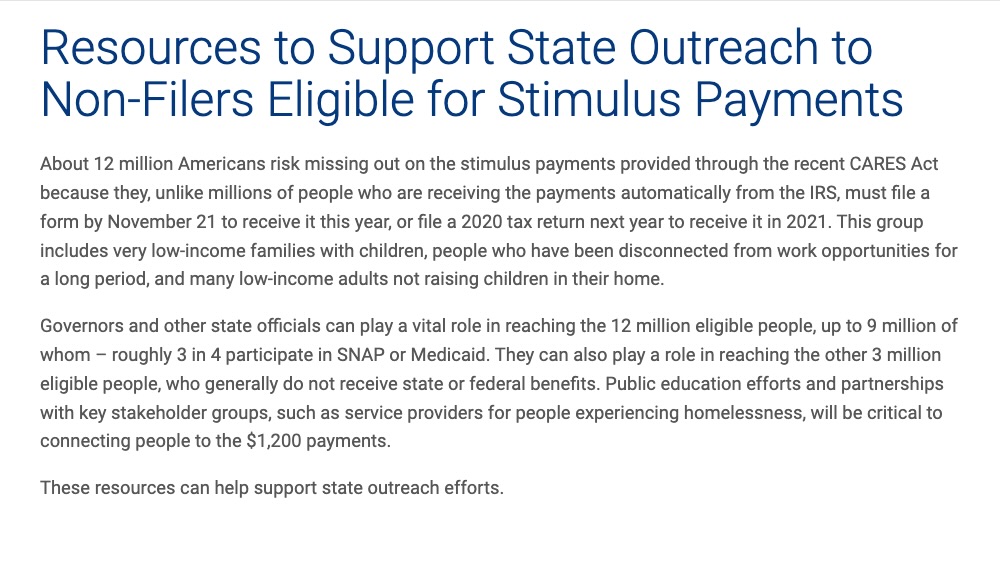
Approximately 12 million low-income individuals risk missing out on federal stimulus payments due to non-filing status, prompting the Center on Budget and Policy Priorities (CBPP) to recommend targeted state outreach to connect eligible non-filers with their Economic Impact Payments (EIPs).
These guidelines provide technical requirements for federal agencies implementing digital identity services and are not intended to constrain the development or use of standards outside of this purpose. This guideline focuses on the use of federated identity and the use of assertions to implement identity federations. Federation allows a given credential service provider to provide authentication and (optionally) subscriber attributes to a number of separately-administered relying parties.
National Institute of Standards and Technology (NIST)