Important considerations for understanding user needs to inform responsive design in rapidly changing contexts are discussed, including how context, threat perception, decision-making, and crisis affects disaster management and UX research.
Less than 10% of applications for VA health care are submitted digitally. This article describes how the U.S. Digital Service partnered with the Health Eligibility Center to change that, making it possible for anyone with an internet connection to apply anytime, anywhere, from any device.
Differing federal requirements for public benefit applications create significant barriers for applicants and complicate state efforts to integrate services.
Policymakers, program administrators, federal leaders, researchers, and advocates are increasingly focused on using administrative data to build evidence for improving government programs. Achieving this goal requires accessible data sources and the capacity to use them, yet stakeholders have little information about the baseline level of state capacity in these areas. How does one measure concepts such as “effective data use” and “analytic capacity?” This brief reports findings from a pioneering and comprehensive needs assessment that examined the capacity of Temporary Assistance for Needy Families (TANF) programs in 54 U.S. states and territories to analyze data used for program improvement, monitoring, and evidence-building. The needs assessment provides a foundation for technical assistance and continued improvement for the TANF program and may also provide valuable insights and frameworks for other state-administered human services programs.
The report beings by briefly describing the challenge that disabled workers face in accessing UI and the benefits of reforming the system to better serve these workers. The report then presents a list of considerations for UI reform in the areas of administrative process and technology improvements as well as considerations for policy change.
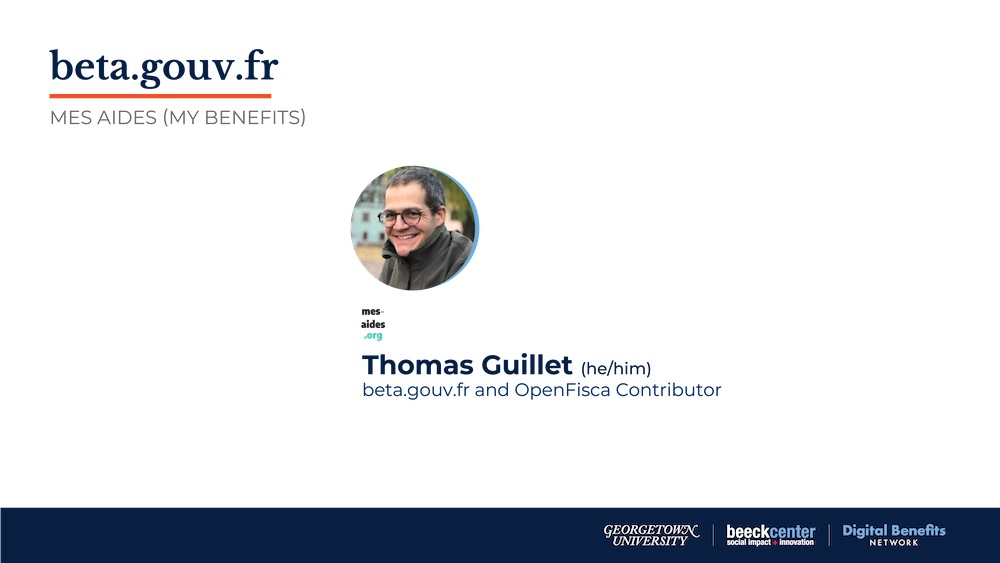
The first half of Rules as Code Demo Day was wrapped up with Thomas Guillet who has contributed to Open Fisca France and beta.gouv. He demoed the code for Mes Aides—or My Benefits—which is France’s social benefit simulator that leverages open source rule models for over 600 benefits while keeping the displayed complexity to its minimum.
This article discusses the various benefits of publicly-funded open-source software. These benefits include fairness and transparency, economic stimulus, and support of the Federal Source Code Policy Agenda.
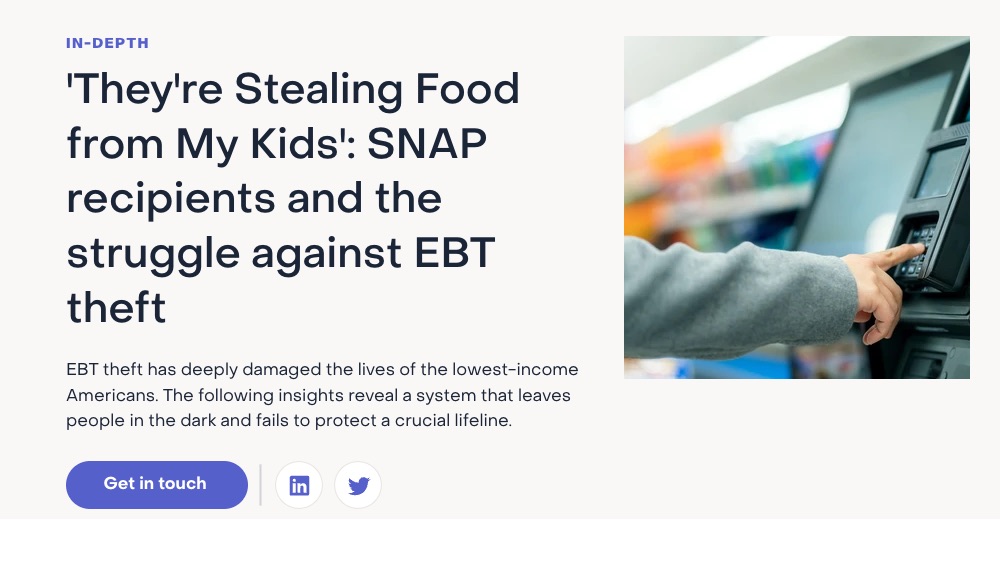
EBT theft has deeply damaged the lives of the lowest-income Americans. The following insights reveal a system that leaves people in the dark and fails to protect a crucial lifeline.