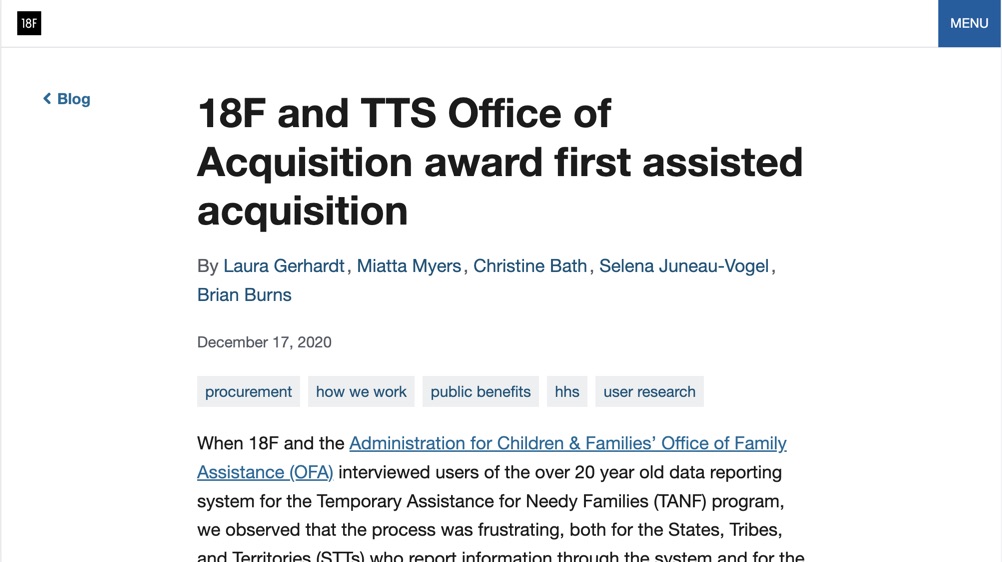
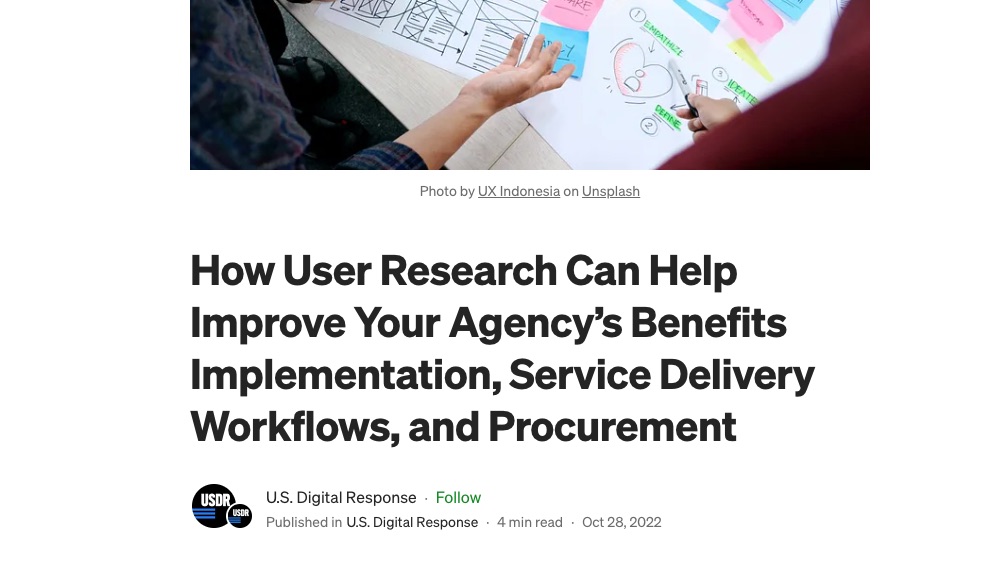
The Administration for Children and Families’ Office of Family Assistance (OFA) worked with 18F to replace its legacy data reporting system through product management training, user research, and an assisted acquisition.
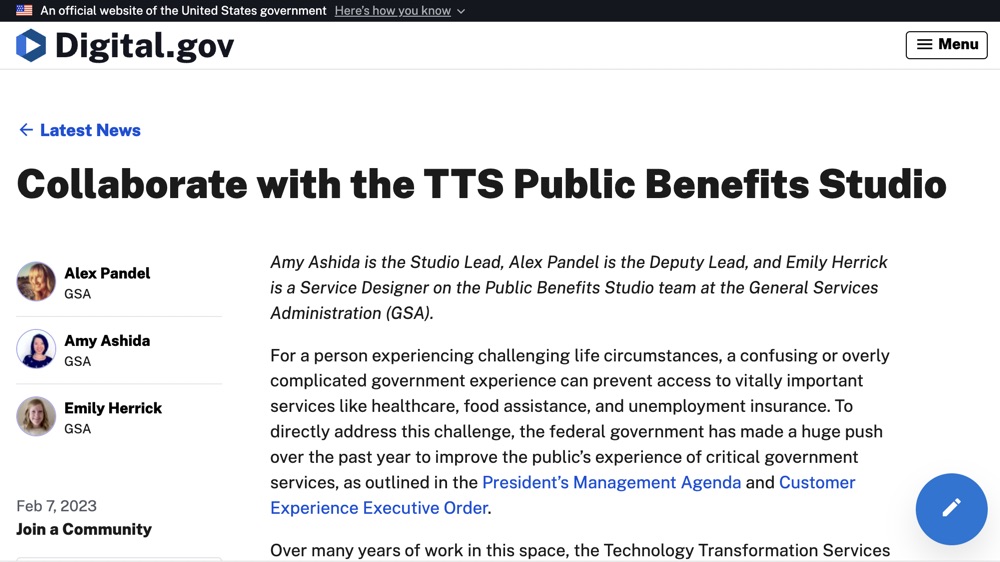
The Technology Transformation Service at GSA recently created a new Public Benefits Studio to focus on fostering a more cohesive, coordinated experience for the public, across programs.
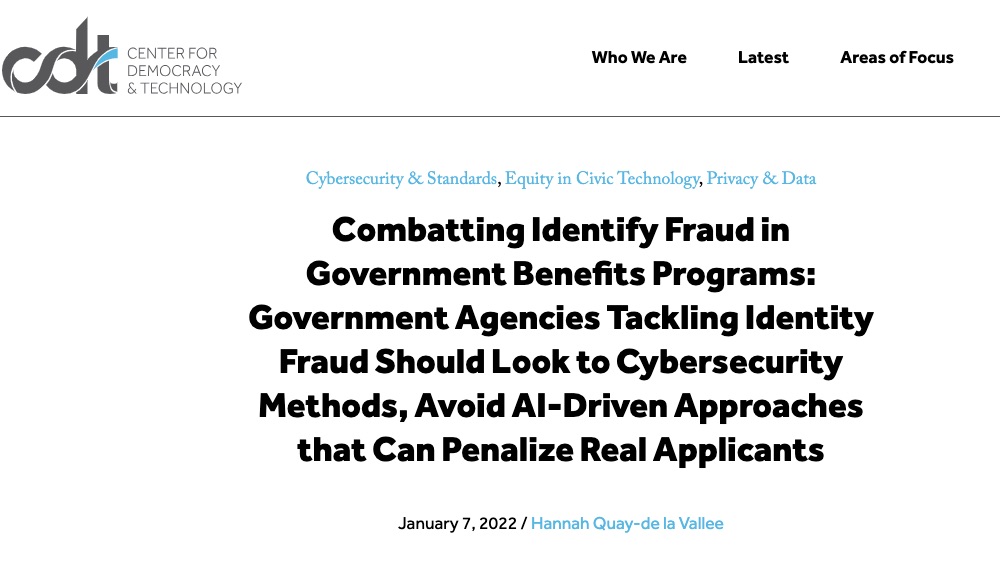
This post argues that for the types of large-scale, organized fraud attacks that many state benefits systems saw during the pandemic, solutions grounded in cybersecurity methods may be far more effective than creating or adopting automated systems.
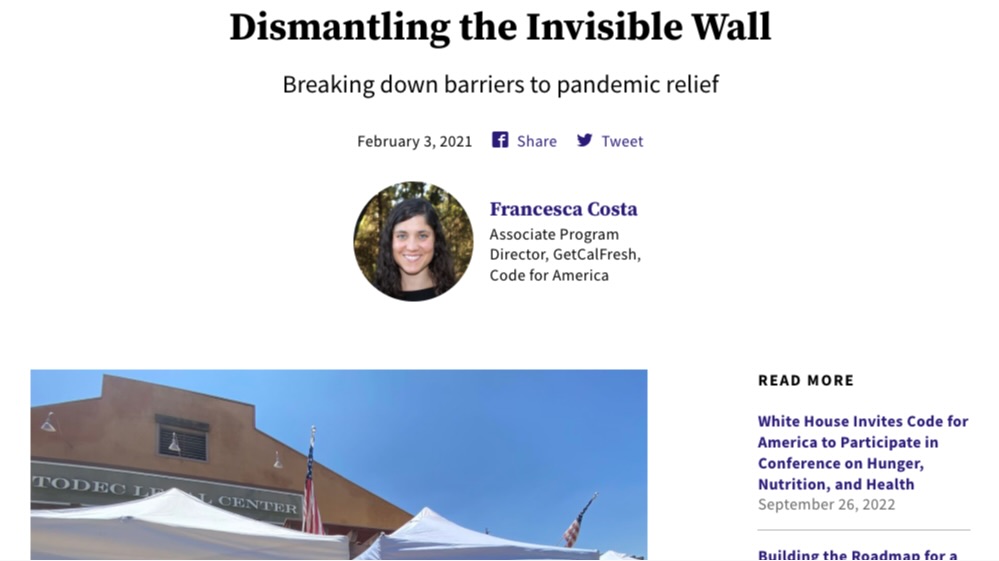
This article details California's Disaster Relief Assistance for Immigrants (DRAI) program, which provided $500 in cash aid to undocumented adults affected by the COVID-19 pandemic, highlighting the collaborative efforts between the state, community-based organizations (CBOs), and Code for America to distribute $75 million to 150,000 individuals.
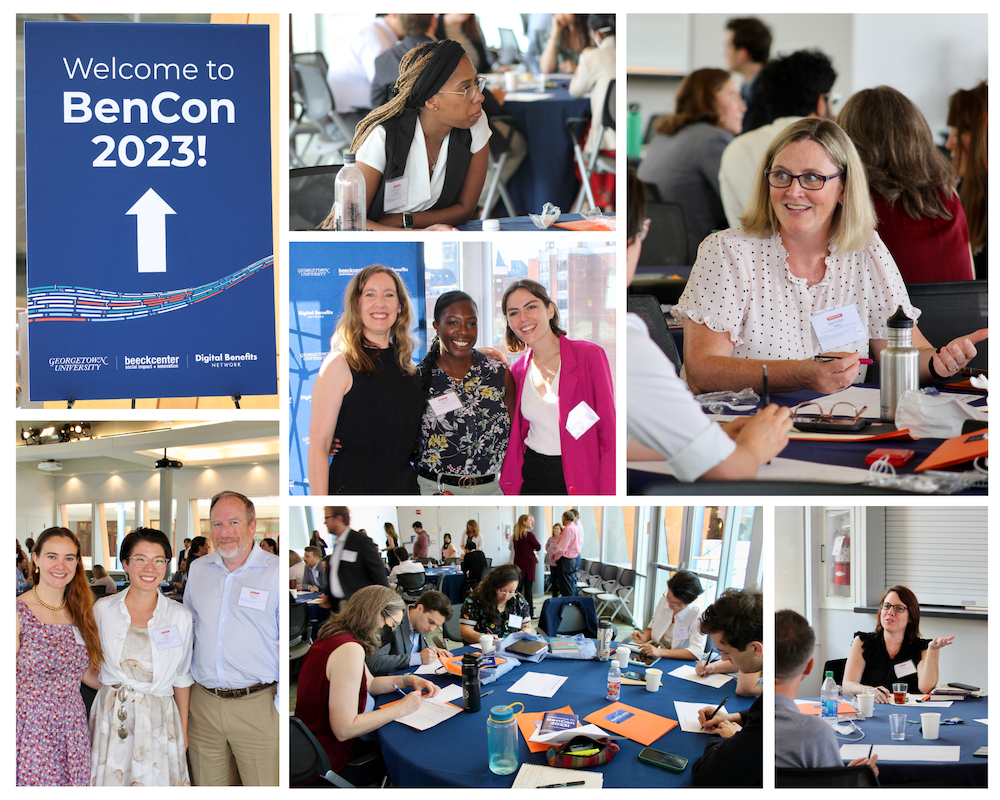
The article discusses key takeaways from BenCon 2023, highlighting the importance of creating equitable and ethical public benefits technology. It emphasizes the need for tech solutions that address systemic inequalities, ensure accessibility, and promote inclusivity for underserved communities in accessing public services.
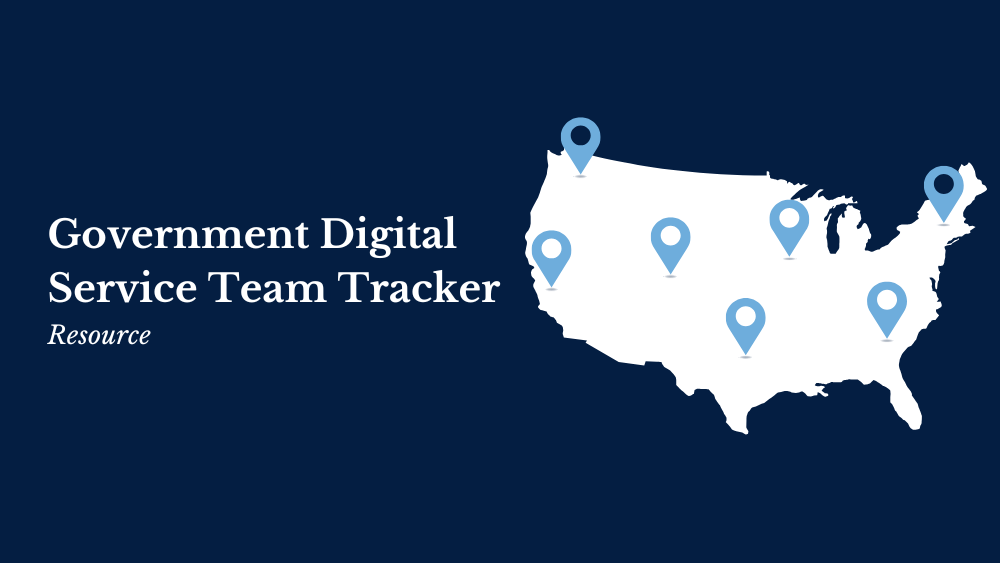
The Beeck Center for Social Impact + Innovation's Digital Service Network (DSN) maintains a Government Digital Service Team Tracker: a living database for those seeking to learn more about the locations, structures, mandates, and more of government digital service teams across the United States.
Millions in government benefits go unclaimed annually due to complex applications and lack of awareness. Simplifying processes, targeted outreach, and streamlined support can increase accessibility and ensure eligible individuals receive assistance.
Governor Kathy Hochul announced a new client feedback initiative in partnership with Code for America to improve New York's WIC program by implementing live online chat to gather input from participants, streamline enrollment, and increase access to healthy food for eligible families.
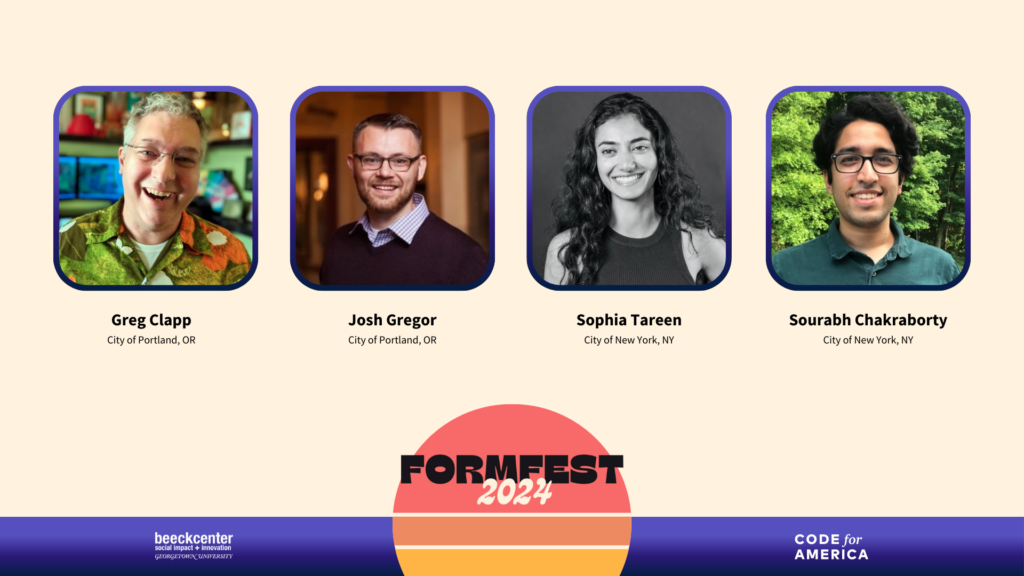
A profile on FormFest speakers Greg Clapp, Josh Gregor, Sophia Tareen, Sourabh Chakraborty, featuring stories about their motivations for working on public sector form innovation.