The Digital Service Network (DSN) recently sat down with the Maryland Family and Medical Leave Insurance (FAMLI) team to learn more about an exciting role they’re hiring for.
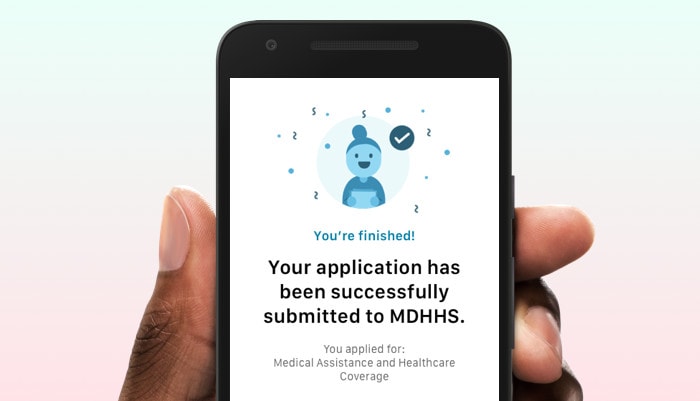
Programs like Medicaid and SNAP are managed at the federal level, administered at the state level, and often executed at the local level. Because there are so many in-betweens, there is significant duplicated effort, demonstrating the need to simplify eligibility rules to facilitate easier implementation.
APHSA's President and CEO reflects on lessons and opportunities the COVID-19 pandemic highlighted and constructs a national narrative around the moment.
American Public Human Services Association (APHSA)
The ubiquity of mobile devices makes it imperative to build “mobile first” services, i.e. services built with the expectation that they will primarily be accessed on mobile devices. This article also outlines important considerations and suggestions for implementing mobile-first user interfaces.
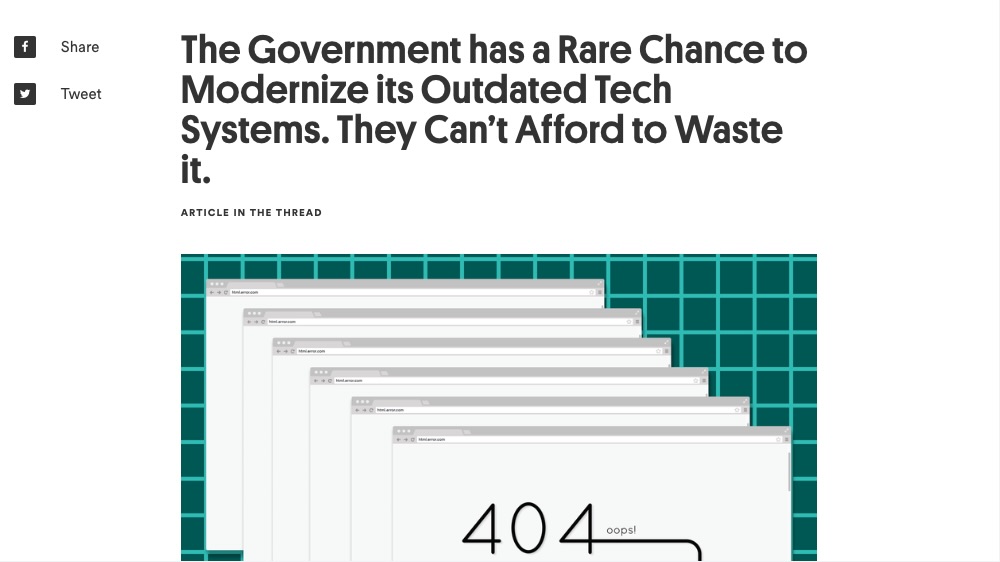
Part of the $1.9 trillion recovery package that Biden signed into law includes a $1 billion grant to the Technology Modernization Fund. The fund’s purpose is to help federal agencies upgrade their cybersecurity and modernize their technology. The TMF is a chance for federal agencies to move toward a responsive model of government, where people quickly and easily access the resources they need.
This article discusses how Code for America enhanced the CalFresh application process to better assist self-employed individuals in accessing their full benefits by clarifying self-employment definitions and simplifying income verification.
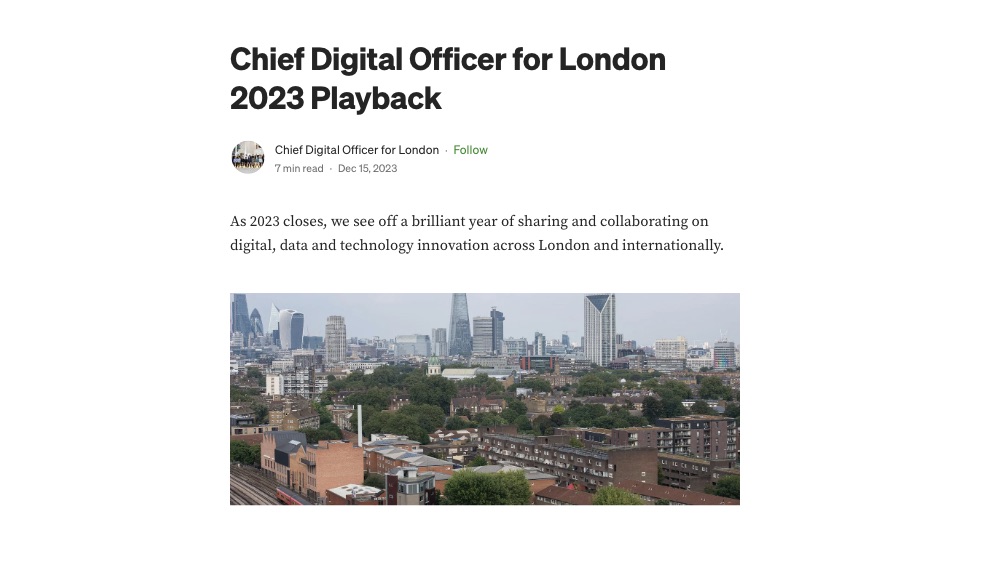
A 2023 playback from the city of London’s Office of Technology and Innovation of recent efforts to improve data and technology innovation across the city.
City of London Office of Technology and Innovation (LOTI)
This report highlights key findings from the Rules as Code Community of Practice, including practitioners' challenges with complex policies, their desire to share knowledge and resources, the need for increased training and support, and a collective interest in developing open standards and a shared code library.
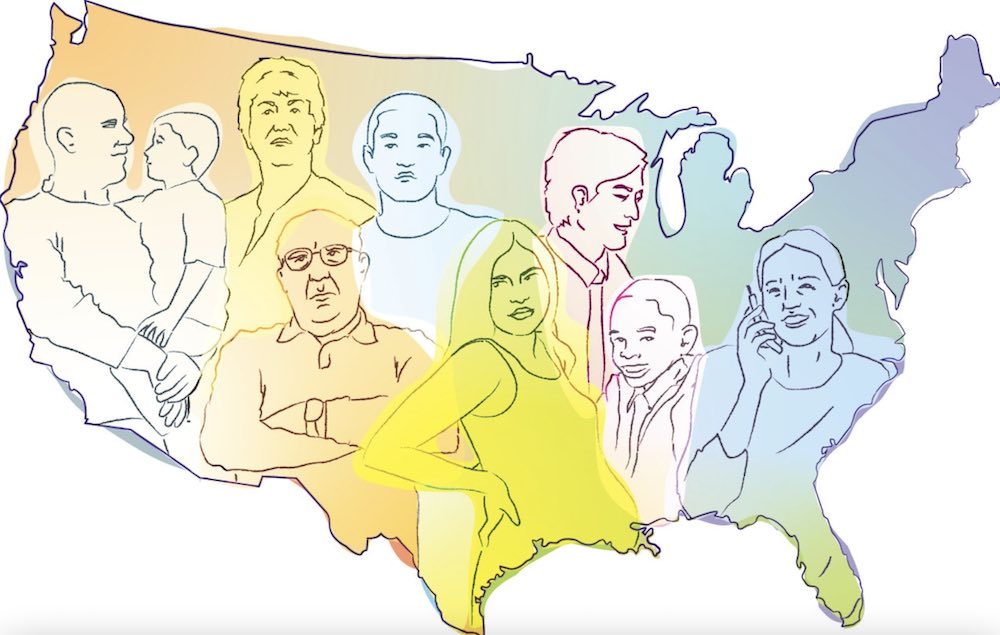
This article discusses Code for America’s research into the user experience of applying or Medicaid, SNAP, TANF, WIC, and LIHEAP in the United States. They found that user experience applying for benefits programs varies greatly by (and often within) each state.