Building on our February 2022 report Benefit Eligibility Rules as Code: Reducing the Gap Between Policy and Service Delivery for the Safety Net, the Beeck Center’s Digital Benefits Network (DBN) hosted Rules as Code Demo Day on June 28, 2022 where there were eight demonstrations of projects and code followed by a collaborative problem solving session on how to continue advancing rules as code for the U.S. social safety net.
This report recommends updating the methodology used by the Census Bureau to calculate the Supplemental Poverty Measure (SPM) to reflect household basic needs and replace the current Official Poverty Measure as the primary statistical measure of poverty. The report assesses the strengths and weaknesses of the SPM and provides recommendations for updating its methodology and expanding its use in recognition of the needs of most American families such as medical care, childcare, and housing costs.
National Academies of Sciences, Engineering, and Medicine
This resource highlights strategies for integrating benefits renewals and correspondence, potentially reducing administrative burdens for both clients and caseworkers.
This page includes data and observations about authentication and identity proofing steps specifically for online applications that include MAGI Medicaid.
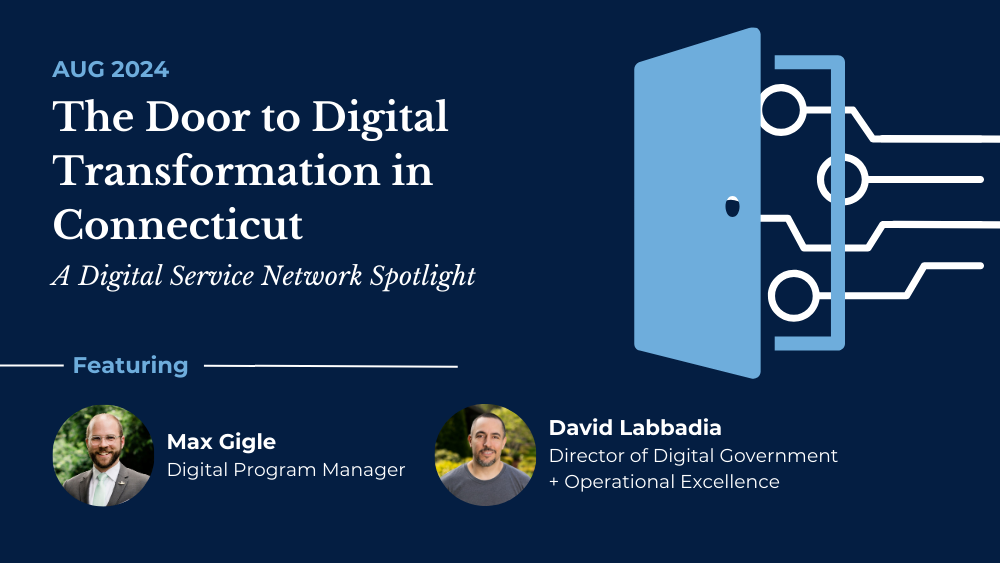
The Digital Services Network (DSN) spoke with Connecticut’s digital program manager, Max Gigle, and Director of Digital Government and Operational Excellence David Labbadia, to learn more about the team’s human-centered approach to developing Business.CT.gov as the first step on the path toward an “all-digital government.”
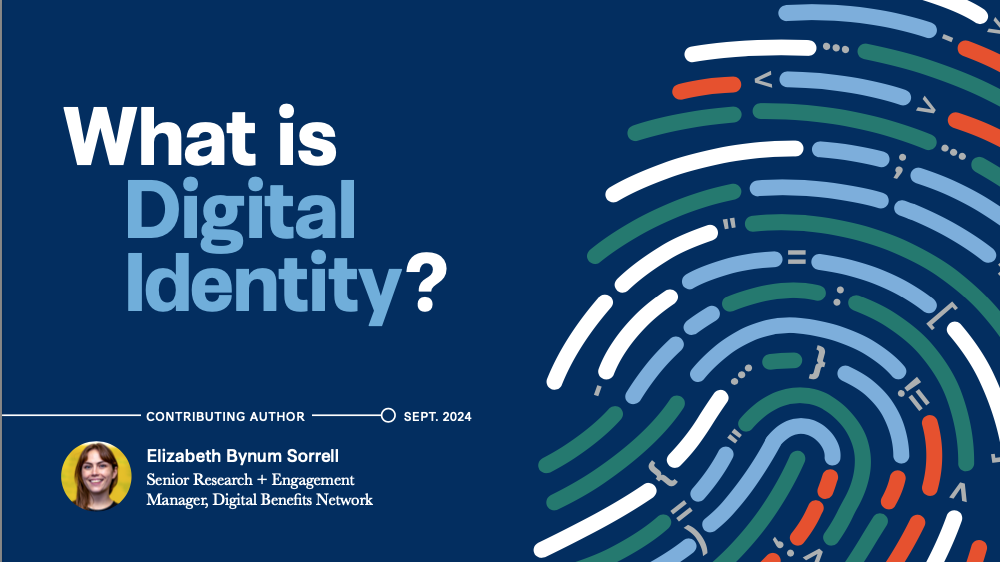
In this updated primer, the DBN introduces the concept of digital identity, and provides brief snapshots of digital identity-related developments internationally and in the U.S.
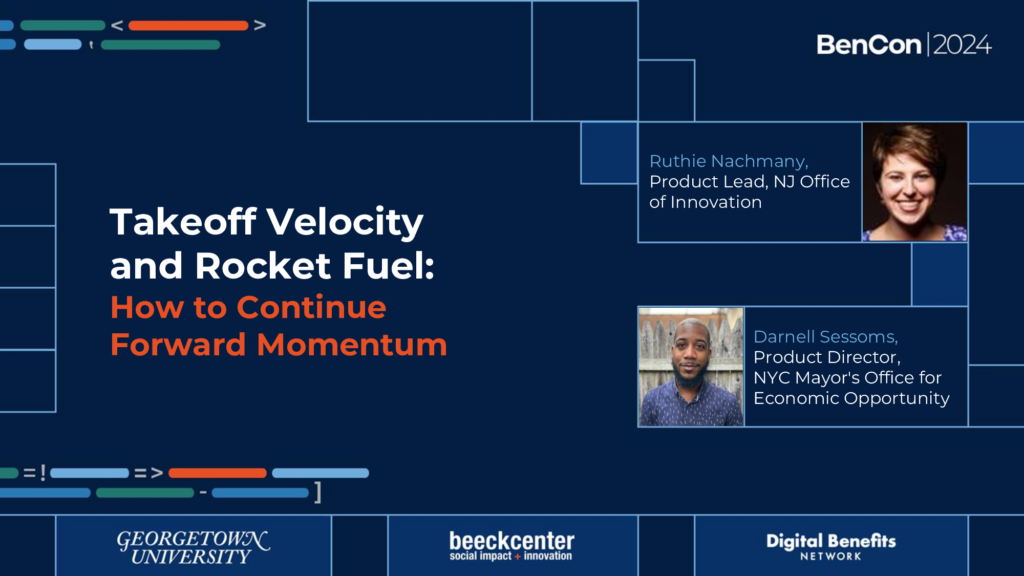
NYC's My File NYC and New Jersey's unemployment insurance system improvements demonstrate how successful digital innovations can be scaled across various programs, leveraging trust-building, open-source technology, and strategic partnerships.