A report examining how risk assessment tools are used to improve payment accuracy in nutrition assistance programs and identifying effective practices for their design and implementation.
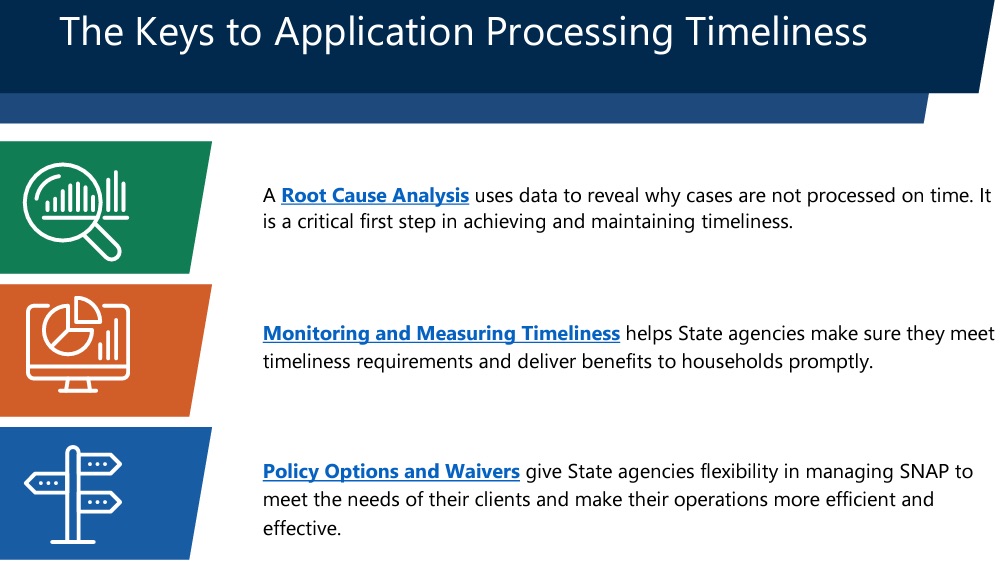
This guide outlines key strategies, definitions, and procedures for improving SNAP payment accuracy and reducing quality control (QC) error rates across states.
This report summarizes 19 SNAP policy options (in effect as of Oct. 1, 2023) and waivers (implemented as of July 1, 2023) chosen by SNAP state agencies (50 states, the District of Columbia, Guam, and Virgin Islands) in federal fiscal year (FY) 2023.
The study investigates how state agencies administering SNAP comply with Title VI of the Civil Rights Act by providing language access for individuals with limited English proficiency (LEP).
This webinar provides insight on behavioral science concepts and how states can put such ideas into practice to tailor engagement, messaging, and independence planning, as well as promote participation in SNAP E&T programs.
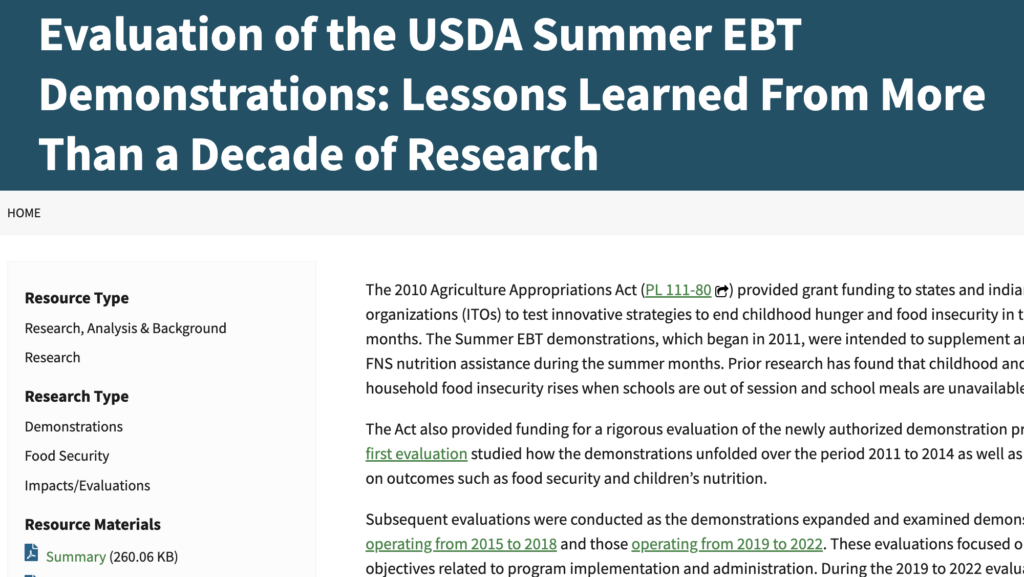
FNS evaluations of Summer EBT programs show significant reductions in childhood food insecurity, but some eligible households do not fully redeem benefits.
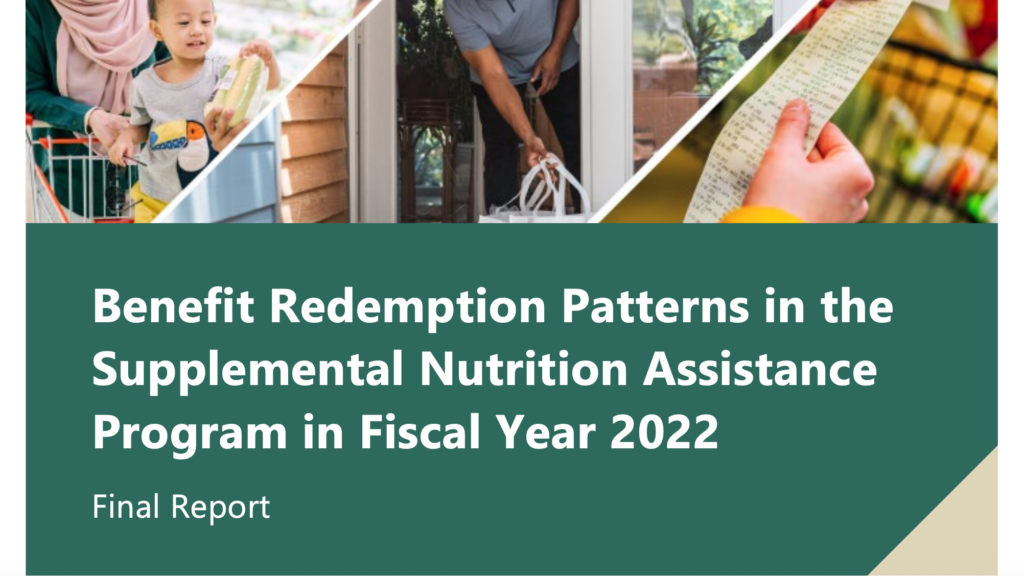
This report analyzes how SNAP households redeemed their benefits in FY 2022, examining transaction frequency, benefit exhaustion timing, store types, online purchasing, and the effects of pandemic-related policy changes.
This report summarizes 21 policy options and waivers across all 53 SNAP State agencies, showing how each implements administrative and eligibility flexibilities permitted under federal law.
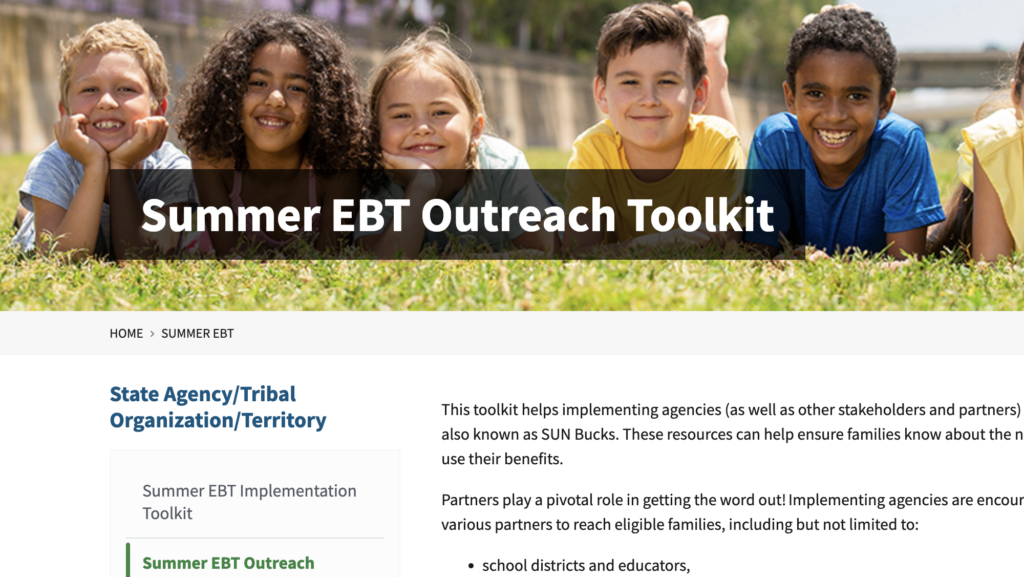
This toolkit provides guidance and resources for state agencies to effectively implement the USDA’s Summer Electronic Benefit Transfer (EBT) program, which helps low-income families buy food during the summer months when school meals are unavailable.