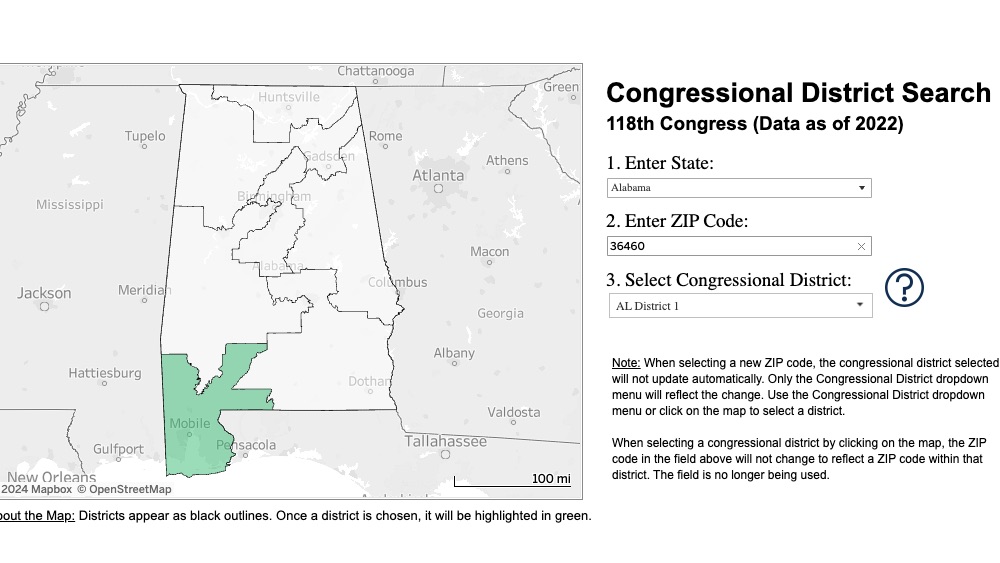
This interactive dashboard allows users to explore Supplemental Nutrition Assistance Program (SNAP) participation and household characteristics by U.S. congressional district using American Community Survey data.
This interim final rule requires SNAP State agencies to provide information to the NAC regarding individuals receiving SNAP benefits in their states in order to ensure they are not already receiving benefits in another state.
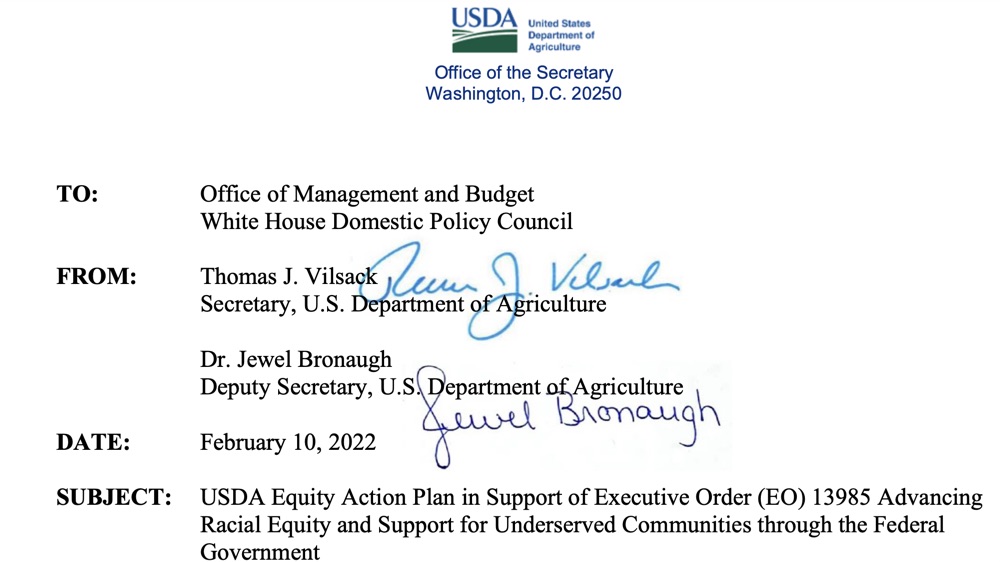
On January 20, 2021, the President issued EO 13985, which established that the Federal Government should pursue a comprehensive approach to advancing equity for all. USDA's Equity Action Plain details a subset of USDA actions to achieve this goal.
An evaluation of the impact of the USDA’s FFRCA waivers on the WIC program during the COVID-19 pandemic, focusing on how temporary flexibilities such as remote certification and relaxed physical presence requirements affected participant access, program operations, and staff capacity.