Building on our February 2022 report Benefit Eligibility Rules as Code: Reducing the Gap Between Policy and Service Delivery for the Safety Net, the Beeck Center’s Digital Benefits Network (DBN) hosted Rules as Code Demo Day on June 28, 2022 where there were eight demonstrations of projects and code followed by a collaborative problem solving session on how to continue advancing rules as code for the U.S. social safety net.
In this webinar, a panel of experts discuss what states can do right now to improve EBT security, how to use data to analyze theft patterns, and how EBT payment technology needs to evolve to ensure efficiency, security, and dignity for beneficiaries.
This report highlights key findings from the Rules as Code Community of Practice, including practitioners' challenges with complex policies, their desire to share knowledge and resources, the need for increased training and support, and a collective interest in developing open standards and a shared code library.
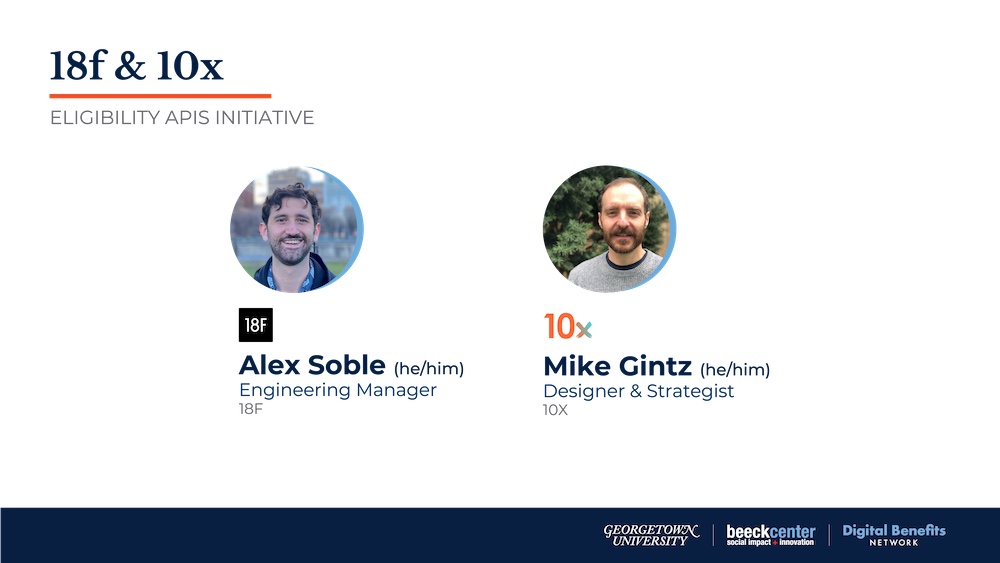
We kicked off Rules as Code Demo Day with Alex Soble of 18F and Mike Gintz of 10x presenting their Eligibility APIs Initiative that explores whether APIs and rules as code might improve the efficiency and effectiveness with which federal public benefits programs communicate their policy to states. They demonstrated their original prototype, and how the open source code has now been extended into several initiatives.
This guide highlights best practices in benefits access, showcasing how Michigan, New York City, and San José improve accessibility through plain language, multilingual translation, resident co-creation, and technology tools.
This resource highlights strategies for integrating benefits renewals and correspondence, potentially reducing administrative burdens for both clients and caseworkers.
This guide provides practical insights for benefits administrators on redesigning benefits systems using human-centered design to ensure all eligible residents can access crucial social safety net resources.
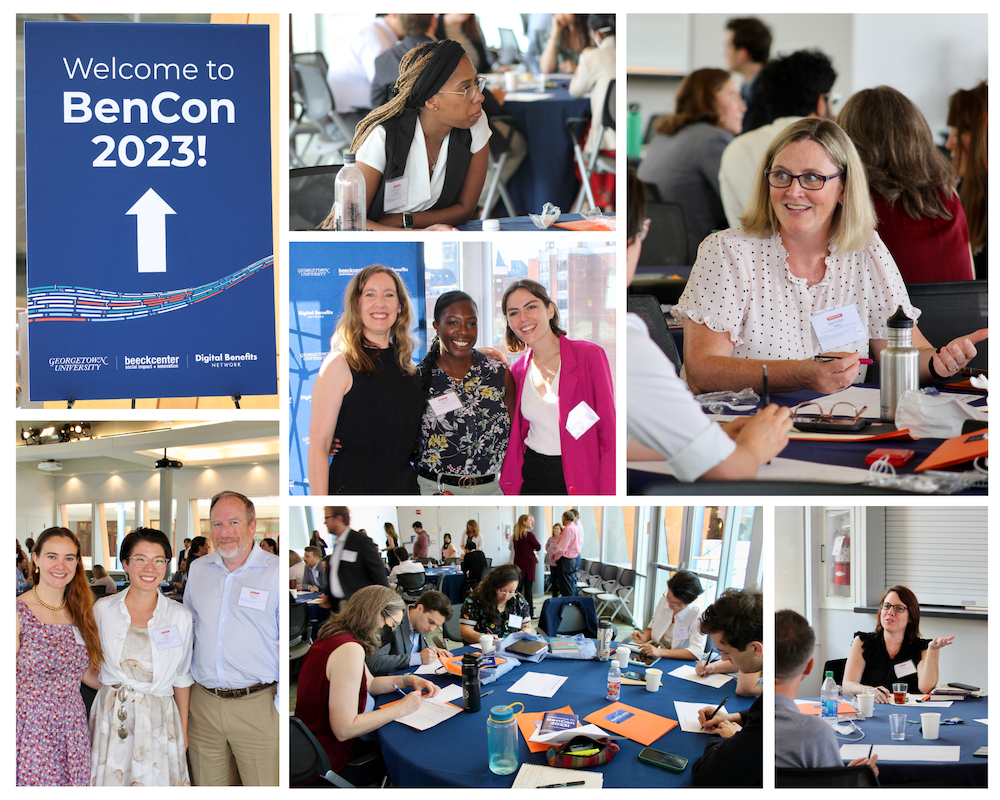
The article discusses key takeaways from BenCon 2023, highlighting the importance of creating equitable and ethical public benefits technology. It emphasizes the need for tech solutions that address systemic inequalities, ensure accessibility, and promote inclusivity for underserved communities in accessing public services.
NYC Opportunity collaborated with the Administration for Child Services (ACS) to design a family-centered process for prevention services, addressing confusion and lack of choice in the current system. By creating tools like the Provider Profile and Family Voice booklet, the team empowered families to choose providers based on their needs while ensuring their feedback reaches ACS. The project aims to improve family experiences and communication with ACS, with plans to expand through testing and future innovations like a web portal.
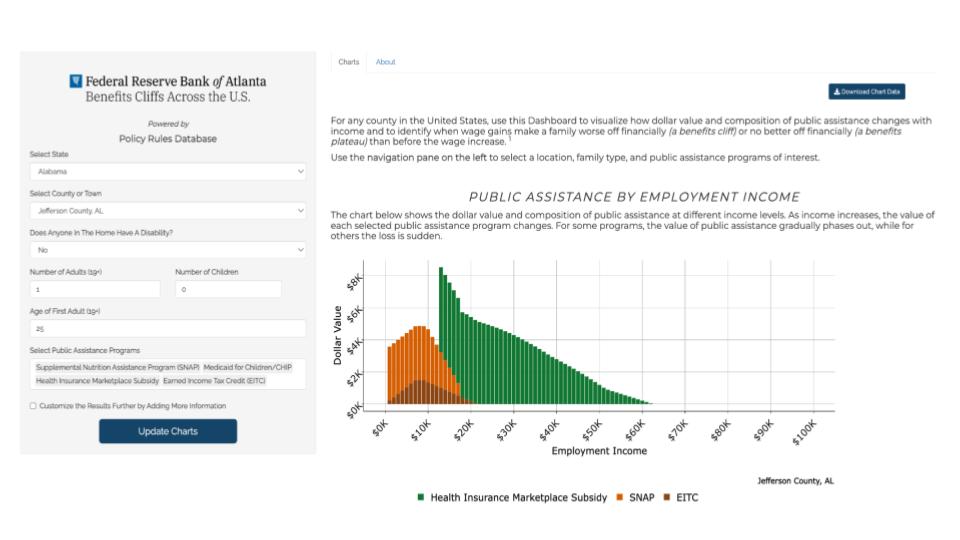
The Policy Rules Database (PRD), developed by the Federal Reserve Bank of Atlanta and the National Center for Children in Poverty, consolidates complex rules for major U.S. federal and state benefit programs and tax policies into a standardized, easy-to-use format. This database allows researchers to model public assistance impacts, simulate policy changes, and analyze benefits cliffs across various household scenarios using common rules and language across different programming platforms.