This blog introduces the GSA’s Public Benefits Studio, which partnered with agencies to build shared tools—starting with a multi-channel notifications service—to improve coordination and access across federal public benefits programs.
This report details the Department of Homeland Security’s progress in modernizing its digital services and websites to improve accessibility, usability, and customer experience, as mandated by federal law.
The blog post emphasizes advancements in digital services, user engagement, and inter-agency collaborations that enhanced public access to government services.
This action plan outlines Oregon’s strategic approach to adopting AI in state government, emphasizing ethical use, privacy, transparency, and workforce readiness.
This internal glossary defines key terms and concepts related to automating enrollment proofs for public benefits programs to support shared understanding among product and policy teams.
An economic analysis estimating how recipients of emergency SNAP benefits during the pandemic allocated additional funds, primarily to food consumption.
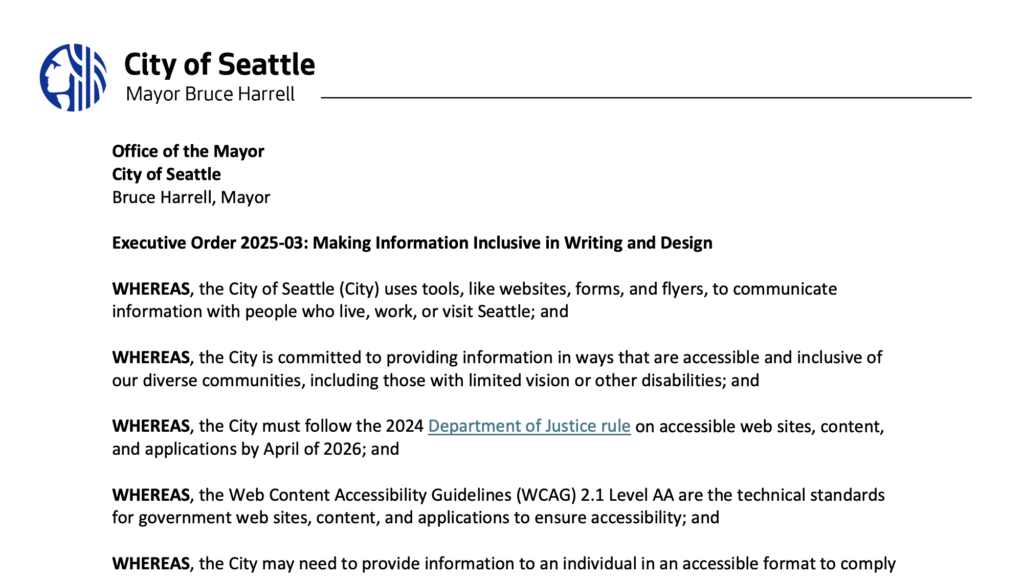
This Executive Order mandates citywide actions to make government information more inclusive, accessible, and understandable through digital accessibility and plain language initiatives.
Outlines recommendations from the U.S. House of Representatives for the responsible adoption, governance, and oversight of artificial intelligence technologies across state agencies.
Bipartisan House Task Force on Artificial Intelligence
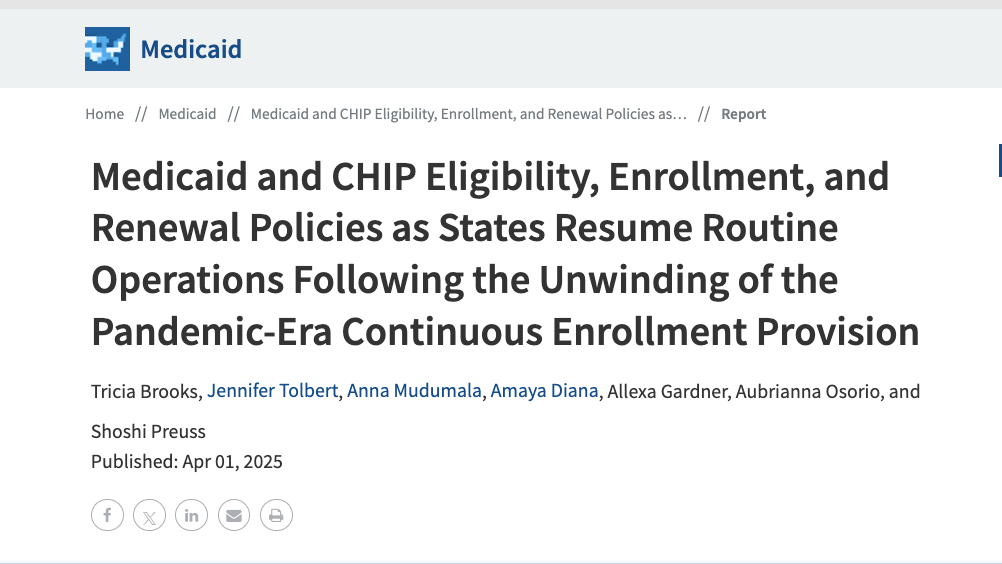
This report provides an early 2025 snapshot of state Medicaid and CHIP policies as they return to normal operations post‑pandemic, focusing on eligibility, enrollment, and renewal processes.