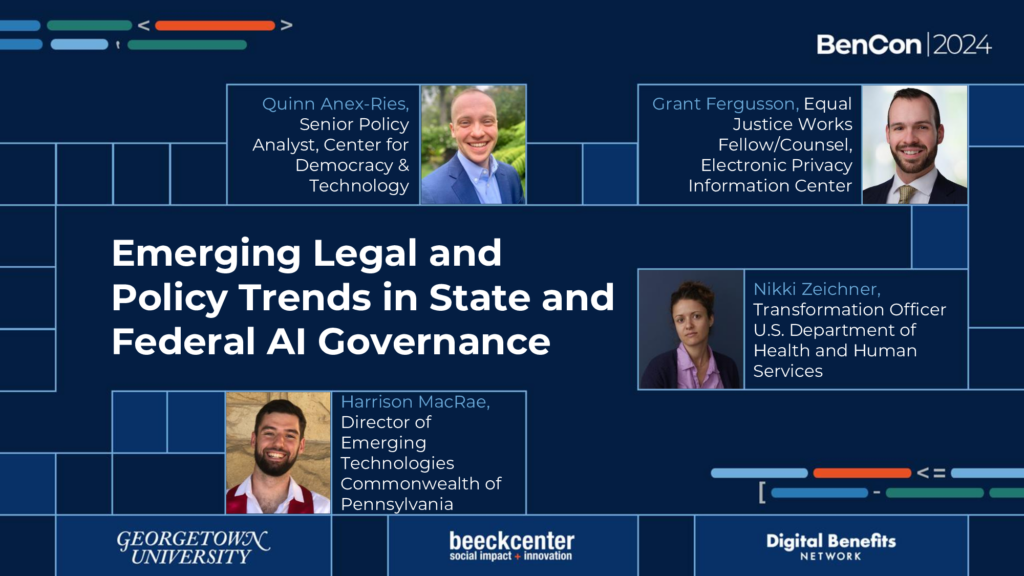
BenCon 2024 explored state and federal AI governance, highlighting the rapid increase in AI-related legislation and executive orders. Panelists emphasized the importance of experimentation, learning, and collaboration between government levels, teams, agencies, and external partners.
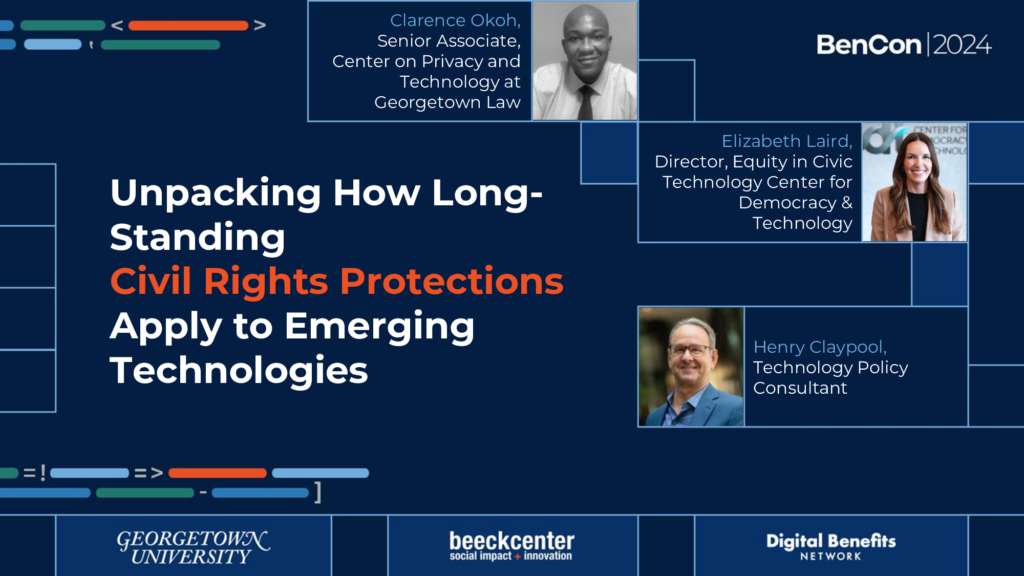
A panel of experts discuss the application of civil rights protections to emerging AI technologies, highlighting potential harms, the need for inclusive teams, and the importance of avoiding technology-centric solutions to social problems.
This article explores how AI and Rules as Code are turning law into automated systems, including how governance focused on transparency, explainability, and risk management can ensure these digital legal frameworks stay reliable and fair.
Presentation covering the findings of a research study analyzing the structural and budgetary layout of of eleven US-based Digital Service Teams (DSTs) at the municipal, county, and state levels.
The Policy2Code Prototyping Challenge explored utilizing generative AI technology to translate U.S. government policies for public benefits into plain language and code, culminating in a Demo Day where twelve teams showcased their projects for feedback and evaluation.
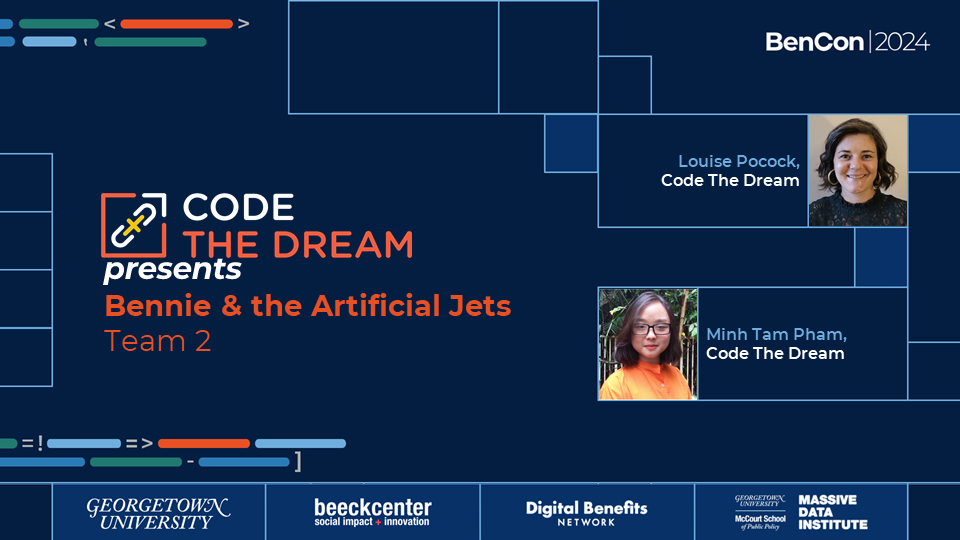
The team introduced an AI assistant for benefits navigators to streamline the process and improve outcomes by quickly assessing client eligibility for benefits programs.
Governor Kathy Hochul announced a new client feedback initiative in partnership with Code for America to improve New York's WIC program by implementing live online chat to gather input from participants, streamline enrollment, and increase access to healthy food for eligible families.
A profile on FormFest speakers Sarah Rodriguez, Emily Lippolis, and Verenice Ramirez, featuring stories about their motivations for working on public sector form innovation.
This guidance provides detail on activities to be conducted by designated High-Impact Service Providers (HISPs) under the Executive Order on Customer Experience.
This session from FormFest 2024 features Arizona’s form improvement capacity building initiative and Massachusetts’ form improvements that were a result of the Delivering a Digital-First Public Experience act.
The report evaluates the feasibility, costs, taxpayer interest, and operational challenges of implementing an IRS-run free direct e-file tax return system, as required by the Inflation Reduction Act.