In this report, the U.S. Chamber of Commerce Foundation examines benefits cliffs – the loss of eligibility for public safety-net programs and benefits they provide as income rises above eligibility limits.
The Seattle.gov website's new Assistance and Discounts page centralizes information on city benefits and services, offering a user-friendly and consistent experience across 7,000 pages.
These principles and best practices for AI developers and employers to center the well-being of workers in the development and deployment of AI in the workplace and to value workers as the essential resources they are.
Testing (and re-testing) your designs with users will help you build the best possible product. Our Validate Methods cover varied testing scenarios and potential user groups.
In this panel conversation from Better Identity Coalition’s 2022 policy forum “Identity, Authentication, and the Road Ahead” presenters from the General Services Administration, the Transportation Security Administration, the Consumer First Coalition, and the congressional branch, discuss government’s role in digital identity.
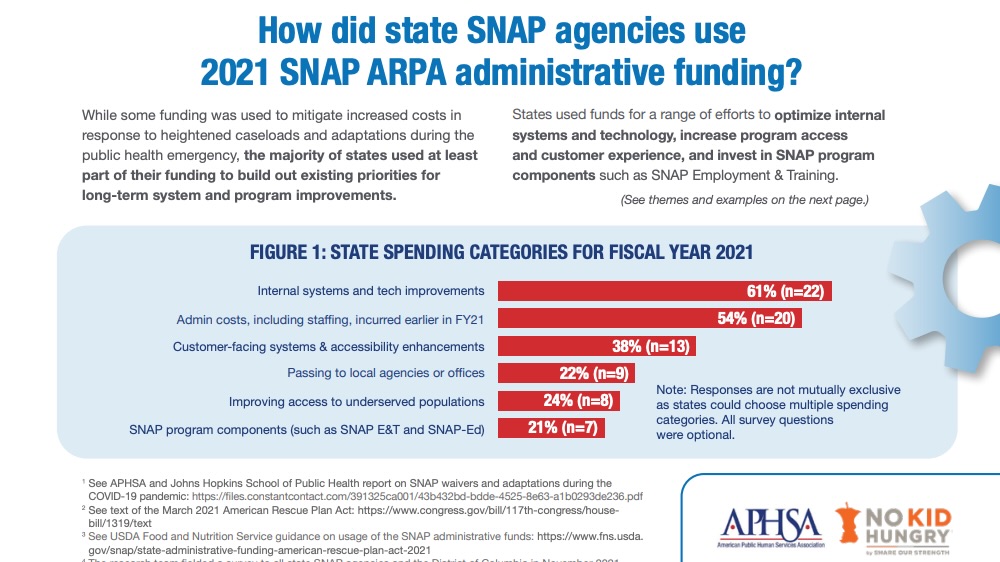
This brief shares findings from a November 2021 survey of state SNAP agencies about their use of the SNAP ARPA funds in fiscal year 2021, and their initial planned activities for fiscal year 2022 and 2023.
American Public Human Services Association (APHSA)
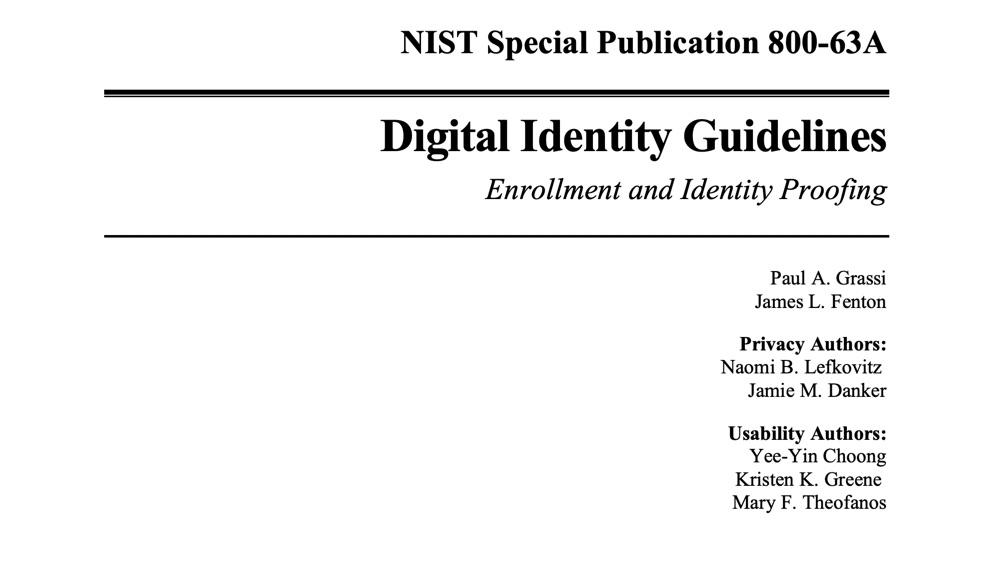
These guidelines provide technical requirements for federal agencies implementing digital identity services and are not intended to constrain the development or use of standards outside of this purpose. This guideline focuses on the enrollment and verification of an identity for use in digital authentication.
National Institute of Standards and Technology (NIST)
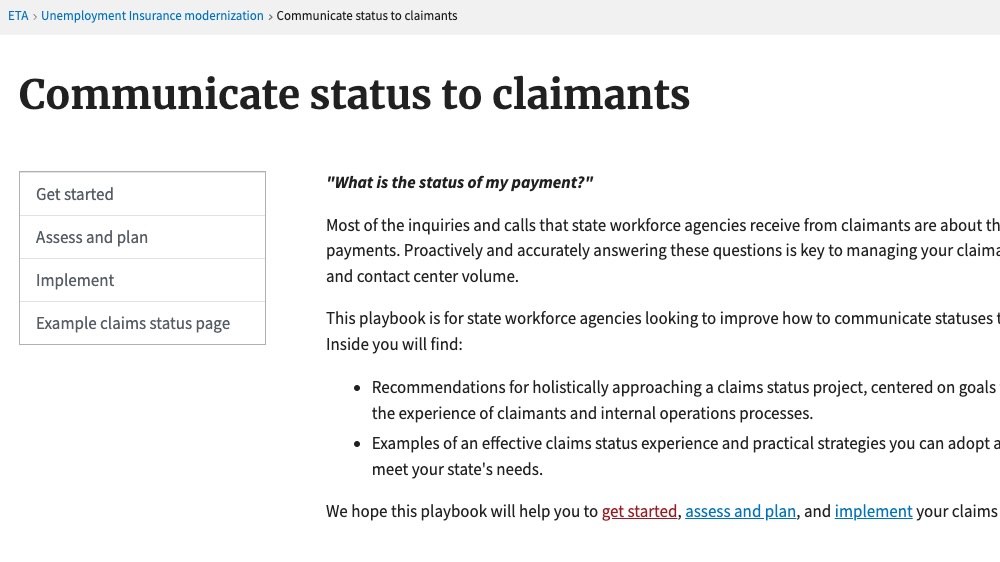
The U.S. Department of Labor provides a playbook to help state workforce agencies enhance communication with unemployment claimants by offering clear, proactive updates on claim statuses, thereby improving claimant satisfaction and reducing call center inquiries.
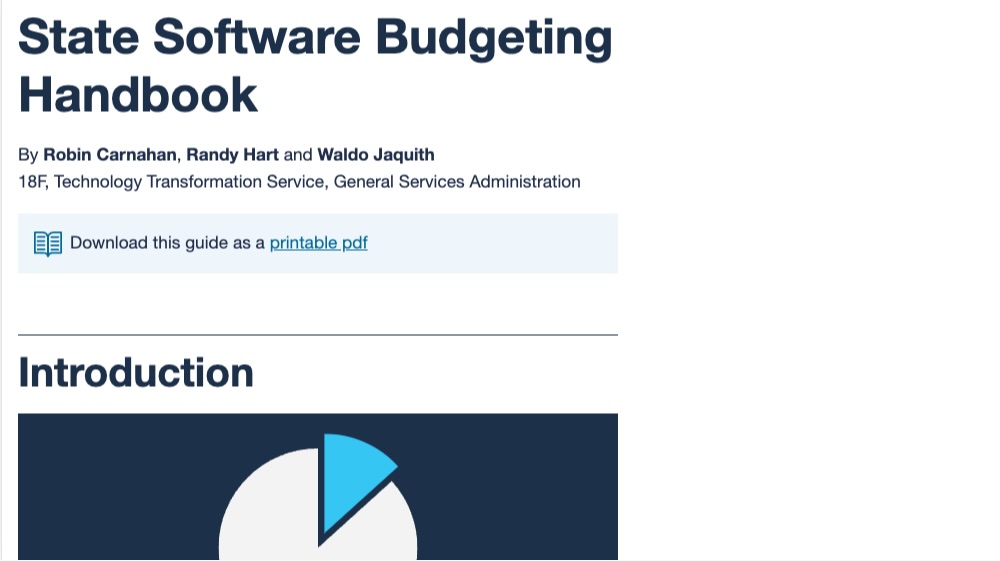
Handbook by 18F designed for executives, budget specialists, legislators, and other “non-technical” decision-makers who fund or oversee state government technology projects that receive federal funding and implement the necessary technology to support federal programs. It aids in setting projects up for success by asking the right questions, identifying the right outcomes, and equally important, empowering decision-makers with a basic knowledge of the fundamental principles of modern software design.
This article explores innovative strategies to improve access to public benefits by reducing administrative barriers and leveraging technology for a more user-friendly experience.
The experience of the COVID-19 pandemic and its induced recession underscored the crucial importance of unemployment insurance (UI) to workers, and to the stability of the American economy. Temporary federal expansions of unemployment systems during the pandemic showed how they can quickly be scaled to increase benefit levels and to include categories of workers who were not previously eligible, such as the self-employed, caregivers, and low-wage workers. And, states showed that separate programs can be set up to provide similar benefits to workers who are explicitly excluded from unemployment insurance—in particular immigrants who do not have a documented immigration status.