Clearing applicant backlogs is an important solution to the UI crisis. State governments and federal agencies could facilitate access to public benefits by collaborating to develop interoperable technology platforms that use open source software and modular design. Panelists discuss opportunities to prevent future UI crises by reimagining how governments deliver benefits to their citizens.
This resource is a research paper examining the role of the public safety net in insuring job losers against income loss, analyzing which government programs provide financial support and how benefits vary based on pre-job loss income levels.
The OECD report explores the concept of "Rules as Code" (RaC), proposing a transformation in government rulemaking by developing machine-consumable regulations alongside human-readable versions.
Organisation for Economic Co-operation and Development (OECD)
This policy blueprint outlines six actionable steps for state governments to improve digital identity infrastructure, focusing on security, equity, innovation, and privacy.
For the past year, modernization teams at the Department of Labor (DOL) have been helping states identify opportunities to automate rote, non-discretionary, manual tasks, with the goal of helping them speed up the time that it takes to process claims. This post provides more context on Robotic Process Automation (RPA) and potential use cases in unemployment insurance.
In this keynote presentation, Carole House, the Director for Cybersecurity and Secure Digital Innovation at the National Security Council discusses cybersecurity and identity management priorities at the federal level.
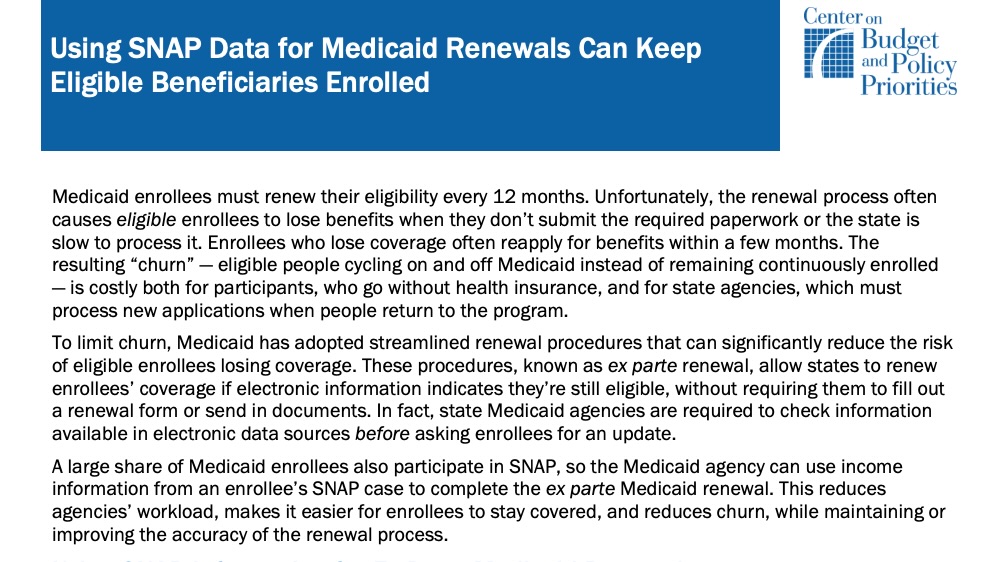
The report discusses how state Medicaid agencies can utilize Supplemental Nutrition Assistance Program (SNAP) data to streamline the Medicaid renewal process, thereby maintaining coverage for eligible beneficiaries.
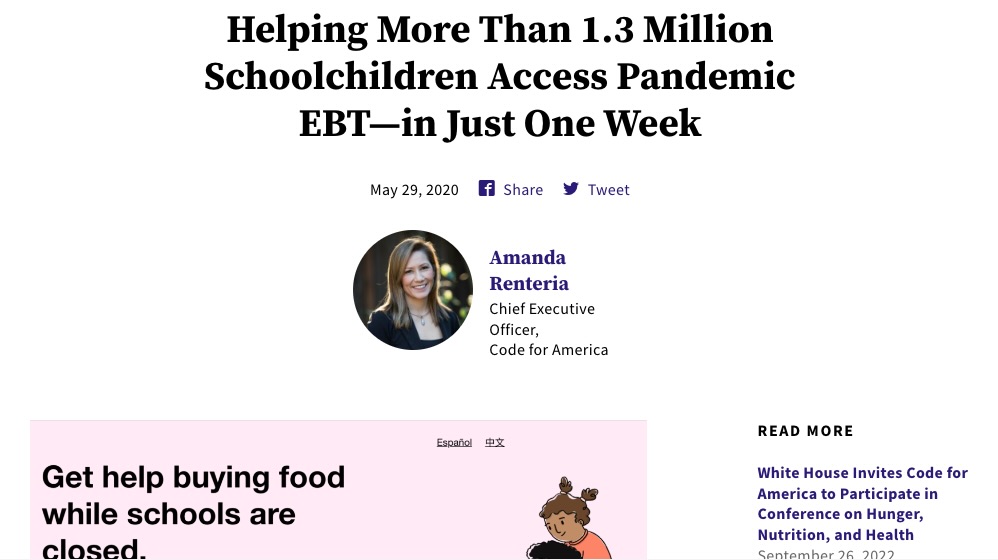
In response to the COVID-19 crisis, the federal government authorized a new emergency program, Pandemic EBT (P-EBT), to replace school meals with money for groceries while schools are closed. Code for America describes its efforts to launch an accessible, online P-EBT application under an accelerated timeline due to to immense demand caused by the pandemic.
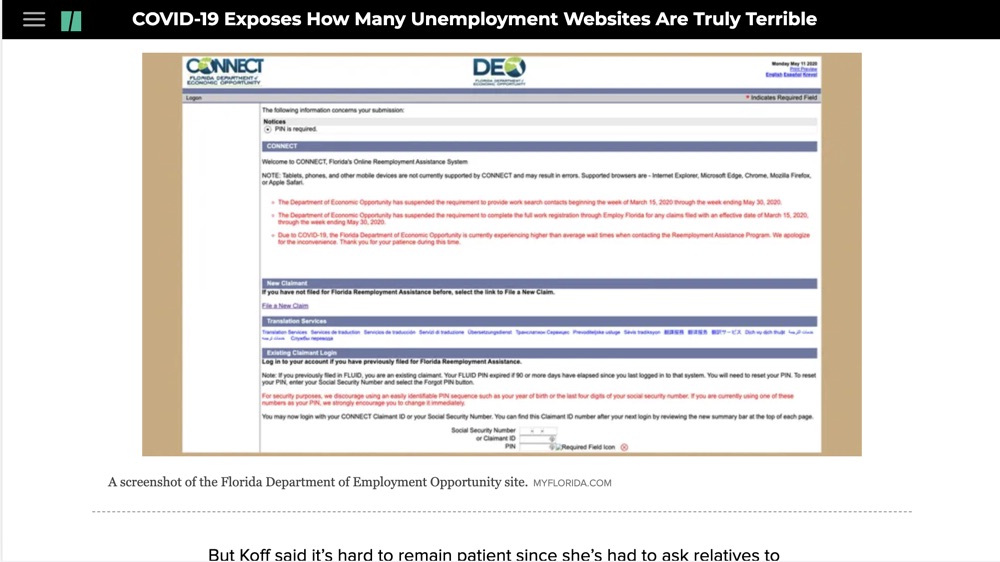
This HuffPost article investigates the widespread failures of state unemployment websites during the COVID-19 pandemic, highlighting outdated technology, accessibility issues, and the human impact of these systemic breakdowns.
Tangible tools, scoring guides and strategies to embed equity and wellbeing into your procurement process. Designed for human services with opportunities to apply these principles to other fields.
The Urban Institute's report outlines actionable approaches for state governments and organizations to enhance the accessibility and retention of public benefit programs, focusing on service delivery, policy reforms, and technological advancements.