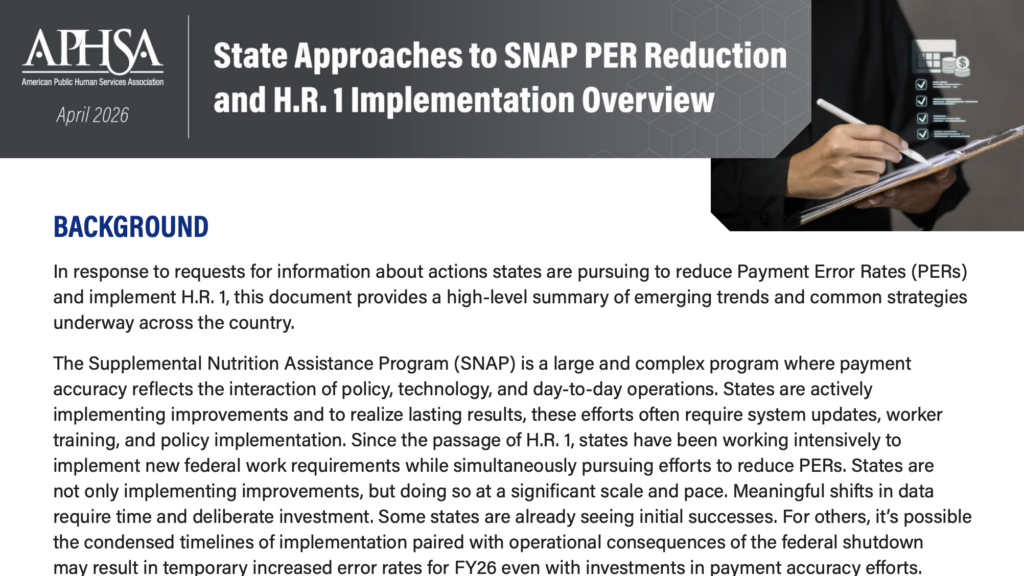
A resource outlining state approaches to reducing payment error rates (PER) in SNAP and implementing new federal work requirements and other changes under H.R. 1.
American Public Human Services Association (APHSA)
A critical landscape report examining how the AI industry concentrates corporate power, reshapes public institutions, and advances economic and political interests that undermine democracy, labor, and shared prosperity.
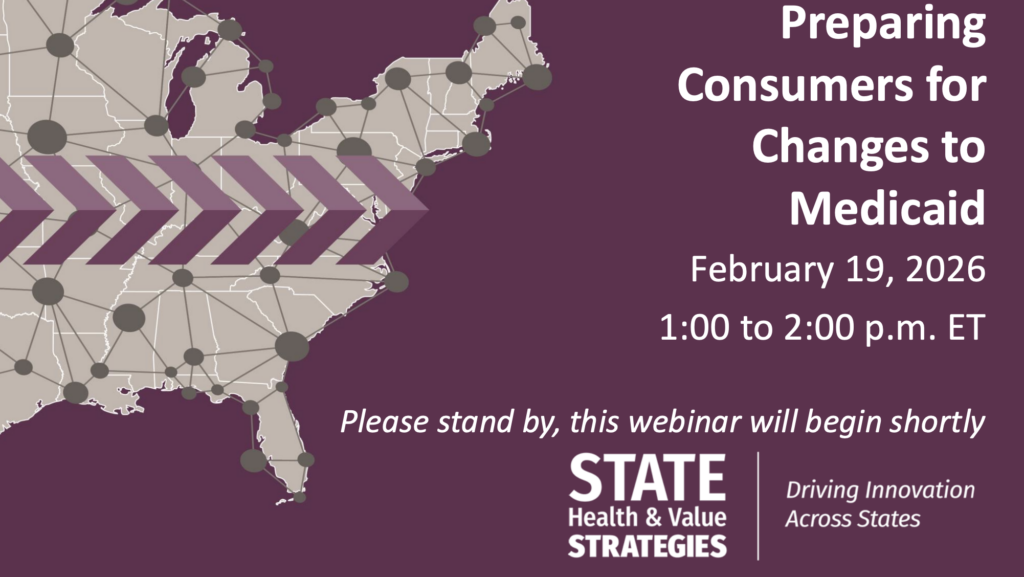
This webinar presentation outlines the essential communication requirements and outreach standards for states preparing for Medicaid work reporting mandates starting in 2027.
With a federal accessibility deadline approaching, the Beeck Center convened government leaders to turn compliance pressure into lasting digital inclusion.
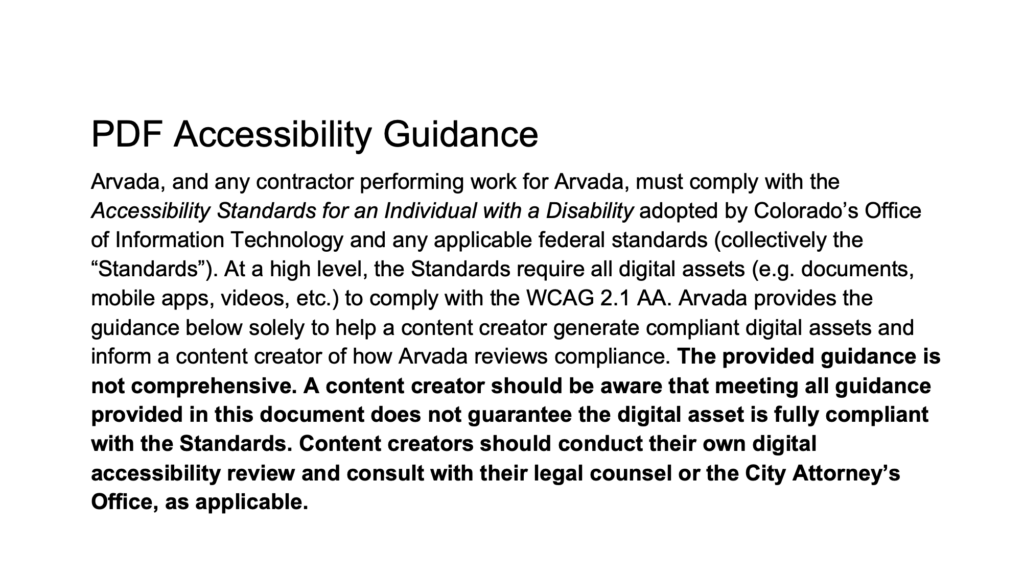
This guidance document outlines how to create and review accessible PDFs to help ensure compliance with WCAG 2.1 AA and other digital accessibility standards.
This brief synthesizes the manner in which the political and social service environments affect the intergenerational stability of non-citizen families, offering insights into programmatic supports.
American Public Human Services Association (APHSA)
A practical toolkit that helps human services agencies coordinate programs and benefits to better support whole families through aligned policies, processes, and service delivery.