Through analyzing hundreds of research studies and surveying thousands of Americans this report identifies 28 life experiences that drive lifetime income, called mobility experiences.
This Urban Institute report highlights how immigrant and mixed-status families continued to avoid safety net programs in 2023 due to lingering fears around the public charge rule.
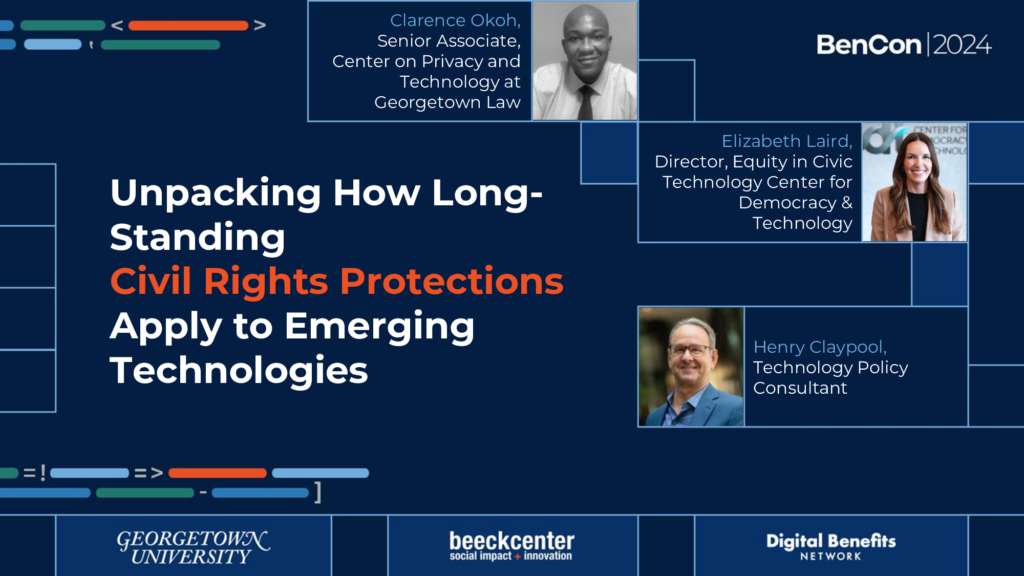
A panel of experts discuss the application of civil rights protections to emerging AI technologies, highlighting potential harms, the need for inclusive teams, and the importance of avoiding technology-centric solutions to social problems.
Presentation covering the findings of a research study analyzing the structural and budgetary layout of of eleven US-based Digital Service Teams (DSTs) at the municipal, county, and state levels.
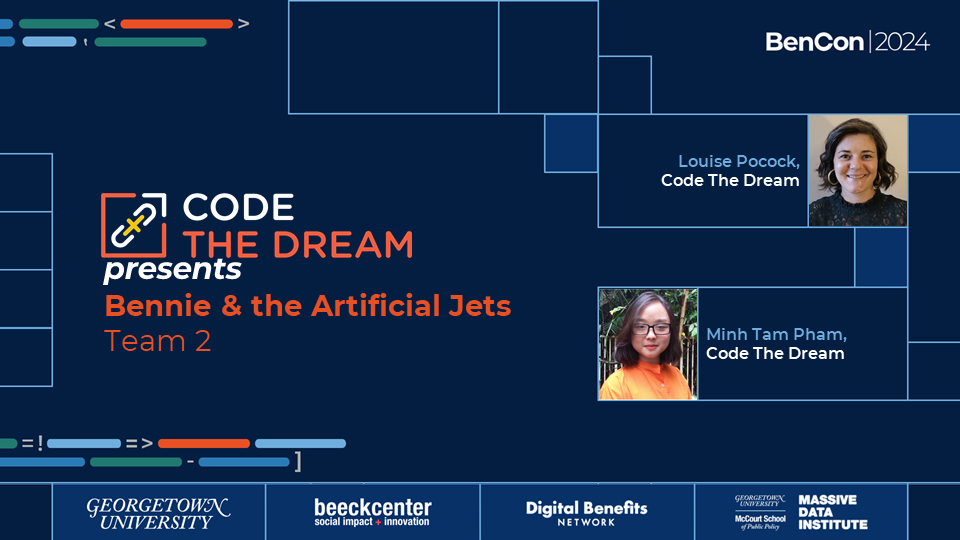
The team introduced an AI assistant for benefits navigators to streamline the process and improve outcomes by quickly assessing client eligibility for benefits programs.
Governor Kathy Hochul announced a new client feedback initiative in partnership with Code for America to improve New York's WIC program by implementing live online chat to gather input from participants, streamline enrollment, and increase access to healthy food for eligible families.
The article examines the effects of Arkansas’s Medicaid work requirements, finding substantial coverage losses and no significant increase in employment, compounded by widespread confusion among beneficiaries about the policy.
This study explores the causal impacts of income on a rich array of employment outcomes, leveraging an experiment in which 1,000 low-income individuals were randomized into receiving $1,000 per month unconditionally for three years, with a control group of 2,000 participants receiving $50/month.
This interview template includes questions designed to help teams conduct exploratory, semi-structured interviews with government stakeholders involved in program delivery to gather information that can help them evaluate the status quo of digital delivery in their organization.