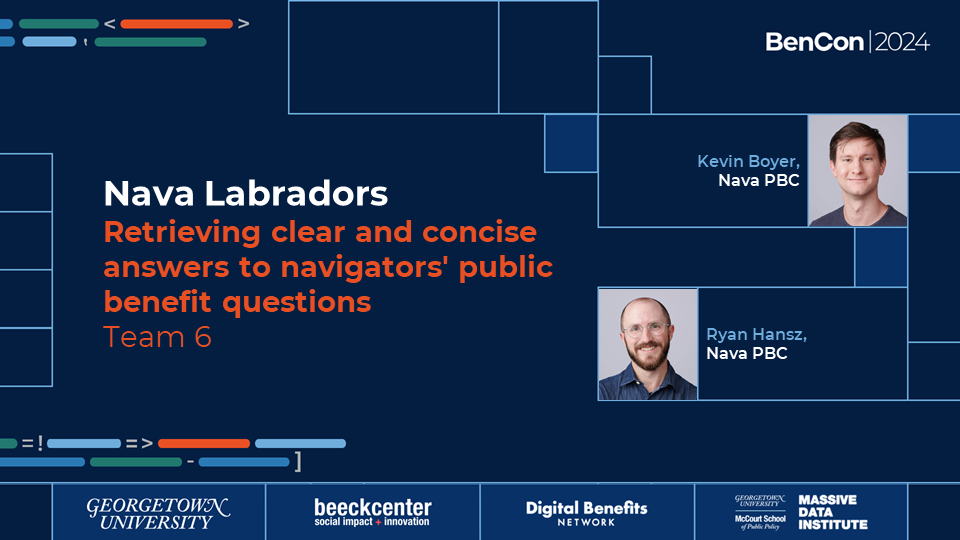
The team developed an AI solution to assist benefit navigators with in-the-moment program information, finding that while LLMs are useful for summarizing and interpreting text, they are not ideal for implementing strict formulas like benefit calculations, but can accelerate the eligibility process by leveraging their strengths in general tasks.
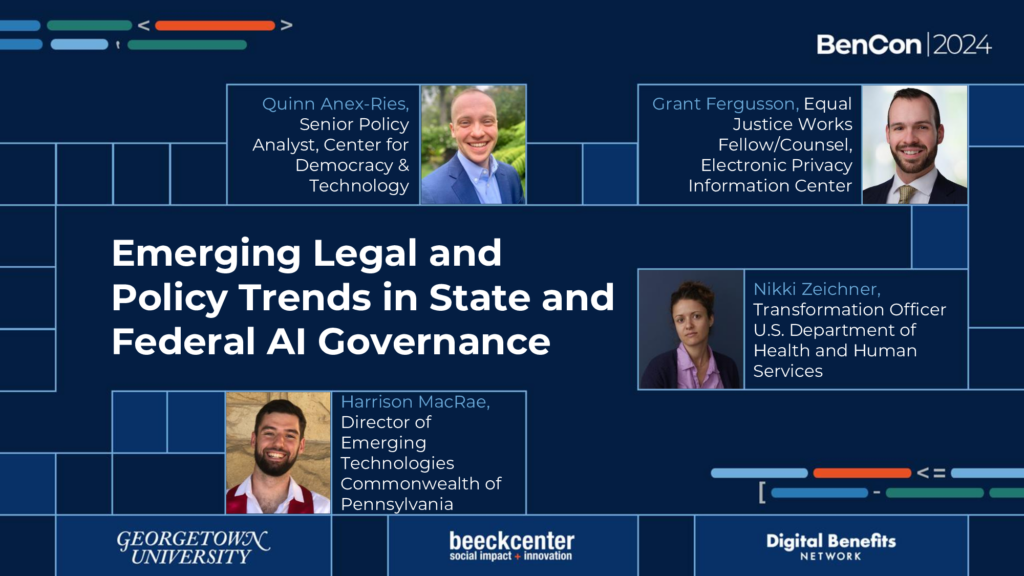
BenCon 2024 explored state and federal AI governance, highlighting the rapid increase in AI-related legislation and executive orders. Panelists emphasized the importance of experimentation, learning, and collaboration between government levels, teams, agencies, and external partners.
The article highlights the federal government's efforts to improve customer experience through collaborative, human-centered approaches and lessons on embracing risk, partnerships, and user-focused design.
This blog explores the rise of person-centered insights in policymaking, featuring an overview of its benefits and expert interviews highlighting its crucial role in effectively delivering public benefits and human services.
In this interview, Code for America staff members share how client success, data science, and qualitative research teams work together to consider the responsible deployment of artificial intelligence (AI) in responding to clients who seek assistance with three products.
This page includes data and observations about authentication and identity proofing steps specifically for online applications that include MAGI Medicaid.
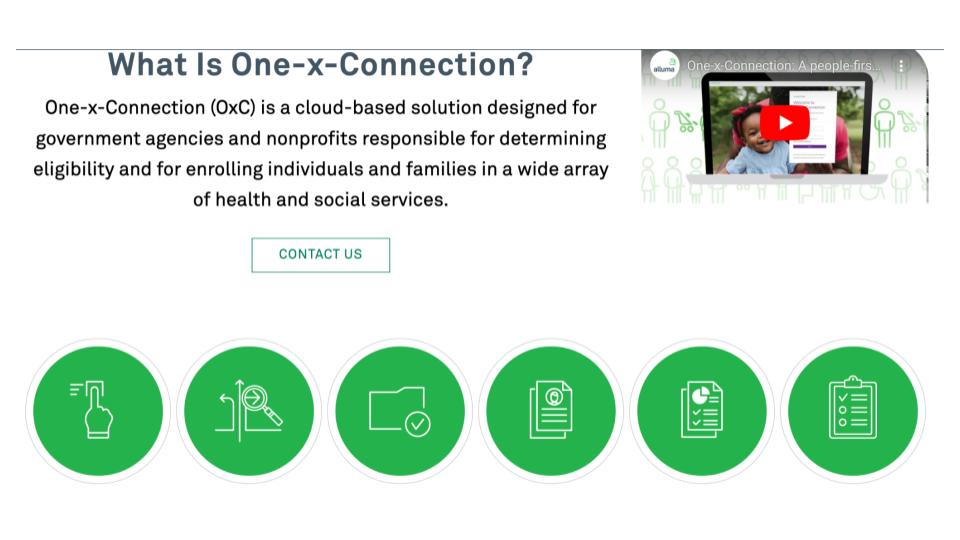
Alluma is a nonprofit that provides digital solutions to simplify eligibility screening and enrollment for social benefit programs, supporting cross-benefit access in 45 counties and two states. Their One-x-Connection product suite streamlines Medicaid and SNAP applications using a business rules engine, with a focus on human-centered design and anonymous, simplified eligibility checks, having helped screen over 10 million individuals and submitted over 67 million applications.
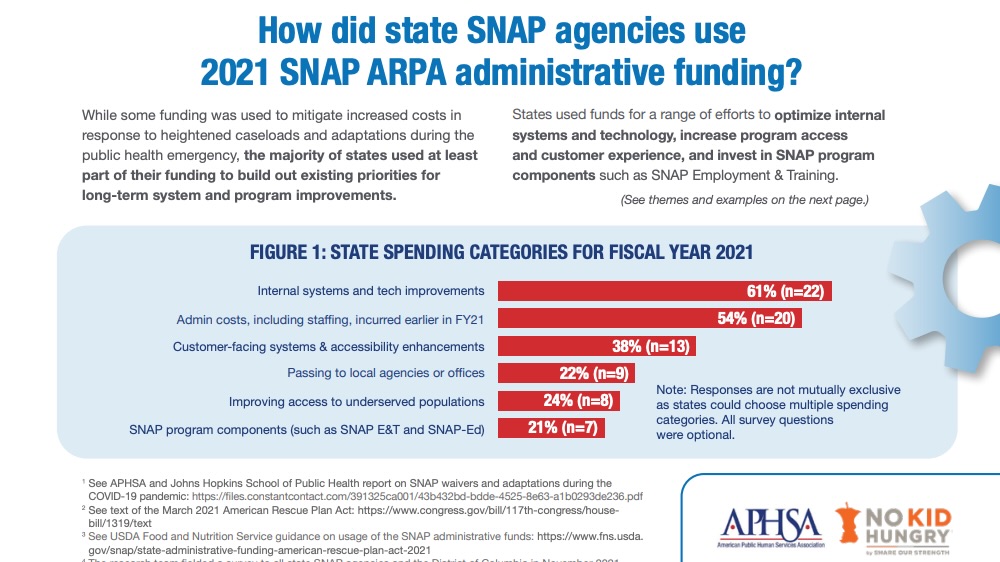
This brief shares findings from a November 2021 survey of state SNAP agencies about their use of the SNAP ARPA funds in fiscal year 2021, and their initial planned activities for fiscal year 2022 and 2023.
American Public Human Services Association (APHSA)
This guide is intended to provide a general overview of the national statutory and regulatory landscape governing the legality of sending large volumes of text messages and sharing client information.