With a federal accessibility deadline approaching, the Beeck Center convened government leaders to turn compliance pressure into lasting digital inclusion.
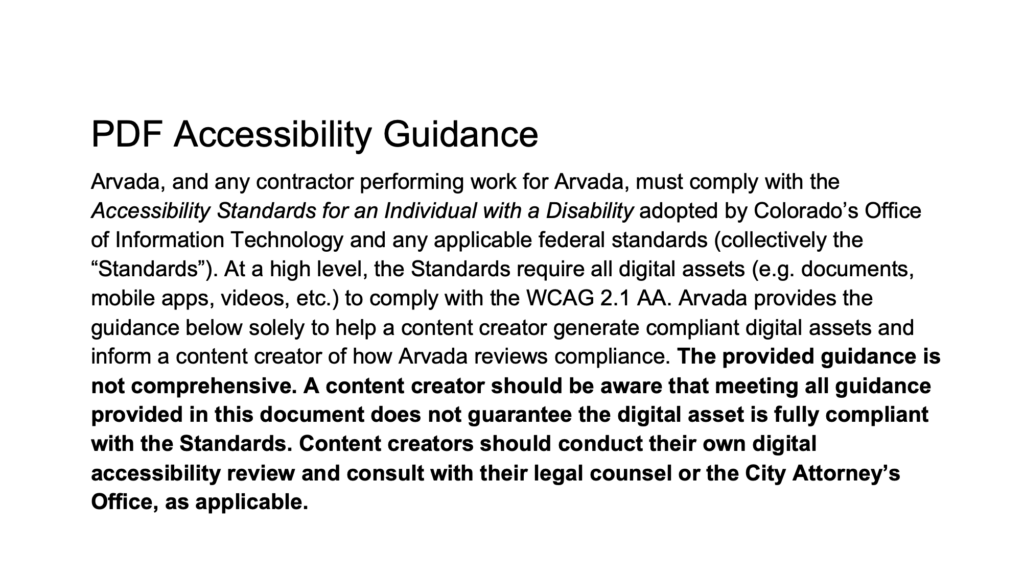
This guidance document outlines how to create and review accessible PDFs to help ensure compliance with WCAG 2.1 AA and other digital accessibility standards.
This brief synthesizes the manner in which the political and social service environments affect the intergenerational stability of non-citizen families, offering insights into programmatic supports.
American Public Human Services Association (APHSA)
This event convened policy experts and state leaders to explore how states can operationalize new Medicaid work reporting mandates—covering technical, legal, and implementation challenges.
This policy brief outlines how extending postpartum Medicaid and CHIP coverage can improve maternal health outcomes, reduce disparities, and strengthen continuity of care during the critical first year after childbirth.
Practitioner Picks is a new quarterly series designed to add fresh resources to the Digital Government Hub’s library, helping people improve government digital service delivery. Each issue spotlights resources chosen by practitioners in a specific service delivery area along with their insights on why these picks are valuable additions to the Hub. In this edition, our contributors round up resources to help bring housing services into the digital age.
This provides a comprehensive look at child well-being across the U.S., ranking states and highlighting policy recommendations to improve outcomes for children.