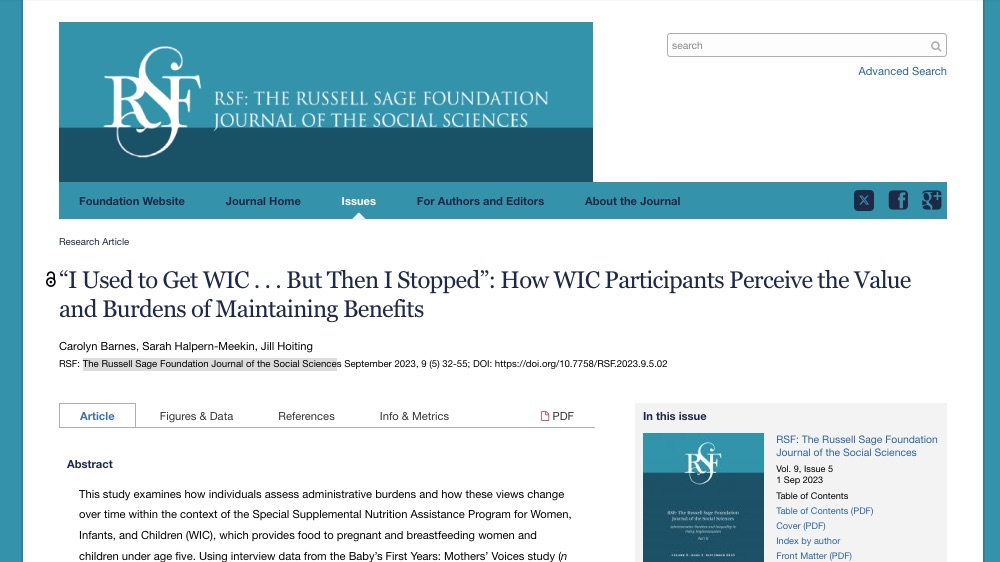
This study examines how individuals assess administrative burdens and how these views change over time within the context of the Special Supplemental Nutrition Assistance Program for Women, Infants, and Children (WIC).
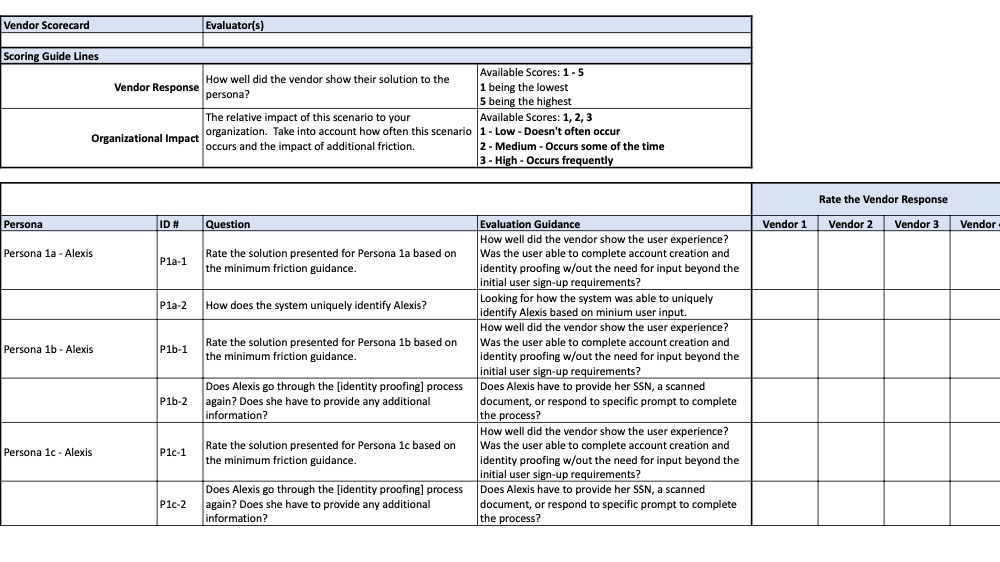
This scoring matrix from the California Employment Development Department (EDD) shows how the agency evaluated vendor proposals for a new identity proofing approach, based on vendors' ability to serve different user personas.
State of California Employment Development Department (EDD)
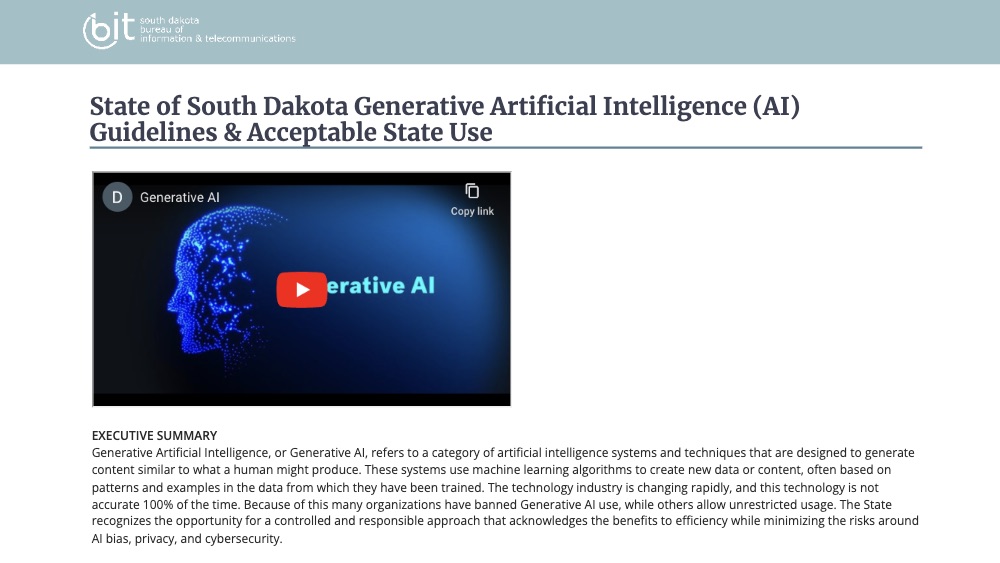
The state of South Dakota Bureau of Information and Telecommunications (BIT) designed guidelines for the responsible use of AI-generated content in state government agencies, emphasizing the need for proofing, editing, fact-checking, and using AI-generated content as a starting point, not the finished product.
South Dakota Bureau of Information and Telecommunications
This Playbook is produced by the New Jersey State Office of Innovation’s to help government resources better connect their audiences and constituents to their programs.
An on-demand webinar showing how counties can design, fund, and measure local wage boost pilots to strengthen the child care workforce and support economic participation.
An impact report summarizing how a small public-sector innovation team tested, built, and piloted shared digital services to reduce administrative burden in public benefits delivery.
A plain-language overview explaining how federal law regulates automated calls and text messages to the public, including when consent is required and who is exempt.
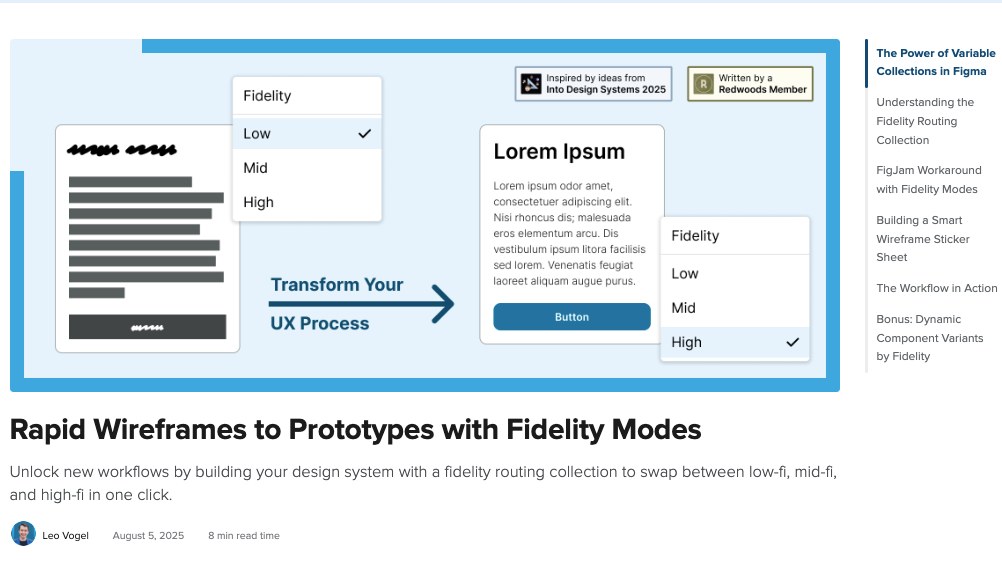
A practical resource explaining how to choose and use different fidelity modes in rapid prototyping to align team understanding and streamline design iterations.
This news release highlights Pennsylvania’s first-in-the-nation Generative AI pilot under Governor Shapiro, showcasing its positive impact on state employees and commitment to responsible, ethical AI use.
This session from FormFest 2024 featured the Department of Homeland Security and the United States Digital Service talking about their work to reduce form burdens for internal and external users.