This report explores Michigan’s implementation of the Pandemic Electronic Benefit Transfer (P-EBT) program. Drawing on interviews from individuals within the Michigan Department of Health and Human Services and input from SNAP participants via surveys distributed using the Fresh EBT app, this report provides insights into the strategies that enabled Michigan to roll out an entirely new program quickly and effectively.
An overview of current technology systems used by WIC agencies nationwide, highlighting trends, challenges, and opportunities for modernization to improve program efficiency and participant experience.
The article examines the participation of adults aged 50 and older in the Supplemental Nutrition Assistance Program (SNAP) in 2022, highlighting the program's role in reducing food insecurity and poverty among older adults, especially those with disabilities.
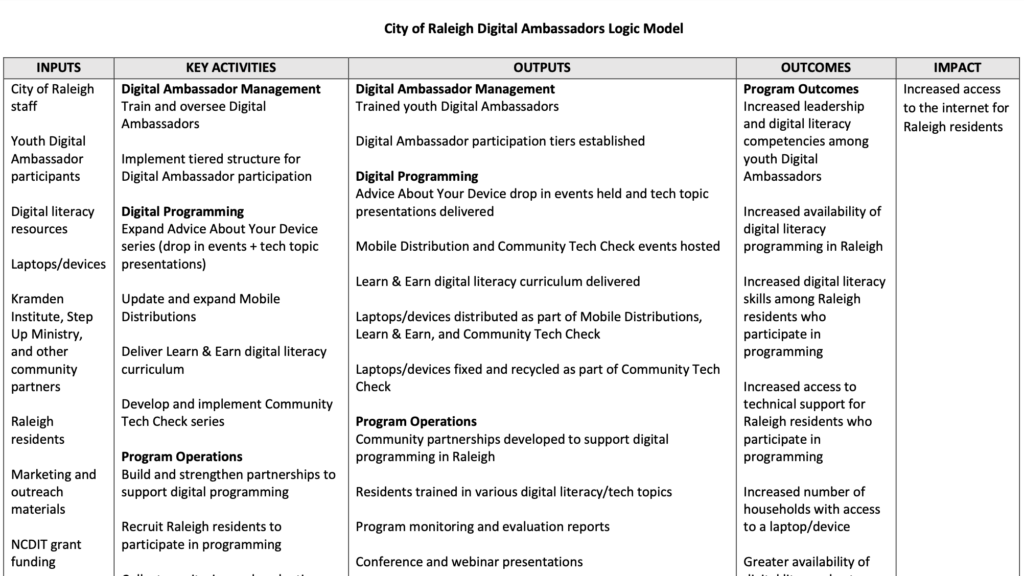
This logic model outlines a digital inclusion program designed to expand digital literacy, device access, and technical support for residents through youth leadership and community partnerships.
This paper concludes that the substantial COVID-19 unemployment insurance expansion had limited disincentive effects on job searches, particularly among lower-income individuals, despite high wage replacement rates.
Medicaid and SNAP have reduced racial and ethnic disparities in healthcare access and food security, but some administrative and eligibility policies continue to create inequitable barriers.