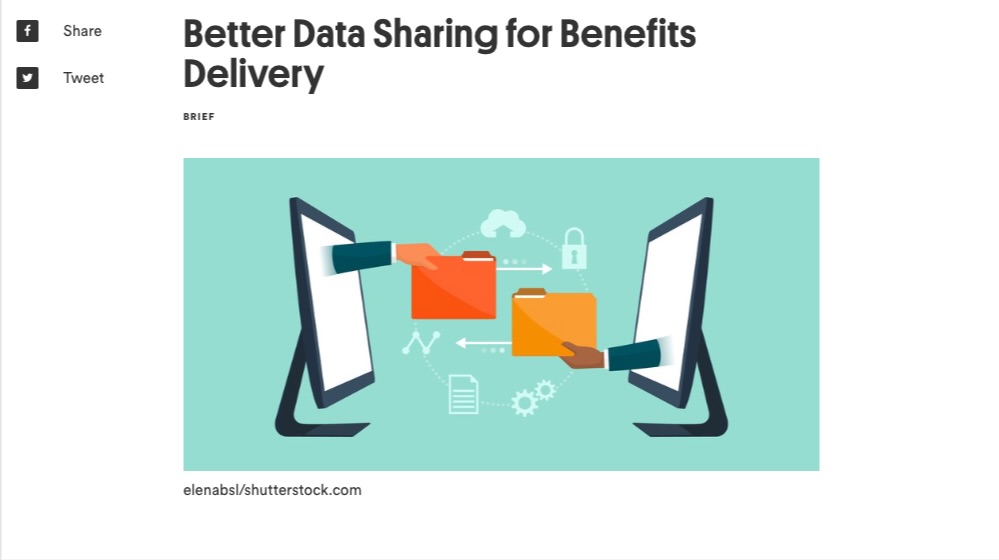
This policy brief outlines how improved data sharing between federal agencies, state and local governments, and institutions can leverage existing data from other benefits programs to streamline eligibility processes and benefits uptake for the Affordable Connectivity Program (ACP) and other programs.
A playbook by AdHoc for agencies ready to replace enterprise software patterns with proven techniques from the world of commercial software. These plays can better equip teams with the practices that create resilient, flexible, and customer-friendly digital services.
The vast fraud committed through the use of stolen and synthetic identities in UI programs has spotlighted the need for updated identity fraud detection mechanisms. As states are implementing new technologies and systems, they need to consider the ways in which they are impacting racial inequities in UI benefits.
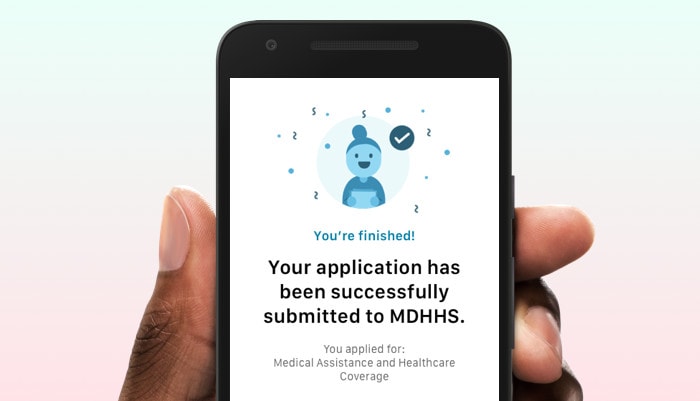
The ubiquity of mobile devices makes it imperative to build “mobile first” services, i.e. services built with the expectation that they will primarily be accessed on mobile devices. This article also outlines important considerations and suggestions for implementing mobile-first user interfaces.
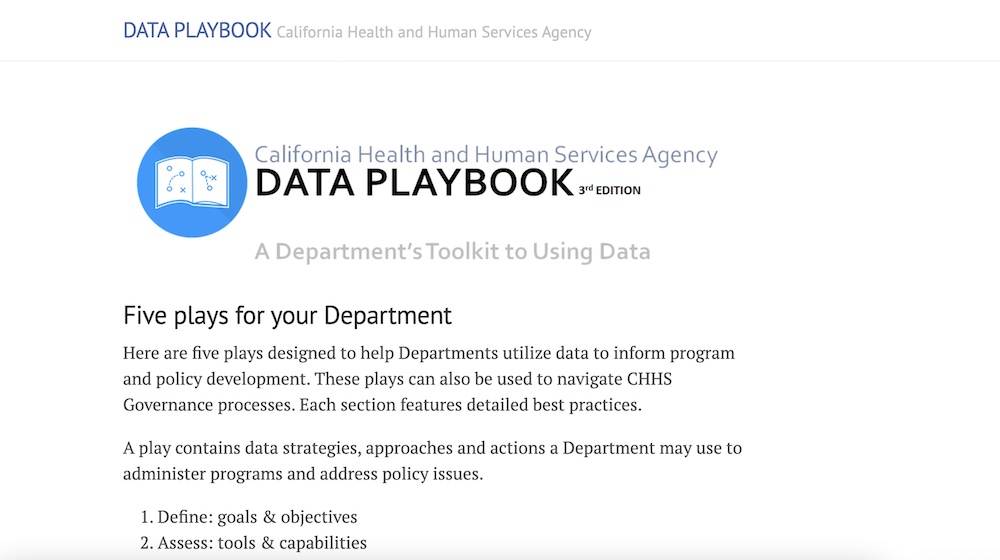
This data playbook created by the California Health and Human services agencies discusses five plays designed to help Departments utilize data to inform program and policy development.
California Health and Human Services Agency (Cal HHS)
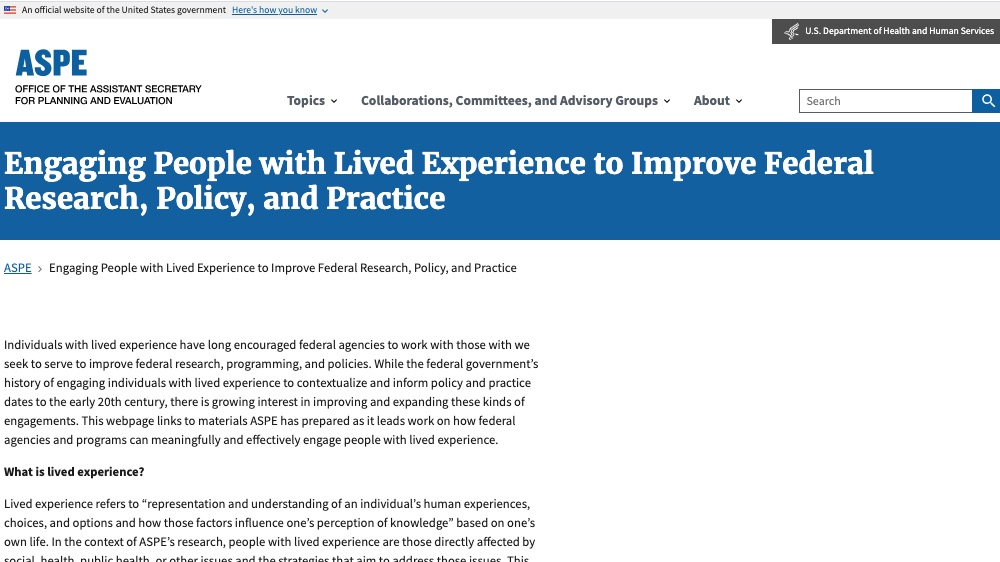
This webpage links to materials ASPE has prepared as it leads work on how federal agencies and programs can meaningfully and effectively engage people with lived experience.
Office of the Assistant Secretary for Planning and Evaluation (ASPE)
The Digital Service Network is publishing two essays to kick-start new (or super-charge existing) theories of change for government Digital Service teams.
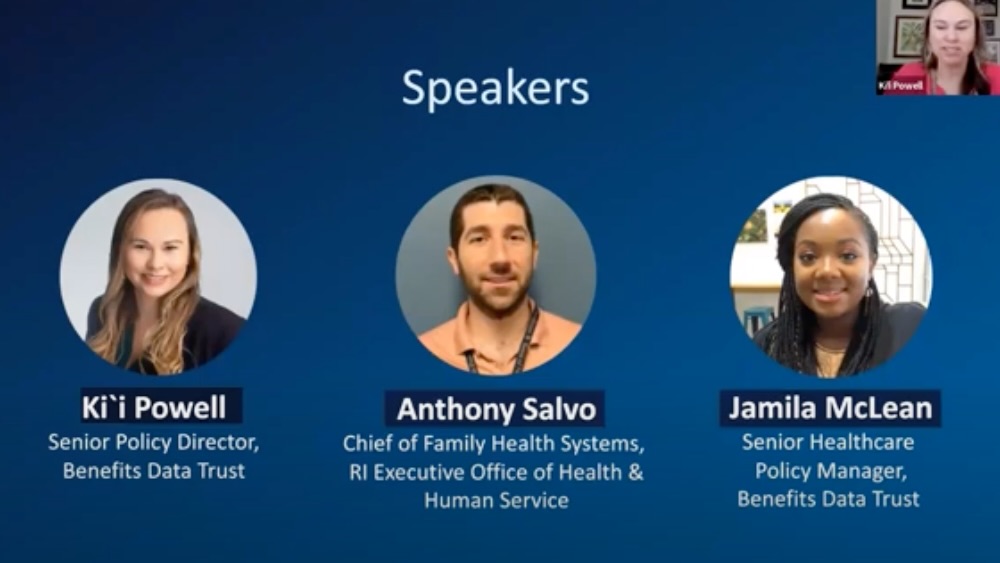
Sharing lessons learned via the Medicaid Churn Learning Collaborative, which is working to reduce Medicaid churn, improve renewal processes for administrators, and protect health insurance coverage for children and families.
The Administration for Children and Families’ Office of Family Assistance (OFA) worked with 18F to replace its legacy data reporting system through product management training, user research, and an assisted acquisition.
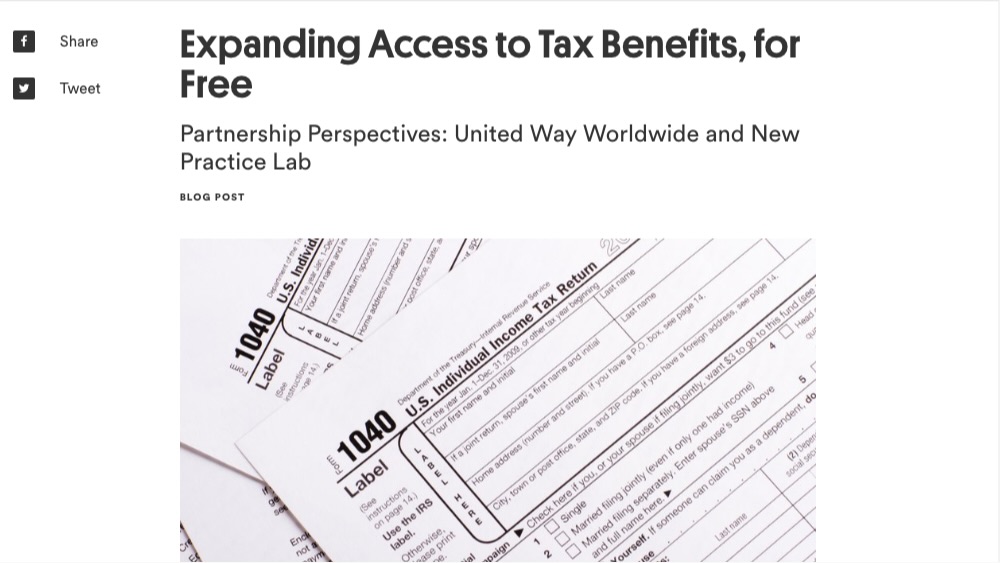
Expanding access to free tax assistance through virtual Volunteer Income Tax Assistance (VITA) programs can help low-income filers claim essential tax benefits without incurring preparation fees.