
Location: United States
-

Senior Advisor
This is a job description for the role of Senior Advisor from the New York City Mayor's Office for Economic Opportunity (NYC Opportunity).
-

Programs and Evaluation Graduate Fellow
This is a job description for the role of Programs and Evaluation Graduate Fellow from the New York City Mayor's Office for Economic Opportunity (NYC Opportunity).
-

Director of Innovation
This is a job description for the role of Director of Innovation from the Washington, D.C.
-
Outreach and Marketing Lead
This is a job description for the role of Outreach and Marketing Lead from the Presidential Innovation Fellows.
-
Front End Web Developer / Engineer
This is a job description for the role of Front End Web Developer / Engineer from the State of California.
-
Technology Portfolio Specialist
This is a job description for the role of Technology Portfolio Specialist from the Technology Transformation Services (TTS).
-
Cloud Consulting Technical Lead
This is a job description for the role of Cloud Consulting Technical Lead from the 18F.
-
Security Compliance Architect
This is a job description for the role of Security Compliance Architect from the Technology Transformation Services (TTS).
-
Design Director – Supervisory IT Specialist
This is a job description for the role of Design Director - Supervisory IT Specialist from the 18F.
-
Cloud Adoption Specialist
This is a job description for the role of Cloud Adoption Specialist from the Centers of Excellence.
-
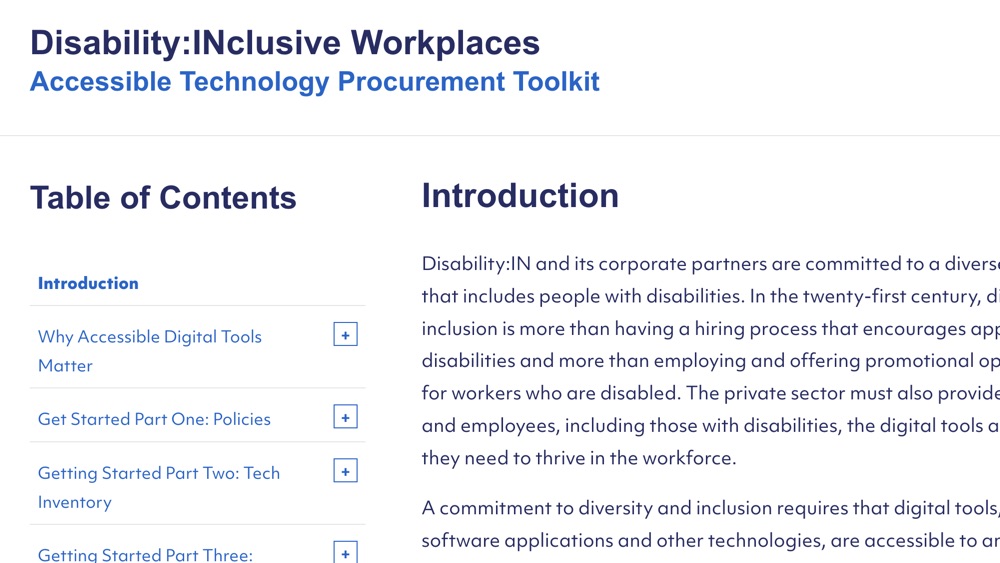
Accessible Technology Procurement Toolkit
A guide on how to procure for accessible technology.
-
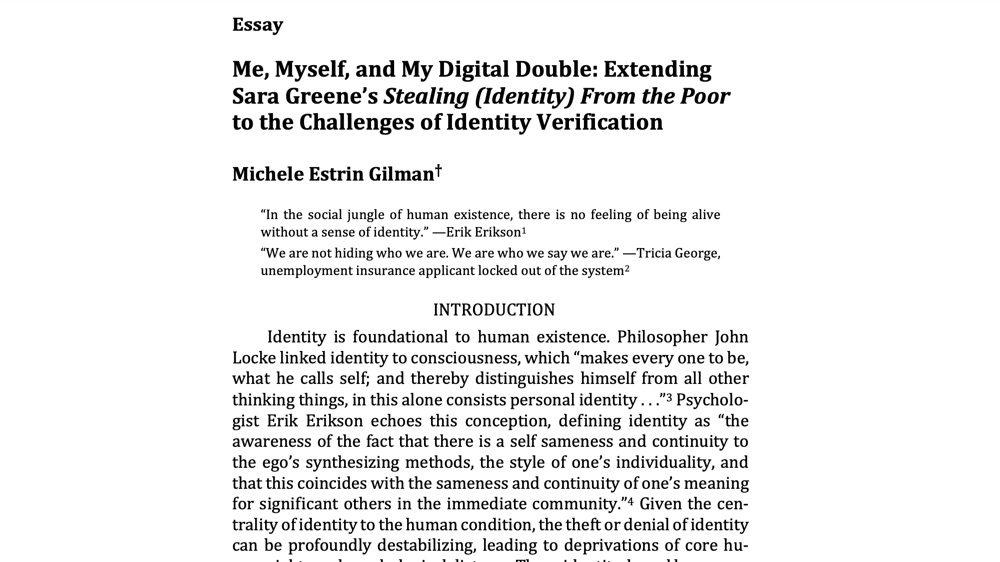
Me, Myself, and My Digital Double: Extending Sara Greene’s Stealing (Identity) From the Poor to the Challenges of Identity Verification
This essay explores the challenges of identity verification and suggests several paths forward for more equitable systems.