This one-pager introduces Iowa Child Care Connect (C3), a centralized data system that integrates near-real-time child care data to support families, providers, policymakers, and economic development efforts across the state.
The story of Andrew Petrisin and the FLOW system demonstrates how the U.S. DOT successfully overcame barriers in government tech by building a collaborative, user-centered logistics platform that provided value to stakeholders during the 2021 supply chain crisis.
The article explores the importance of participatory planning in policymaking, emphasizing how engaging impacted communities improves program design, equity, and trust in government, with a focus on early childhood education initiatives.
This session from FormFest 2024 features the South Carolina Early Childhood Advisory Council’s work developing a single portal to integrate applications for publicly funded programs and services, and the office of Federal Student Aid’s work on the FAFSA form.
This session from FormFest 2024 focused on how governments are scaling their SNAP benefits programs, with Maryland’s improved integrated benefits application and the Office of Evaluation Sciences’ changes to questions on the SNAP application.
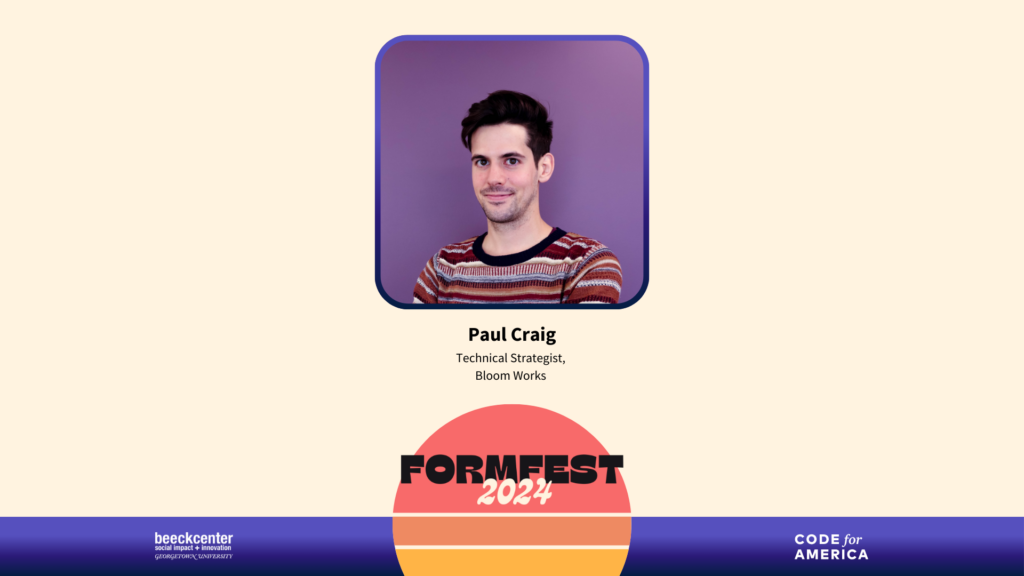
A profile on FormFest speakers Greg Clapp, Josh Gregor, Sophia Tareen, Sourabh Chakraborty, featuring stories about their motivations for working on public sector form innovation.
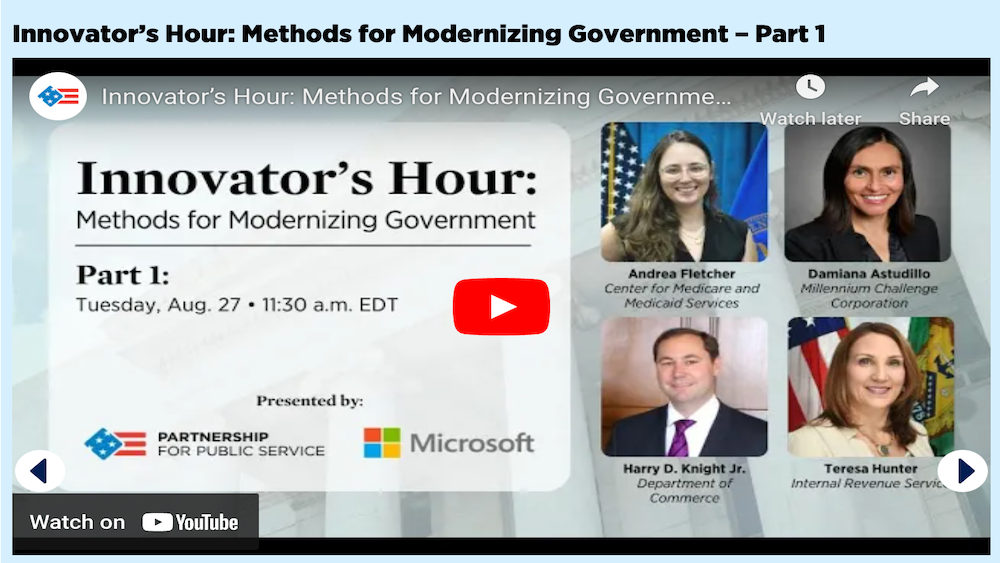
The Modern Government Leaders program brought together federal executive innovators to share best practices and drive service delivery and process modernization.
This paper discusses the country’s chronic underinvestment in children and resulting outcomes, including new data on poverty rates among young children, is inextricable from the prospects of young children; and the remarkably comprehensive pandemic-era response policies, including which changes contributed most to reducing child poverty.