A guide by New America to help cities and states set up cash assistance programs for their residents, based on the Alia Cares platform that the National Domestic Workers Alliance built to run their Coronavirus Cares Fund that provides emergency assistance for home care workers to support them in staying safe and at home to slow the spread of COVID.
The "Implementing Paid Family and Medical Leave" report examines New Jersey's experience with paid leave programs, offering insights and recommendations for effective policy design and implementation.
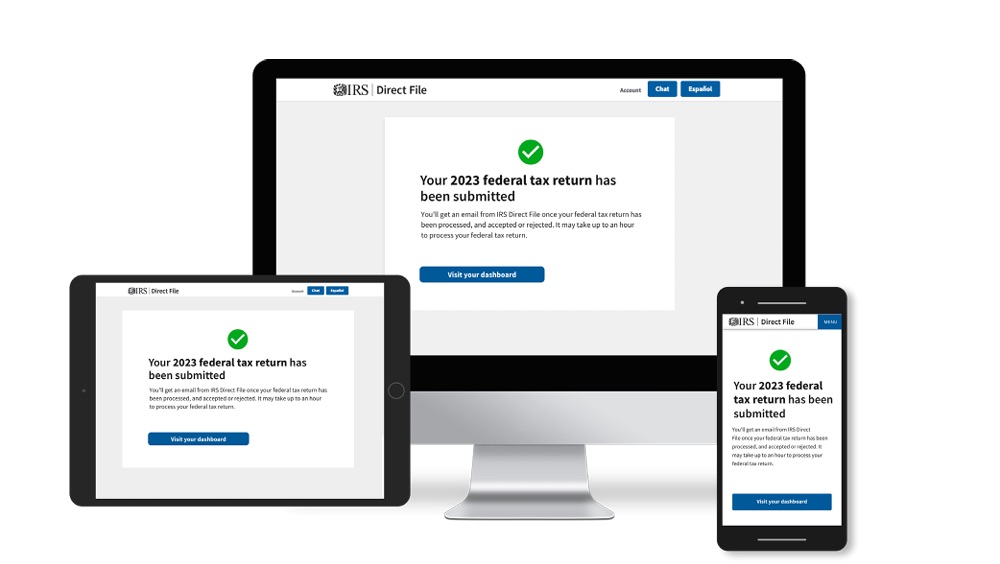
The IRS Direct File Pilot Program After Action Report evaluates the 2024 pilot of a free, government-run tax filing system, assessing taxpayer participation, user experience, and potential for future expansion.
These guidelines provide technical requirements for federal agencies implementing digital identity services and are not intended to constrain the development or use of standards outside of this purpose. This guideline focuses on the enrollment and verification of an identity for use in digital authentication.
National Institute of Standards and Technology (NIST)
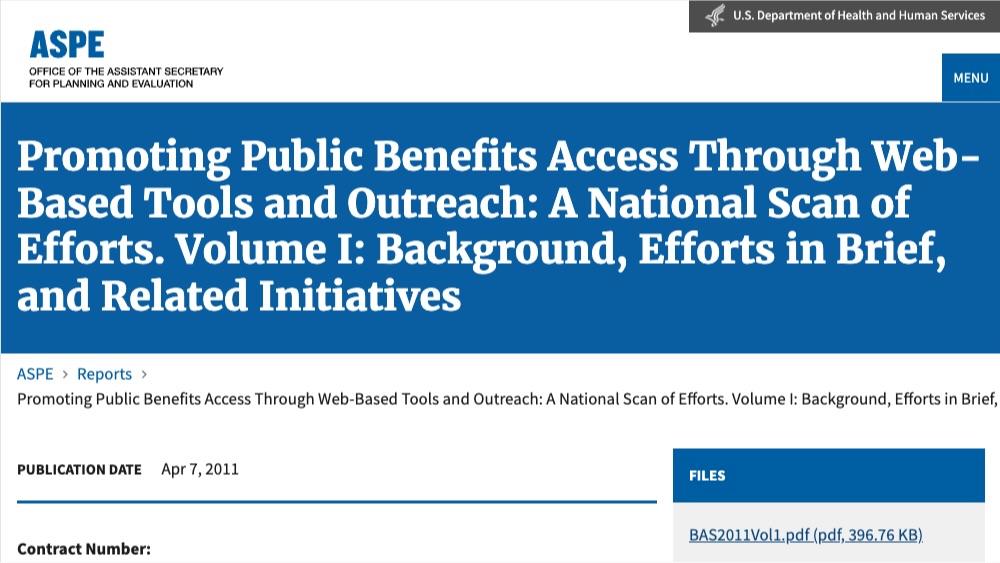
Demand for public benefits is rising in response to continued economic pressure on vulnerable people, in addition to changes in eligibility rules for some safety net programs. This report summarizes existing benefits access efforts, studies the successes and challenges of benefits expansion efforts through a subset of in-depth case studies, and analyzes the potential for sustaining, expanding, and replicating successful efforts.
Office of the Assistant Secretary for Planning and Evaluation (ASPE)
In this video, Susan S. Gibson, chair of the Pandemic Response Accountability Committee's (PRAC) Identity Fraud and Redress Working Group, speaks with Jeremy Grant of the Better Identity Coalition, about the challenges of identity fraud for benefits program during the COVID-19 pandemic.
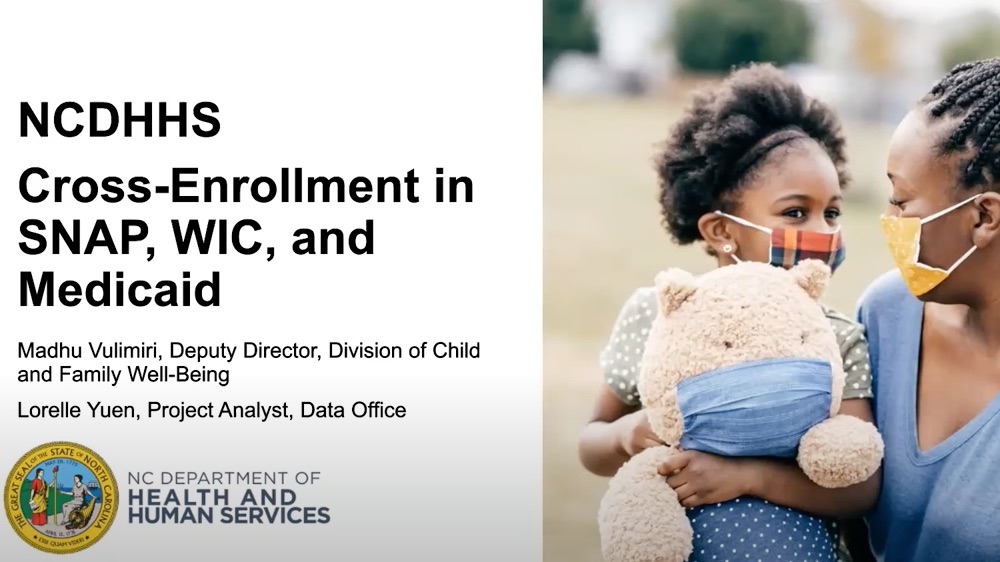
In this presentation, team members from the North Carolina Department of Health and Human Services provide an overview of the implementation process for cross enrollment with SNAP, WIC, and Medicaid in North Carolina.
North Carolina Department of Health and Human Services
This policy report offers recommendations for improving digital identity practices in the United States, emphasizing the role of government in creating secure, accessible digital identity resources.
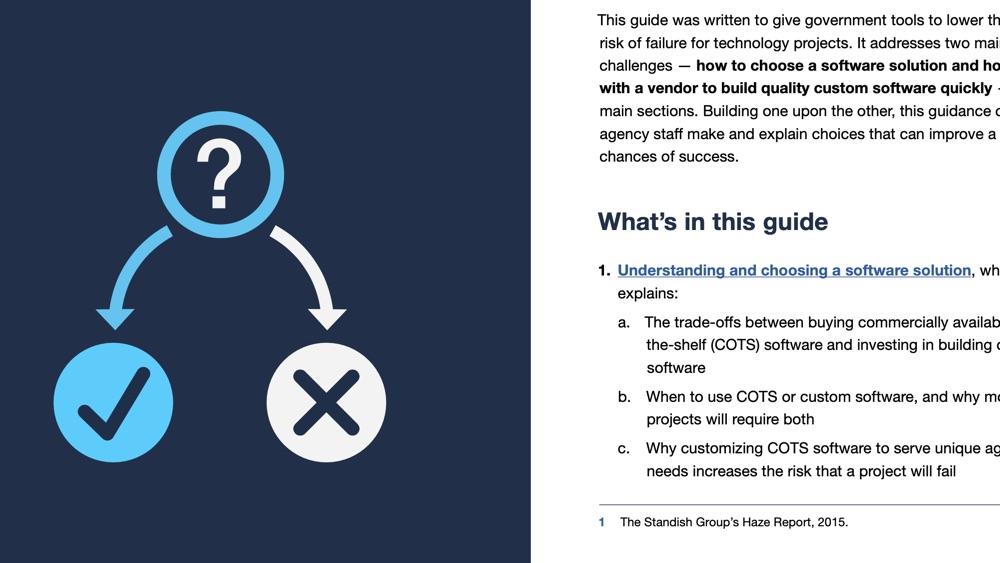
Modular contracting doesn’t just mean that you break one procurement into several pieces. This article shows you how to take a modular approach with a single contract divided up into natural break points.
The report discusses how state Medicaid agencies can enhance efficiency and maintain coverage for eligible individuals by implementing ex parte renewals, which automatically renew beneficiaries' coverage using existing data without requiring action from enrollees.