A nationwide survey capturing how state chief data officers are structured, resourced, and operating, and how the role is evolving to support data-driven government.
National Association of State Chief Information Officers (NASCIO)
A practical toolkit that guides teams through designing and building accessible forms in print and PDF formats that are usable by people with disabilities and meet accessibility standards.
A public web guide designed to help federal agencies understand and implement the SHARE IT Act’s code-sharing requirements, with documentation, tools, and procedural resources for compliance.
U.S. Department of Health and Human Services (HHS)
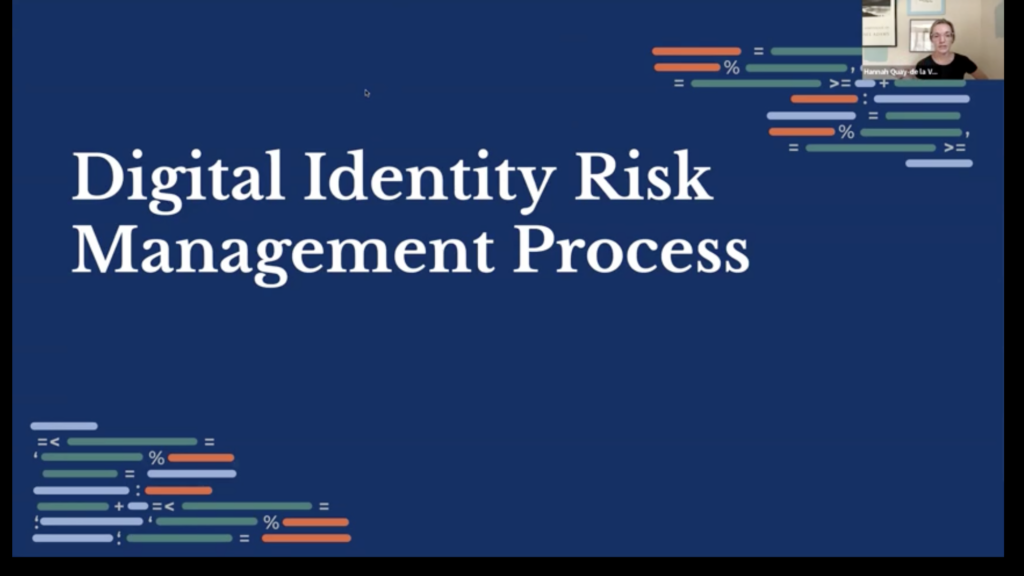
An overview video describing the Digital Identity Risk Management process outlined in NIST's Digital Identity Guidelines, which organizations can use to develop a risk-based approach to identity management.
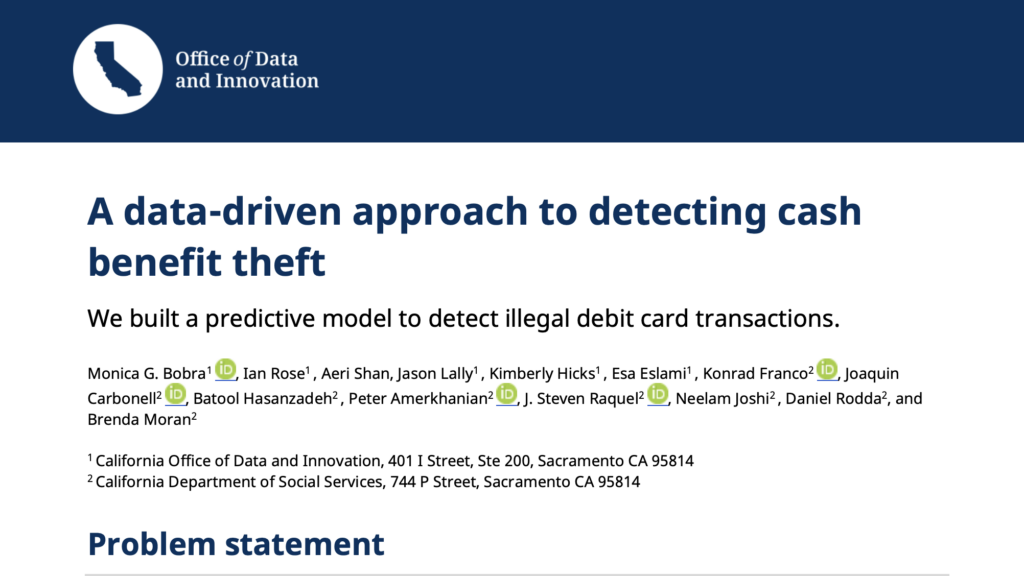
A case study explaining how a predictive, data-driven machine-learning model was developed to detect unauthorized cash benefit withdrawals more quickly and accurately in California.
A practical guide for advocates that explains how automated benefit notices are generated, where common notice failures originate, and how to push for effective fixes.
Louisiana issued an RFI to identify solutions that can provide a technology platform for determining eligibility and managing cases across multiple human services programs.
This resource provides state agencies and their implementation partners with context on how and why to conduct a Digital Identity Risk Management (DIRM) process, as well as a new spreadsheet-based tool to guide agency teams through the process.