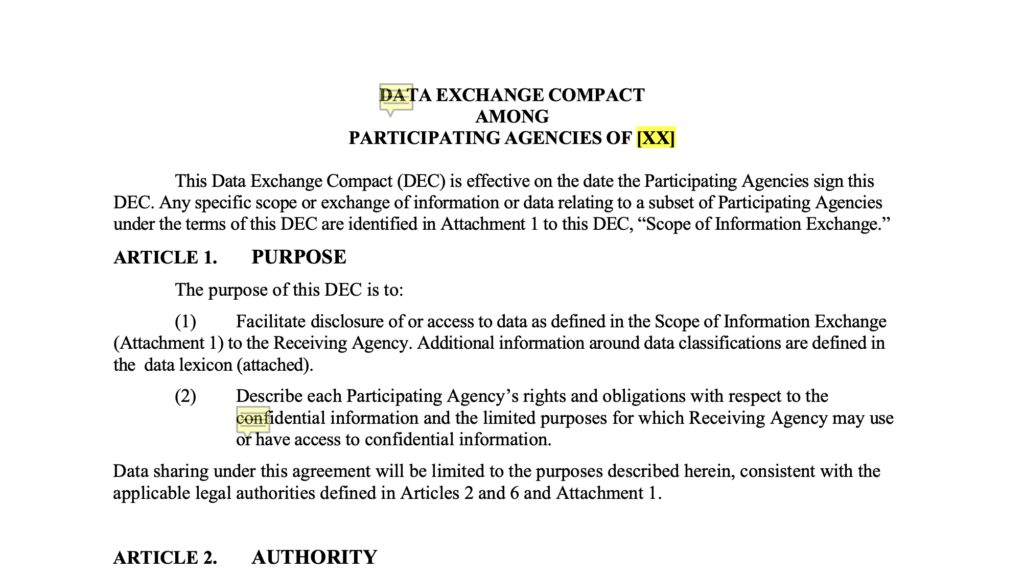
A comprehensive template for establishing legally compliant data-sharing agreements between government agencies, defining authorized purposes, privacy protections, security requirements, and governance responsibilities.
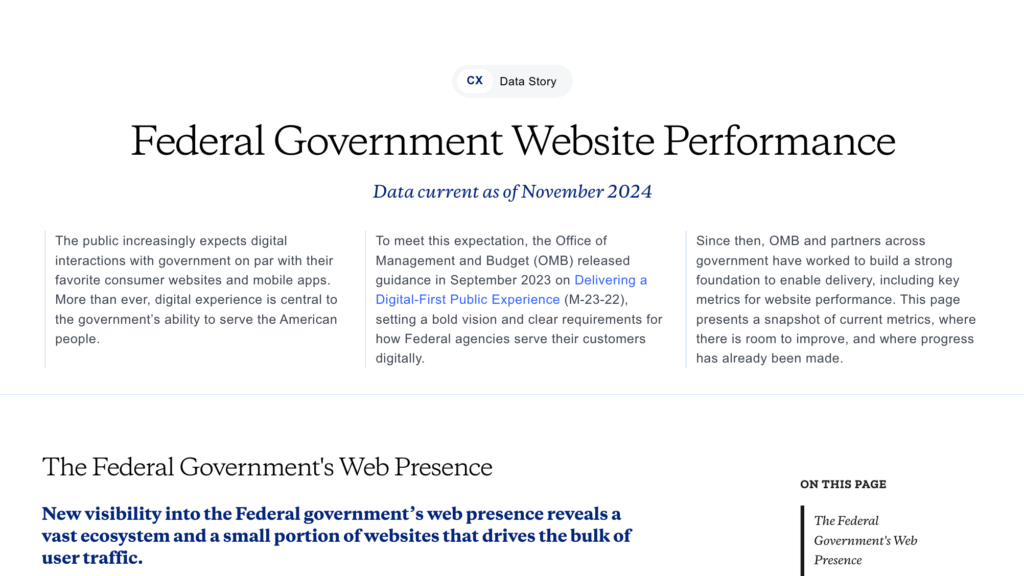
This page reports on key metrics assessing how well federal websites are performing against standards for accessibility, mobile usability, search, feedback, design consistency, analytics, and security.
Guidance on how state agencies should identify, assess, and manage risks associated with deploying high-risk generative AI systems under Executive Order 24-01.
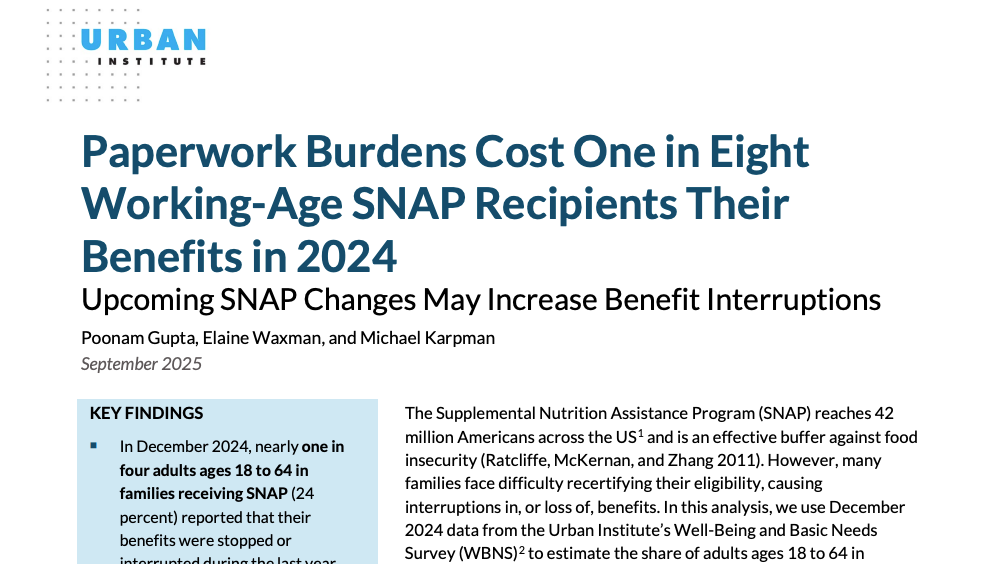
This report analyzes how administrative burdens in SNAP caused one in eight working-age adults to lose benefits in 2024, with future federal policy changes expected to worsen disruptions
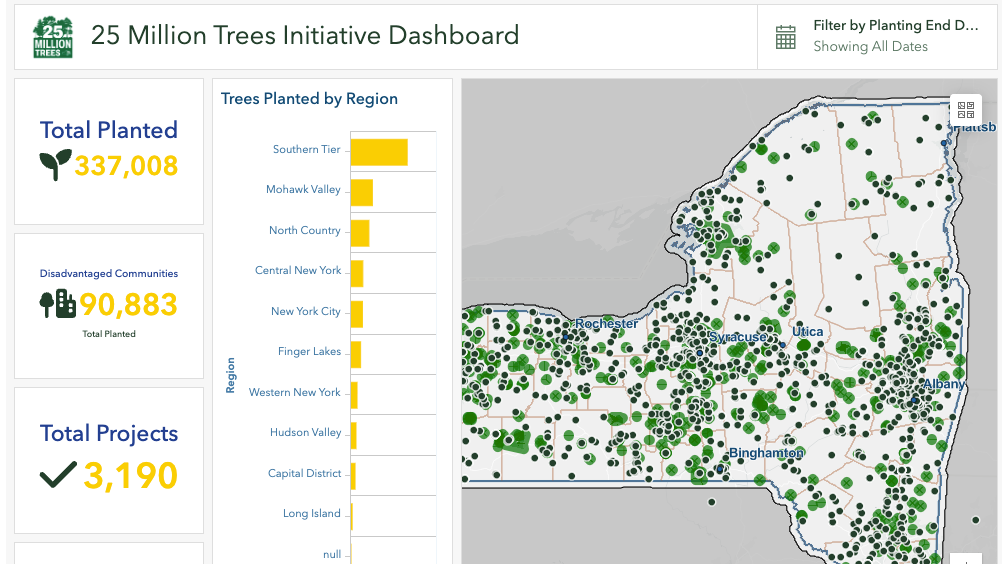
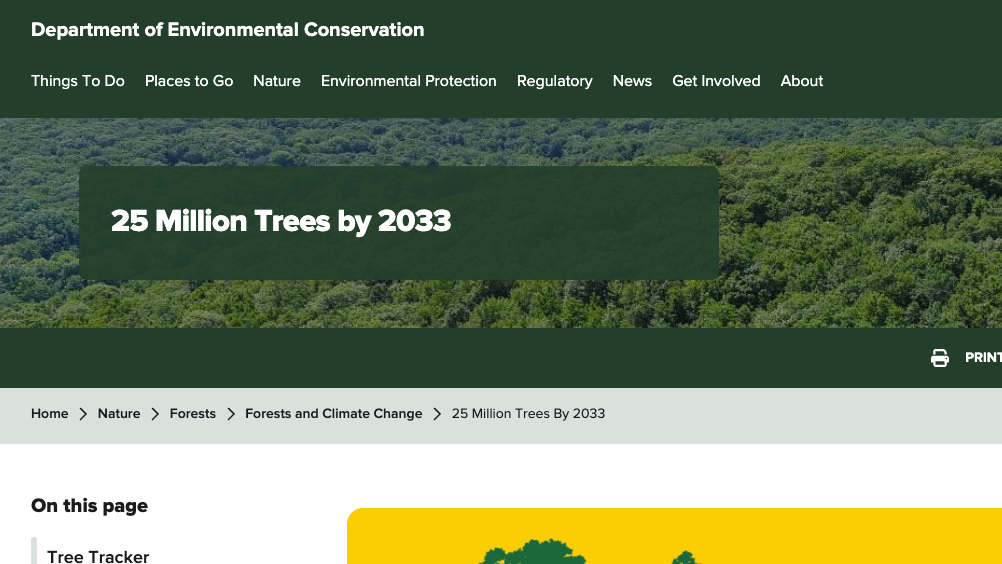
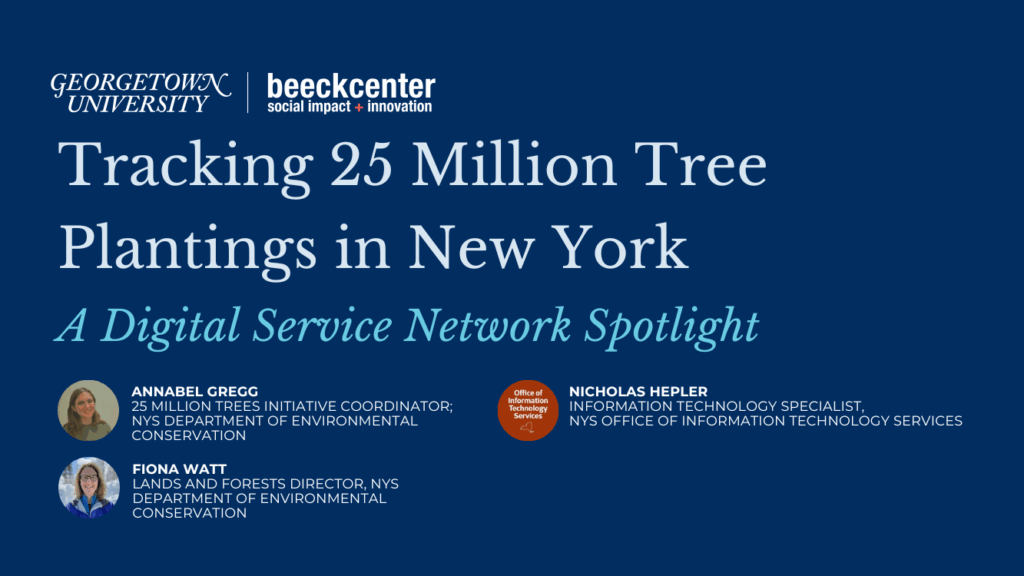
A statewide initiative by the New York State Department of Environmental Conservation (DEC) to plant and track 25 million trees by 2033 across New York State.
A 2025 policy agenda outlining comprehensive federal and state recommendations to eliminate benefits cliffs and strengthen economic mobility for families transitioning off public assistance.
A report that defines what effective “human oversight” of AI looks like in public benefits delivery and offers practical guidance for ensuring accountability, equity, and trust in algorithmic systems.
A statewide framework defining six core digital skills standards to equip North Carolina residents with the competencies needed to participate safely, confidently, and effectively in an increasingly digital world.
North Carolina Department of Information Technology (NCDIT)
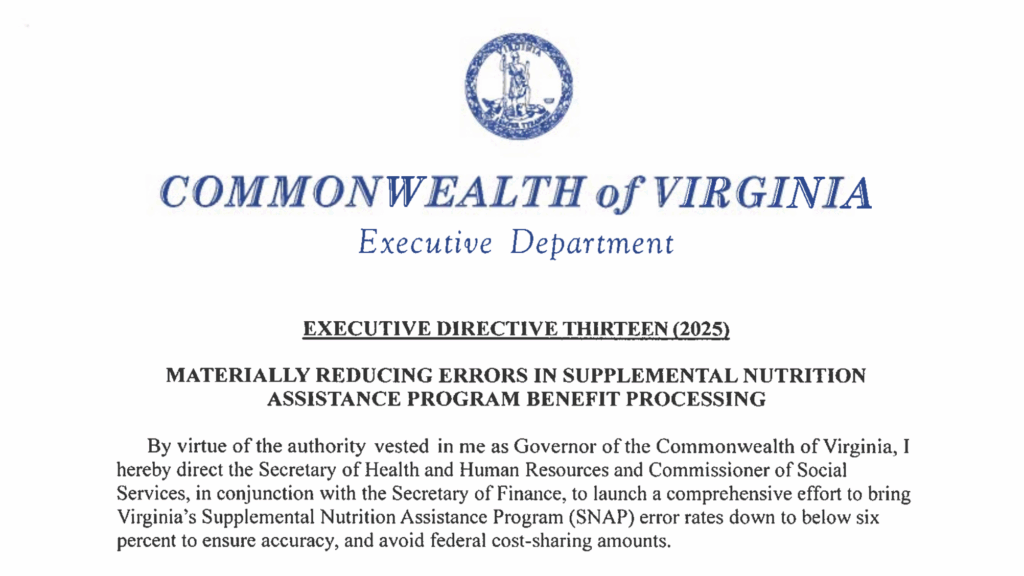
A directive issued by the Commonwealth of Virginia to materially reduce the error rate in Supplemental Nutrition Assistance Program (SNAP) benefit processing among local social services offices.
DSN Spotlights are short-form project profiles that feature exciting work happening across our network of digital government practitioners. Spotlights celebrate our members’ stories, lift up actionable takeaways for other practitioners, and put the resources + examples we host in the Digital Government Hub in context.