An economic analysis estimating how recipients of emergency SNAP benefits during the pandemic allocated additional funds, primarily to food consumption.
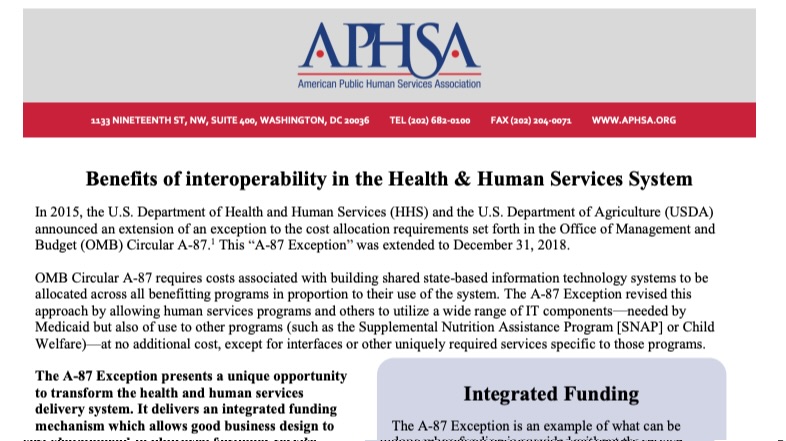
This report explains how the A-87 Exception enabled states to modernize and integrate health and human services systems, improving service delivery, efficiency, and data sharing across programs.
American Public Human Services Association (APHSA)
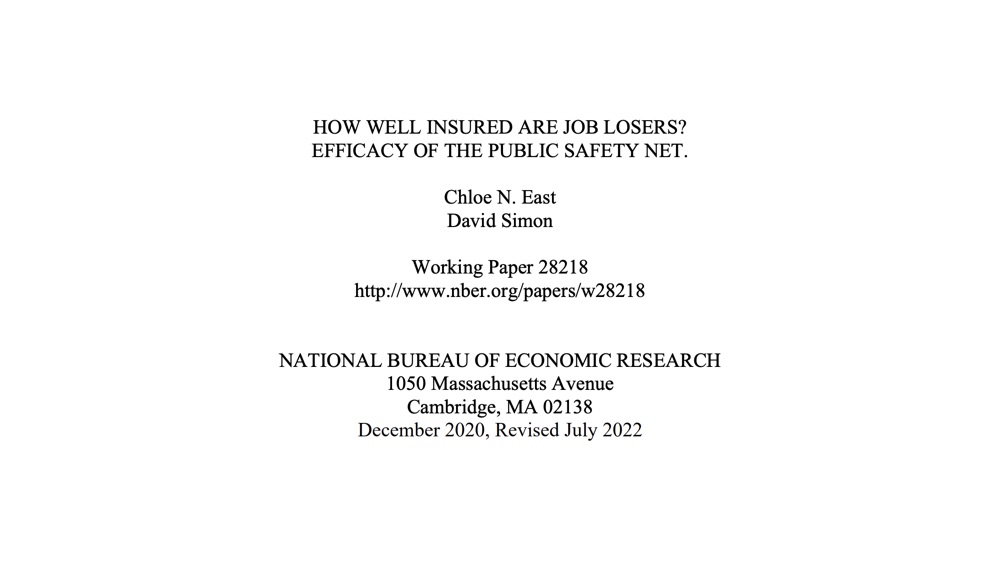
This resource is a research paper examining the role of the public safety net in insuring job losers against income loss, analyzing which government programs provide financial support and how benefits vary based on pre-job loss income levels.
Differing federal requirements for public benefit applications create significant barriers for applicants and complicate state efforts to integrate services.
NYC Opportunity collaborated with the Administration for Child Services (ACS) to design a family-centered process for prevention services, addressing confusion and lack of choice in the current system. By creating tools like the Provider Profile and Family Voice booklet, the team empowered families to choose providers based on their needs while ensuring their feedback reaches ACS. The project aims to improve family experiences and communication with ACS, with plans to expand through testing and future innovations like a web portal.
SNAP Waivers and Adaptations During the COVID-19 Pandemic: A Survey of State Agency Perspectives in 2020 is a study conducted by the Johns Hopkins Institute for Health and Social Policy (IHSP) based at Johns Hopkins Bloomberg School of Public Health and the American Public Human Services Association (APHSA). This research seeks to understand perspectives from state SNAP administrators on the successes, challenges, and lessons learned from waivers and flexibilities used to preserve equitable access to SNAP during the COVID-19 pandemic. Based on state agency survey responses, this report summarizes key findings from the first calendar year of pandemic response and provides policy considerations for the future of SNAP. This research was supported by Healthy Eating Research, a national program of the Robert Wood Johnson Foundation.
Johns Hopkins Institute for Health and Social Policy
Coordinating SNAP & Nutrition Supports (CSNS) is a cohort program developed by the American Public Human Services Association (APHSA) and No Kid Hungry, a national campaign run by Share Our Strength.
American Public Human Services Association (APHSA)
This guide highlights approachable ideas for state and local public benefits agencies to improve applications, renewals, and correspondence. As outlined in this resource, even small improvements can be transformative for residents and caseworkers alike.
This report describes C-Stat 2.0, an updated version of the the Colorado Department of Human Services’ performance-based analysis strategy that allows them to better focus on and improve performance outcomes that enhance people’s lives.
In this webinar, the Center on Budget and Policy Priorities and the Digital Benefits Network explored key terms related to digital identity, and provided ecosystem-level context on how authentication and identity proofing may show up in the online benefits experience and impact clients.