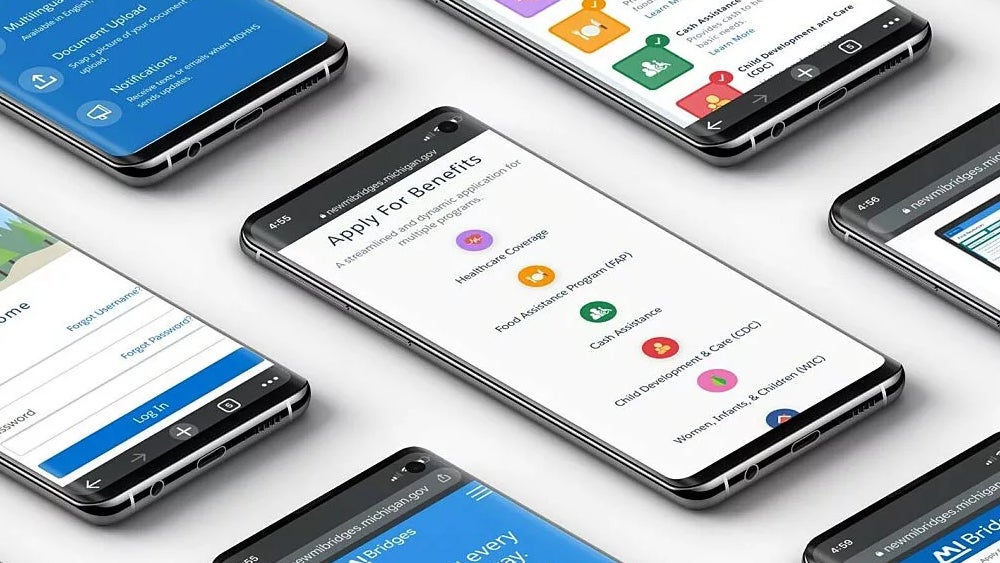
This case study documents how Civilla partnered with the Michigan Department of Health and Human Services (MDHHS) to redesign and modernize online enrollment for the state’s largest benefit programs.
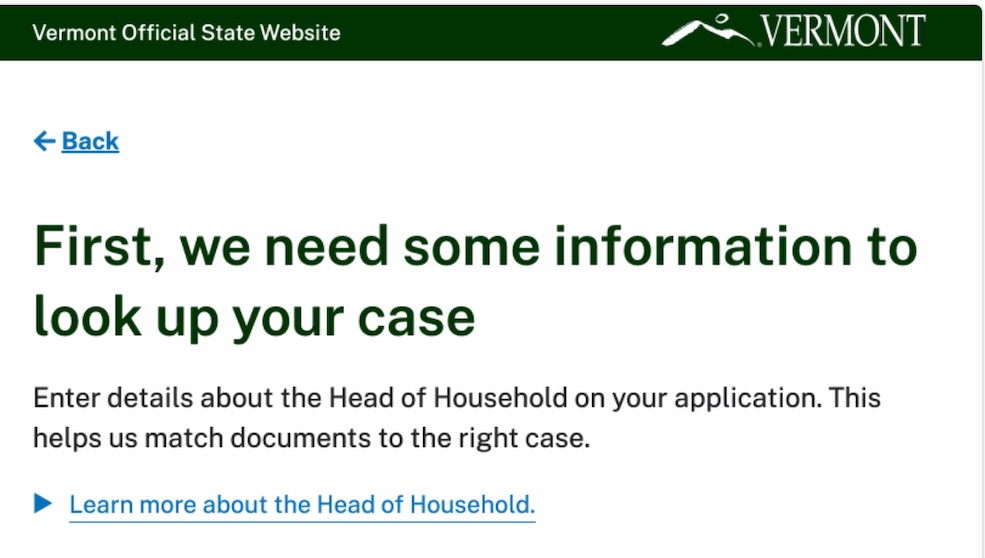
Nava built flexible and reusable software and design components to make it easier for Vermonters to access their benefits. These components support Vermont’s long-term vision of integrating eligibility and enrollment processes for all of the state’s healthcare and financial benefit programs.
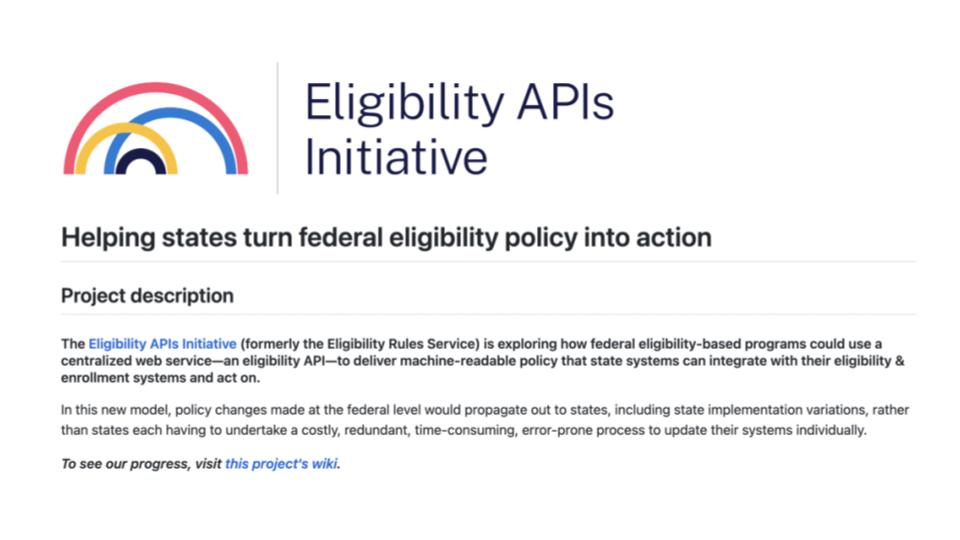
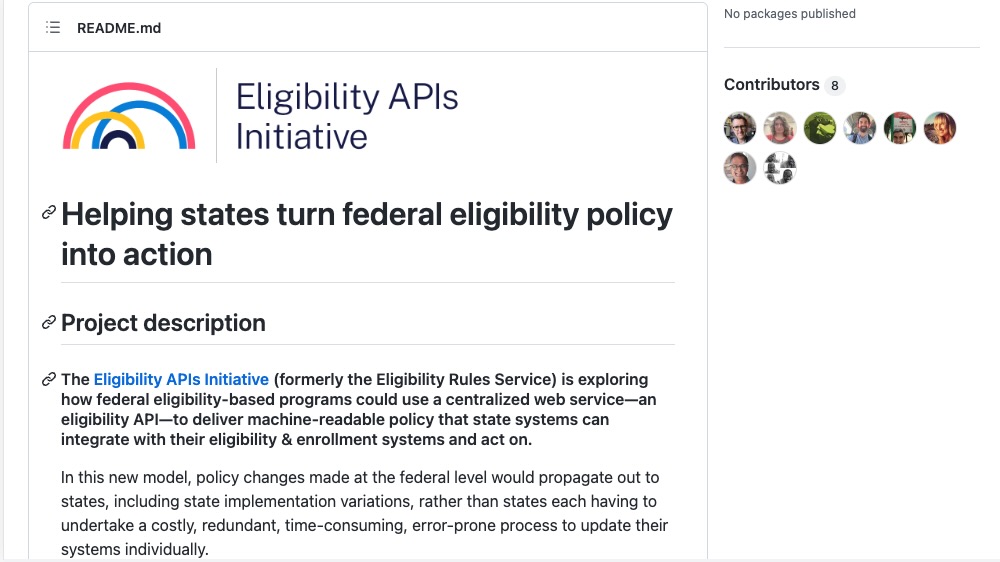
18F, a consultancy within the U.S. General Services Administration, developed a prototype API and pre-screener to model federal SNAP eligibility rules, aiming to simplify benefits access through open-source technology.
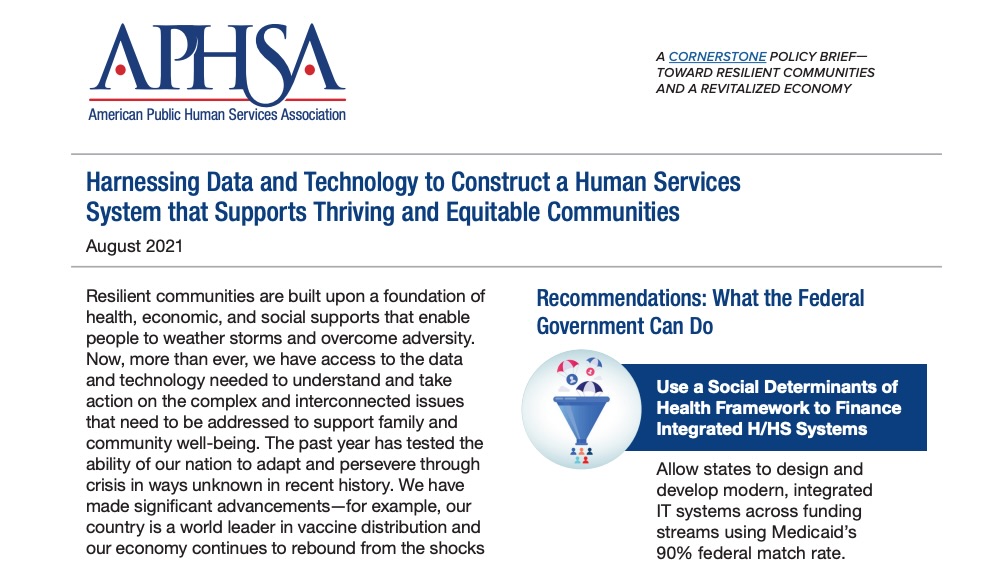
APHSA explains how certain tools and recommendations about when people apply for help, engage in services, and maintain benefits can have a powerful effect to either counter or exacerbate structural barriers to accessing assistance.
American Public Human Services Association (APHSA)
Code for America offers government agencies a general overview of getting started with implementing text messaging services for clear, responsive communication during the COVID-19 pandemic.
This playbook outlines the ways Community Action and human services agencies worked together to meet the pandemic challenge—what worked well, obstacles and difficulties, and lessons learned to inform the path forward, partnering to achieve a more equitable recovery. It also explains how communities have leveraged opportunities to partner on approaches that hold the promise of deeper, longer lasting changes for families—work shaped by families’ wishes and strengths and designed to advance both family-level and systems-level change.
American Public Human Services Association (APHSA)