This case study highlights Michigan’s integrated, data-driven approach to reducing food insecurity through cross-agency collaboration, referral tracking, and targeted outreach.
American Public Human Services Association (APHSA)
Well-designed, user-focused tools that allow for simple application are key to ensuring that families most in need receive the Child Tax Credit. Reaching these households will require a robust effort from the IRS to create user-friendly tools in partnership with organizations with a direct connection to eligible recipients.
An analysis showing that a proposed plan to shift some cost of SNAP benefits to states could push nearly 900,000 additional people into poverty during a recession.
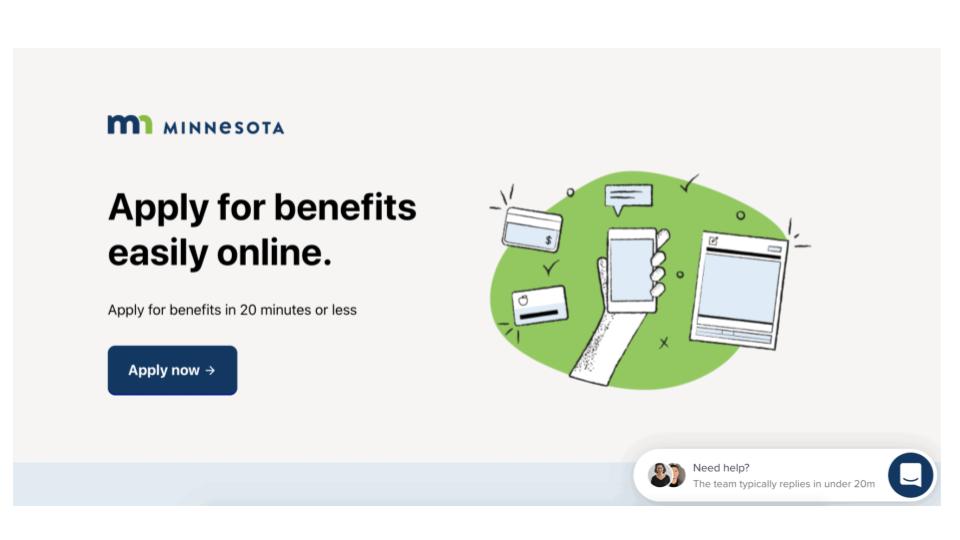
Minnesota is a good example of an organization that started small in its drive to integrate benefits programs. For instance, its recent statewide rollout of its online integrated benefit application website, MNbenefits.mn.gov, started as a pilot in 2020 with Code for America. The pilot encompassed two counties including Hennepin County, where Minneapolis is located. The pilot later expanded to four counties, then 16 and a tribal nation. The final roll out, which took 12 months to implement, included the state’s 87 counties and three tribal nations.
This article offers three human‑centered strategies to help state agencies implement expanded work reporting requirements in SNAP and Medicaid under H.R. 1 with minimal burden on clients and staff.
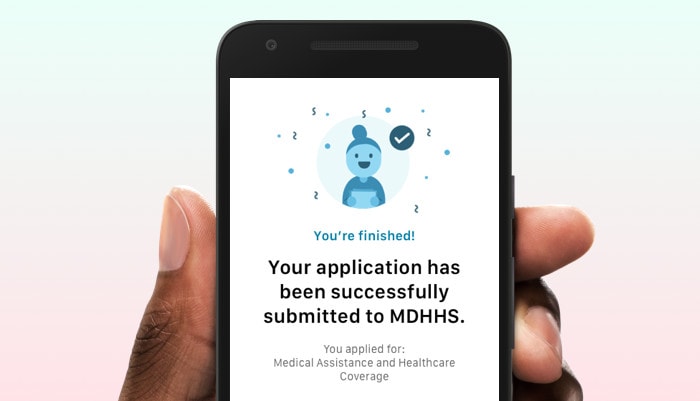
The ubiquity of mobile devices makes it imperative to build “mobile first” services, i.e. services built with the expectation that they will primarily be accessed on mobile devices. This article also outlines important considerations and suggestions for implementing mobile-first user interfaces.
This report explores how state and local agencies can enhance customer service in health and human services by implementing technologies such as web-based tools, mobile applications, and call center innovations, aiming to streamline processes and improve client interactions.
During the COVID-19 pandemic, states utilized temporary Supplemental Nutrition Assistance Program (SNAP) flexibilities to provide emergency benefits and maintain support for households with children missing school meals.
The New Mexico Human Services Department and Department of Health, as part of the Coordinating SNAP & Nutrition Supports program, leveraged data sharing to align SNAP, Medicaid, TANF, and WIC.
American Public Human Services Association (APHSA)
The New Jersey Department of Human Services and New Jersey Department of Health collaborated in their Coordinating SNAP & Nutrition Supports project to enhance the enrollment and coordination of SNAP and WIC programs.
American Public Human Services Association (APHSA)
This guide is intended to provide a general overview of the national statutory and regulatory landscape governing the legality of sending large volumes of text messages and sharing client information.
Technology that automates different processes can save time for caseworkers and constituents, but it can also significantly reduce the transparency of government operations. This paper describes how Pennsylvania advocates addressed the low rate of automated Medicaid renewals.