This chart is based on the flow of infection control information from national and state guidance down through healthcare systems and facilities, ultimately reaching frontline healthcare workers.
With the extension and expansion of P-EBT during COVID and the Food and Nutrition Service releasing new guidance, states have an opportunity to effectively deliver essential resources to children and families. Code for America built this toolkit of resources to share recommendations and promising practices around the implementation of P-EBT and to support state agencies and partners tasked with the development of P-EBT programs.
In this brief, APHSA outlines its commitment to addressing the causes of structural inequities by first illuminating structural root causes of race inequity within the context of human services. The brief outlines approaches to doing the intentional and systematic work that is required to counteract the structural barriers human services systems have fostered.
American Public Human Services Association (APHSA)
The article highlights the federal government's efforts to improve customer experience through collaborative, human-centered approaches and lessons on embracing risk, partnerships, and user-focused design.
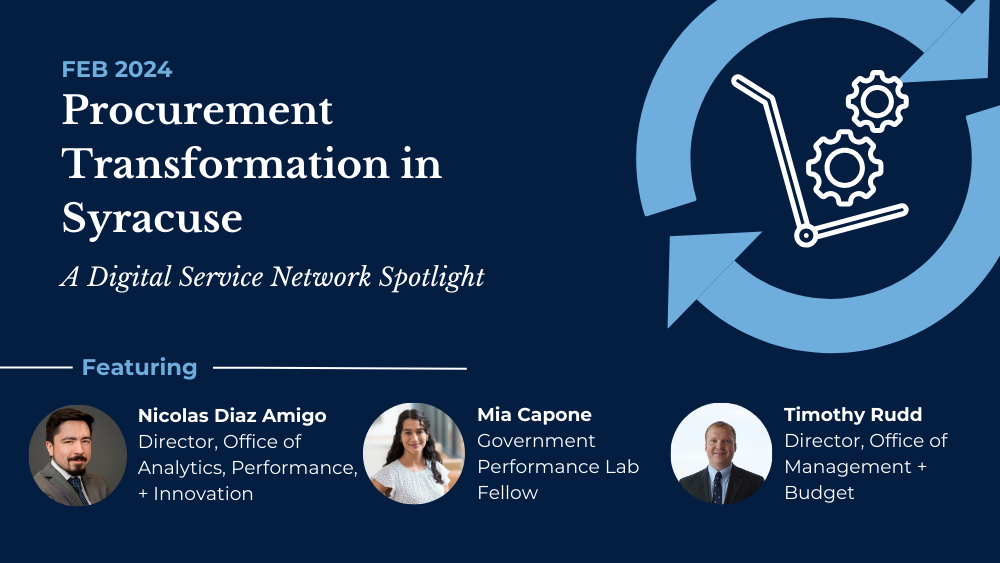
The Digital Service Network (DSN) spoke with API Director Nicolas Diaz Amigo, GPL Fellow Mia Capone, and OMB Director Timothy Rudd to learn more about the City of Syracuse's multi-year procurement transformation initiative.
This landscape analysis examines data, design, technology, and innovation-enabled approaches that make it easier for eligible people to enroll in, and receive, federally-funded social safety net benefits, with a focus on the earliest adaptations during the COVID-19 pandemic.
A practical implementation playbook guiding Healthy Start sites in designing, launching, and evaluating Alumni Peer Navigator (APN) services to improve maternal and child health through peer support and community-based participatory design.
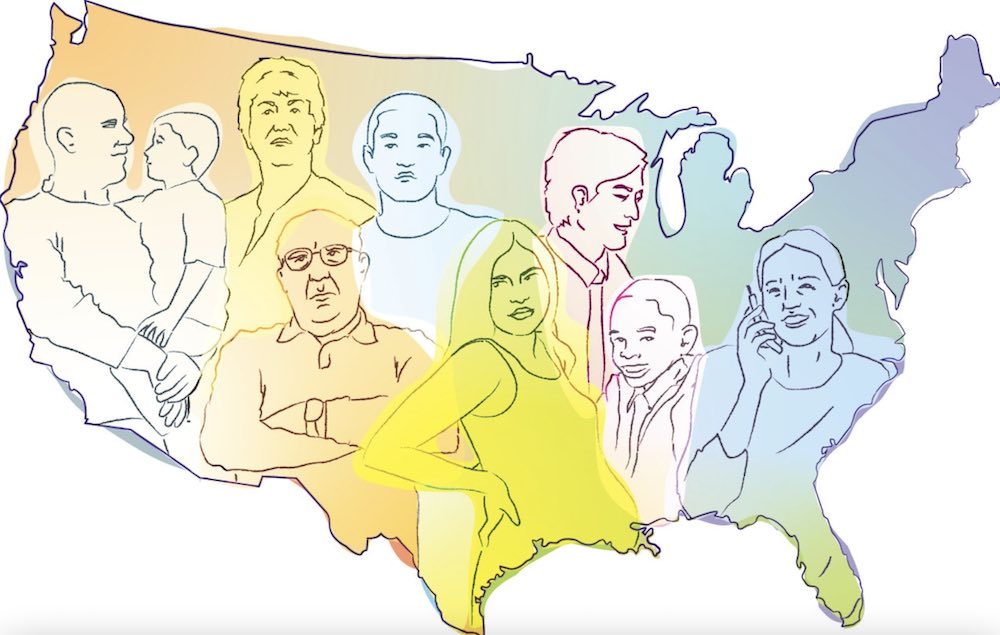
This article discusses Code for America’s research into the user experience of applying or Medicaid, SNAP, TANF, WIC, and LIHEAP in the United States. They found that user experience applying for benefits programs varies greatly by (and often within) each state.