The Performance.gov team hosted a webinar featuring federal customer experience (CX) changemakers from across government and focused on the nine CX projects that aim to address pain points learned about through human-centered design research.
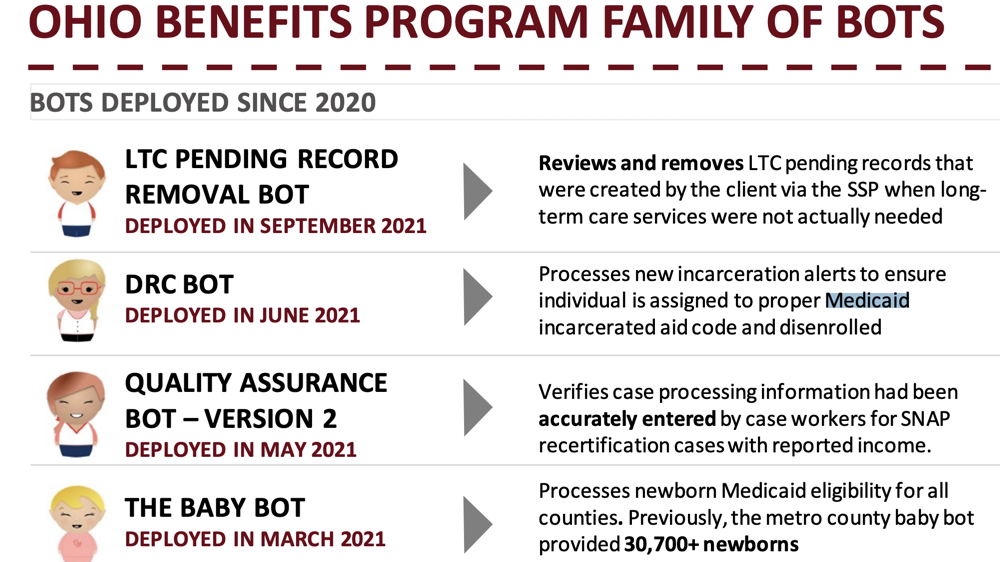
This award documentation from the National Association of State Chief Information Officers (NASCIO) explains how agencies in Ohio used automation to support administration of public benefits programs.
National Association of State Chief Information Officers (NASCIO)
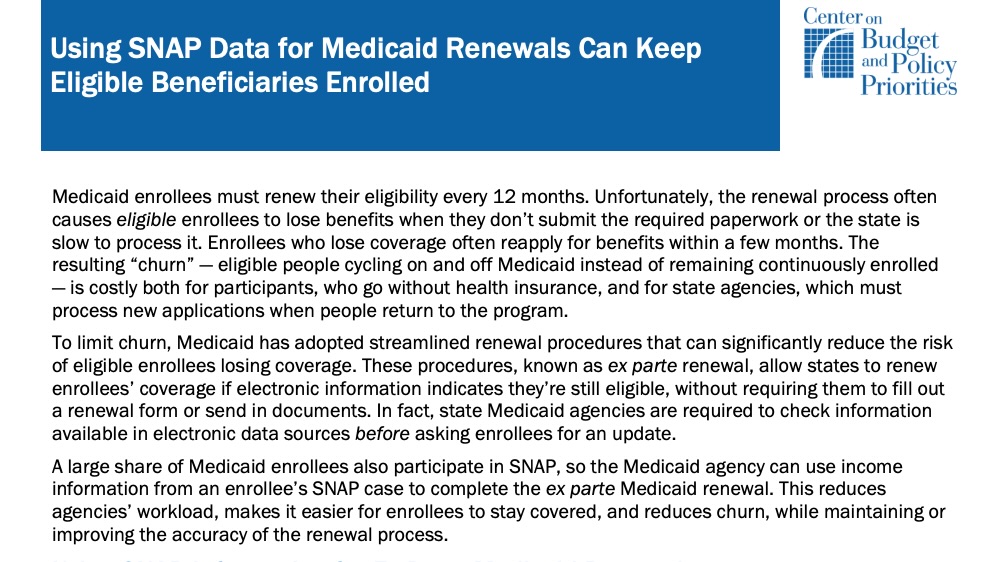
The report discusses how state Medicaid agencies can utilize Supplemental Nutrition Assistance Program (SNAP) data to streamline the Medicaid renewal process, thereby maintaining coverage for eligible beneficiaries.
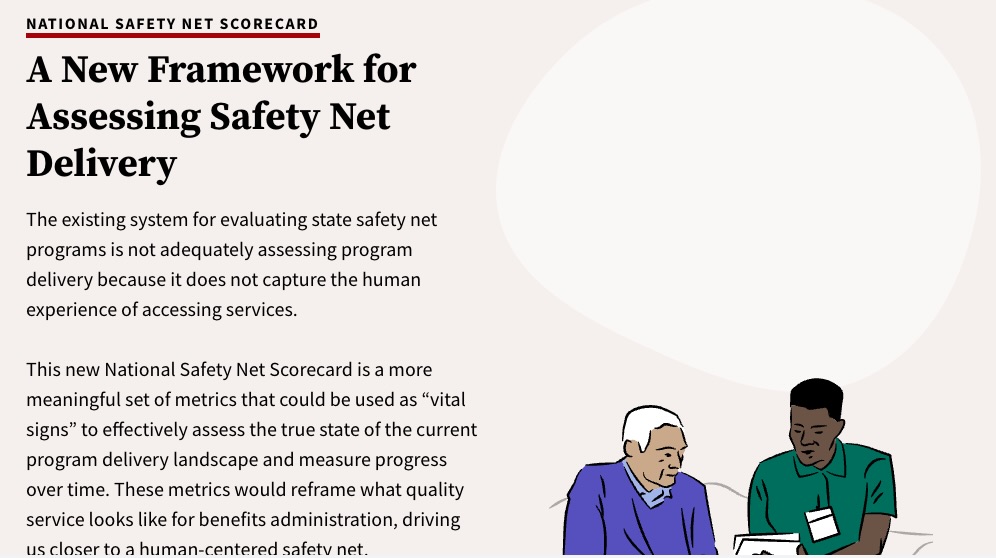
The existing system for evaluating state safety net programs does not adequately capture the human experience of accessing services. This new National Safety Net Scorecard is a more meaningful set of metrics that can effectively asses the true state of the current program delivery landscape and measure progress over time, creating a more human-centered safety net.
This charter defines the goals, scope and organization of the “Integrated Service Delivery (ISD) Product Office” charged with planning, implementing, governing, and managing all business transformation, change, and systems modernization efforts related to integrated service delivery, focused initially on integrated eligibility and enrollment.
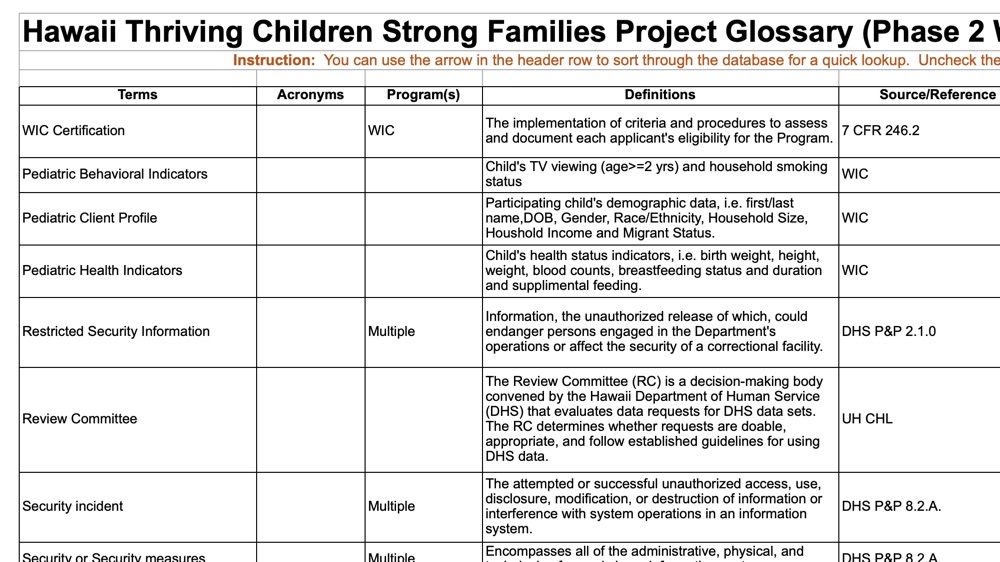
his document defines key terms, acronyms, and data elements used in Hawaii's SNAP and WIC data integration project to support cross-program collaboration and data standardization.
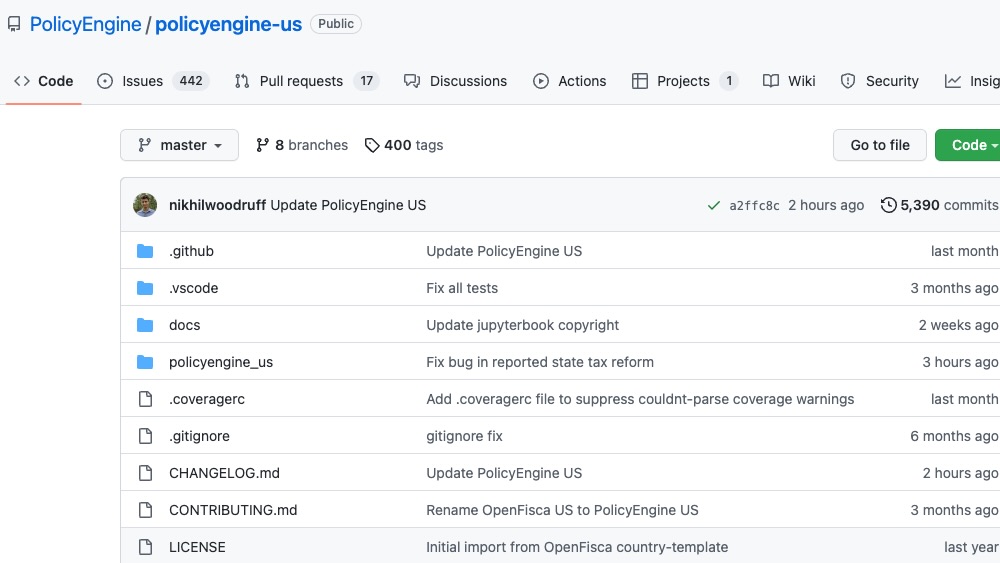
PolicyEngine US is a Python-based microsimulation model of the US tax and benefit system. It models federal individual income taxes (including credits), major benefit programs, and state income taxes (currently in six states). The PolicyEngine US package can be used as a Python package, via the PolicyEngine API, or via the policyengine.org web app.
Through the Coordinating SNAP & Nutrition Supports program, Mecklenburg County, NC leveraged a Food Security Navigator model and data analysis to increase access to nutrition supports. This report documents best practices and lessons learned from their project.
American Public Human Services Association (APHSA)
This research summary presents findings from a randomized controlled trial demonstrating how mRelief’s simplified SNAP application significantly increases application rates among eligible individuals.
This resource provides examples and practical guides that explain how to use existing regulations and data sharing agreements to transfer client information or eligibility status between benefit programs.
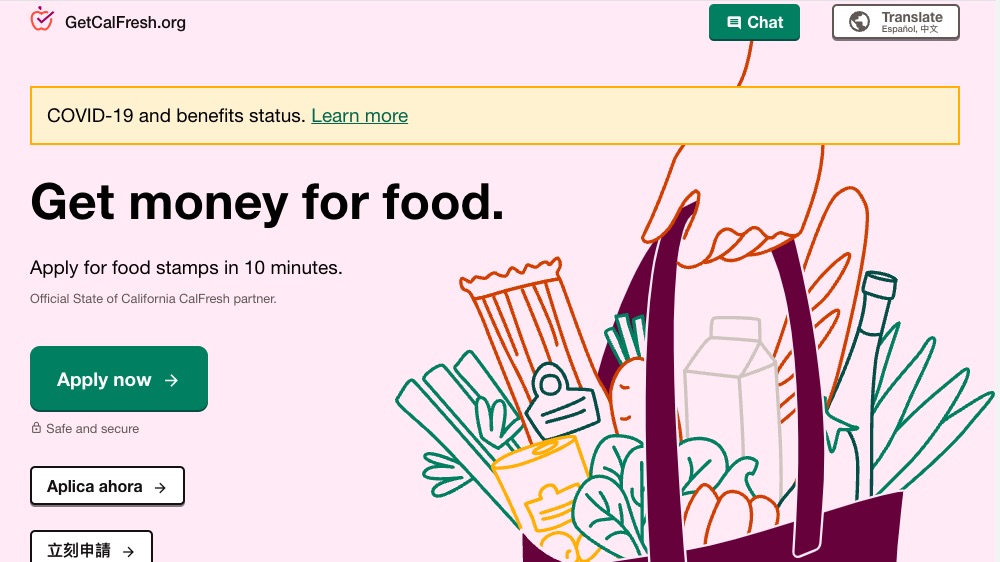
This article describes how Code for America conducted qualitative research within its GetCalFresh application by asking families to tell them about their familial, housing, and financial situations. From client messages, they gathered information regarding how to make changes to their product to keep their work people-centered.