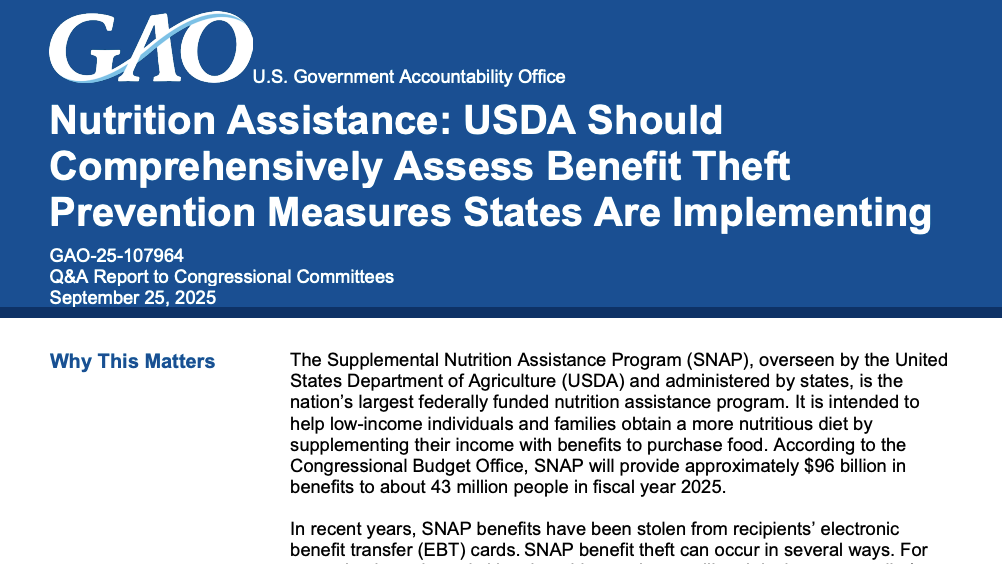
The report reviews the scope and methods of SNAP benefit theft—including card skimming, cloning, phishing, and algorithmic attacks—and examines the effectiveness of state and federal countermeasures.
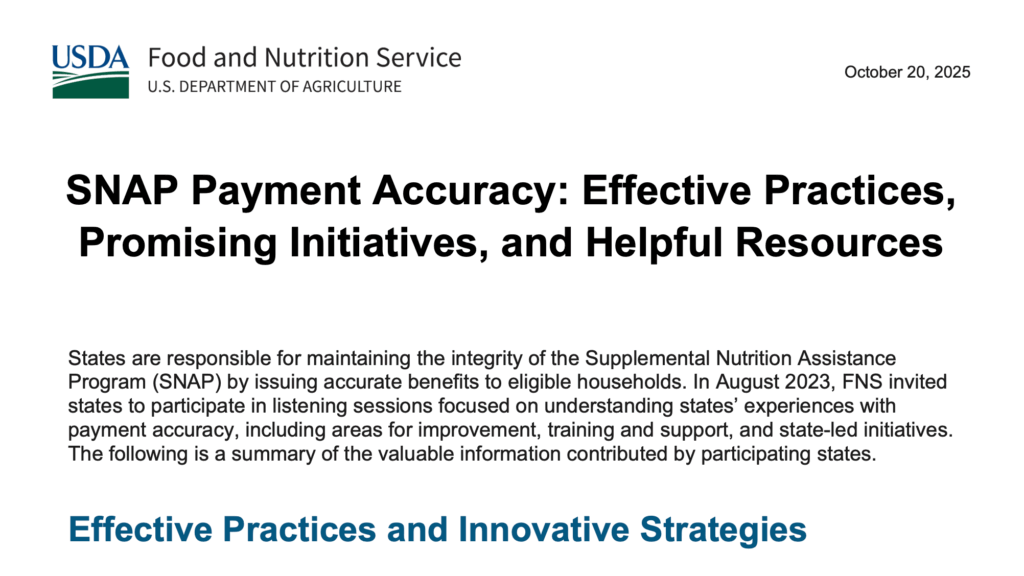
A report summarizing effective state practices, promising initiatives, and federal resources to improve payment accuracy in the Supplemental Nutrition Assistance Program (SNAP).
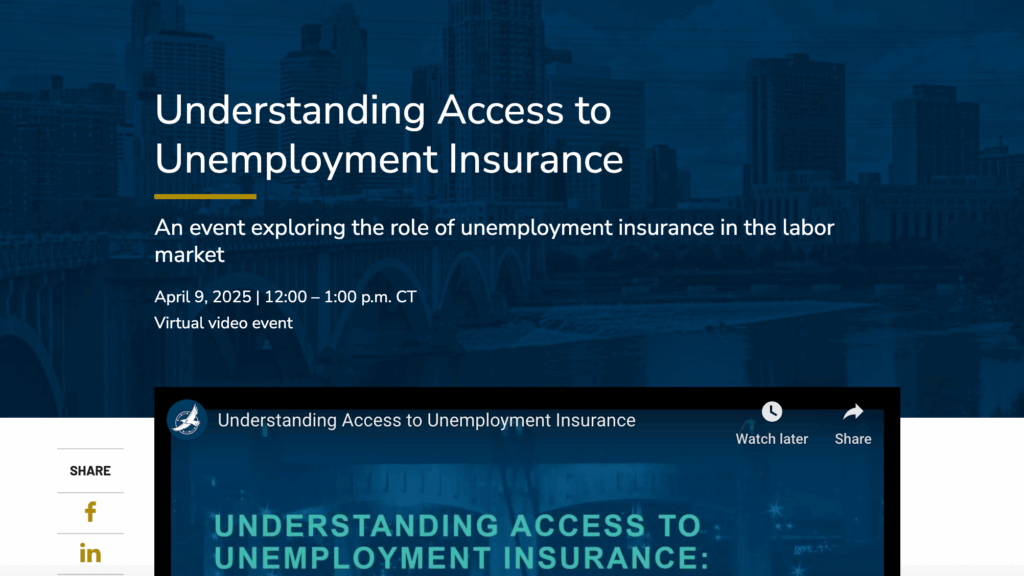
During this event, researchers addressed questions with findings from data collected from state UI agencies across the country and focus groups with women who have experienced unemployment.
Many low-income households lack the savings to weather financial shocks like layoffs, and SNAP plays a crucial role in helping them manage essential expenses during difficult times.
This section of the Department of Labor’s Building Resilience plan focuses on improving customer experience across unemployment insurance (UI) systems by promoting timely, accessible, and equitable service delivery for all claimants.
This section of the Building Resilience plan outlines strategies to help states modernize outdated unemployment insurance (UI) IT systems, making them more modular, secure, fraud-resistant, and user-centered.
This report focuses on the impact of adopting a national PFML program modeled on existing state programs, known as the Family and Medical Insurance Leave (FAMILY) Act.
This report explores policy options Utah and other states can adopt to mitigate benefit cliffs, which occur when small income increases lead to sudden loss of public assistance.
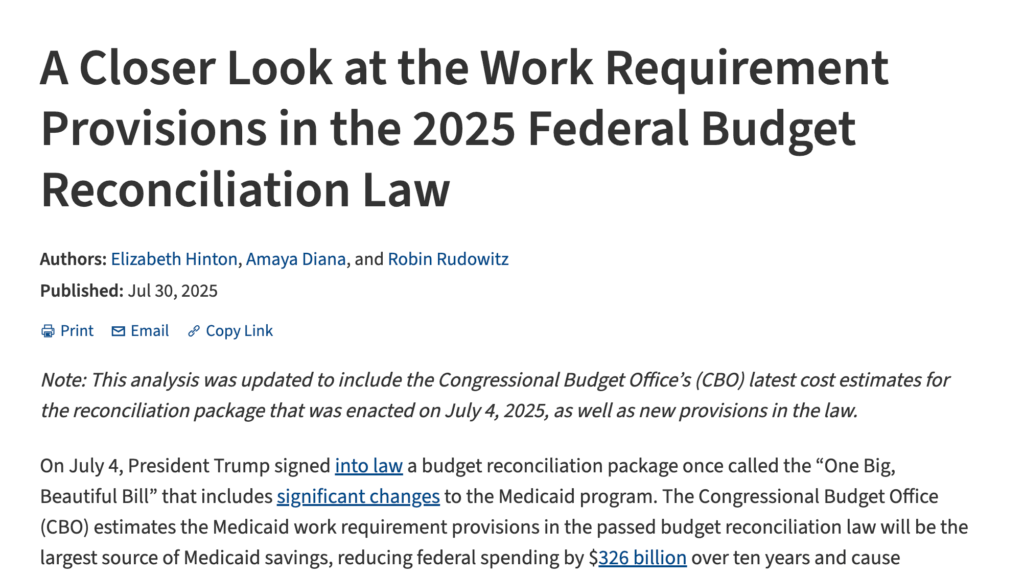
A research brief explaining how work requirements in programs like Medicaid and SNAP reduce coverage, increase administrative costs, and push eligible people deeper into poverty without improving employment outcomes.