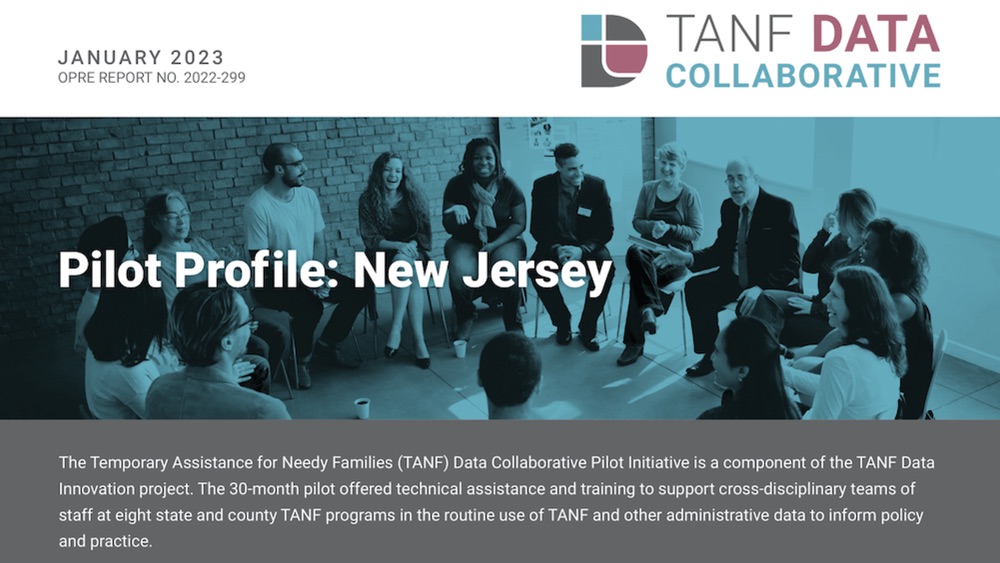
The Temporary Assistance for Needy Families (TANF) Data Collaborative Pilot Initiative is a component of the TANF Data Innovation project. The 30-month pilot offered technical assistance and training to support cross-disciplinary teams of staff at eight state and county TANF programs in the routine use of TANF and other administrative data to inform policy and practice.
There were over 25 million Medicaid disenrollments in 2023, but national enrollment remained significantly above pre-pandemic levels at over 56 million, with notable state-level variations and near-recovery of child enrollment.
An analysis showing that a proposed plan to shift some cost of SNAP benefits to states could push nearly 900,000 additional people into poverty during a recession.
During the COVID-19 pandemic, states utilized temporary Supplemental Nutrition Assistance Program (SNAP) flexibilities to provide emergency benefits and maintain support for households with children missing school meals.
This playbook offers a comprehensive guide to enhancing unemployment benefits systems, focusing on claimant-centric approaches, equitable access, and actionable steps for state agencies.
This research paper examines how stigma shapes participation in U.S. social safety net programs and influences public support for benefit design and access.
This toolkit provides guidance to protect participant confidentiality in human services research and evaluation, including legal frameworks, risk assessment strategies, and best practices.
U.S. Department of Health and Human Services (HHS)
This report explores how public benefit systems can better support young adults by addressing the barriers they face in accessing and maintaining vital services like SNAP, Medicaid, and WIC.
This article examines the concept of "viral cash" and suggests that the future growth of basic income programs will depend on advocacy networks rather than traditional policy diffusion across jurisdictions.
This report calculates the cumulative impact of major benefit programs on two types of families and how their benefits change as they move into the labor market and climb the ladder of upward mobility.