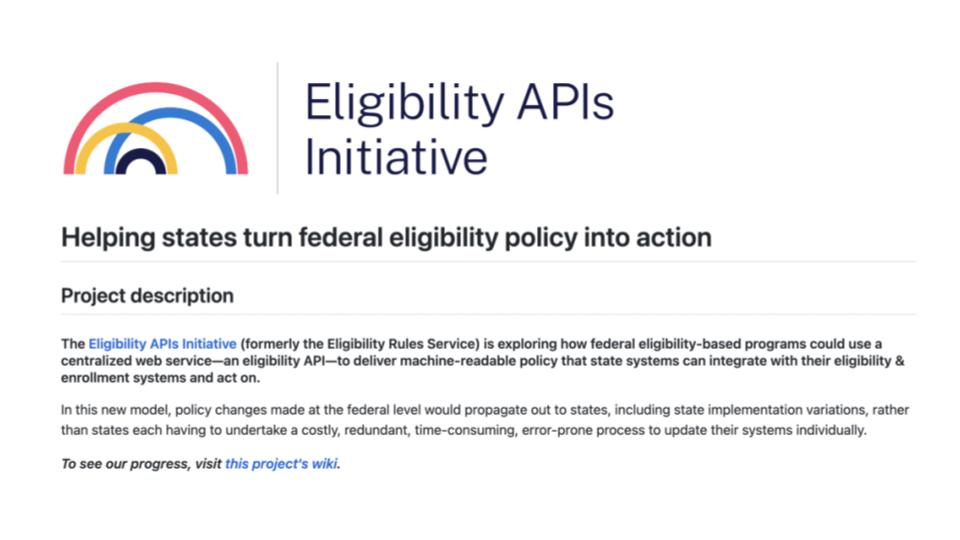
18F, a consultancy within the U.S. General Services Administration, developed a prototype API and pre-screener to model federal SNAP eligibility rules, aiming to simplify benefits access through open-source technology.
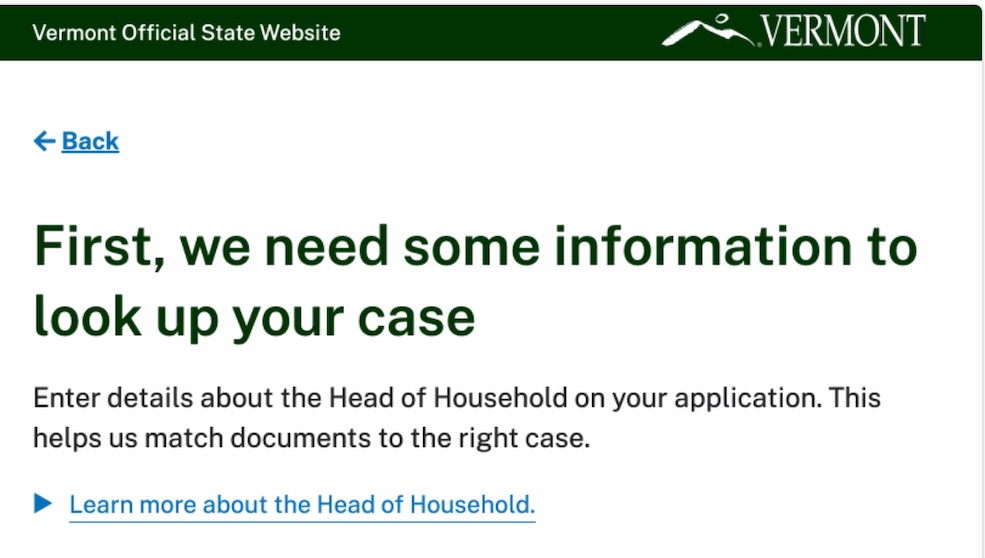
Nava built flexible and reusable software and design components to make it easier for Vermonters to access their benefits. These components support Vermont’s long-term vision of integrating eligibility and enrollment processes for all of the state’s healthcare and financial benefit programs.
This paper concludes that the substantial COVID-19 unemployment insurance expansion had limited disincentive effects on job searches, particularly among lower-income individuals, despite high wage replacement rates.
This report calculates the cumulative impact of major benefit programs on two types of families and how their benefits change as they move into the labor market and climb the ladder of upward mobility.
Presentation covering the findings of a research study analyzing the structural and budgetary layout of of eleven US-based Digital Service Teams (DSTs) at the municipal, county, and state levels.
This research study analyzes the structural and budgetary layout of eleven US-based Digital Service Teams (DSTs) at the municipal, county, and state levels. In doing so, it sets out to answer the research question: “How are digital service teams structured and funded?”
The New York State WIC program website provides access to nutritious foods, nutrition education, breastfeeding/chestfeeding support, and referrals to eligible pregnant, breastfeeding, and postpartum individuals, infants, and children up to age five.
This paper outlines the need for comprehensive reforms to improve the U.S. government's capacity to effectively implement policies, focusing on reducing bureaucratic inefficiencies, enhancing workforce structures, and leveraging digital infrastructure.
This section of the Building Resilience plan outlines comprehensive strategies to help states prevent, detect, and recover unemployment insurance (UI) fraud while protecting legitimate claimants.