This report outlines strategies states can adopt to improve access to SNAP, Medicaid, and WIC programs by leveraging policy options, data coordination, and streamlined service delivery.
This report presents new national survey data showing how benefits cliffs and asset limits negatively affect the economic mobility of low-wage workers in the U.S.
Outlines recommendations from the U.S. House of Representatives for the responsible adoption, governance, and oversight of artificial intelligence technologies across state agencies.
Bipartisan House Task Force on Artificial Intelligence
The report examines how AI deployment across state and local public administration such as chatbots, voice transcription, content summarization, and eligibility automation are reshaping government work.
A framework that helps policy and digital service teams interpret legislation by identifying user needs, intent, and implementation challenges to support more effective, human-centered government service delivery.
A case study documenting how a human-centered claimant portal was developed for the New Jersey Department of Labor (NJDOL) to modernize unemployment insurance access using agile development and API technology.
Digital IDs can improve convenience, but they risk surveillance, data misuse, and exclusion if not designed with privacy, security, and accessibility safeguards.
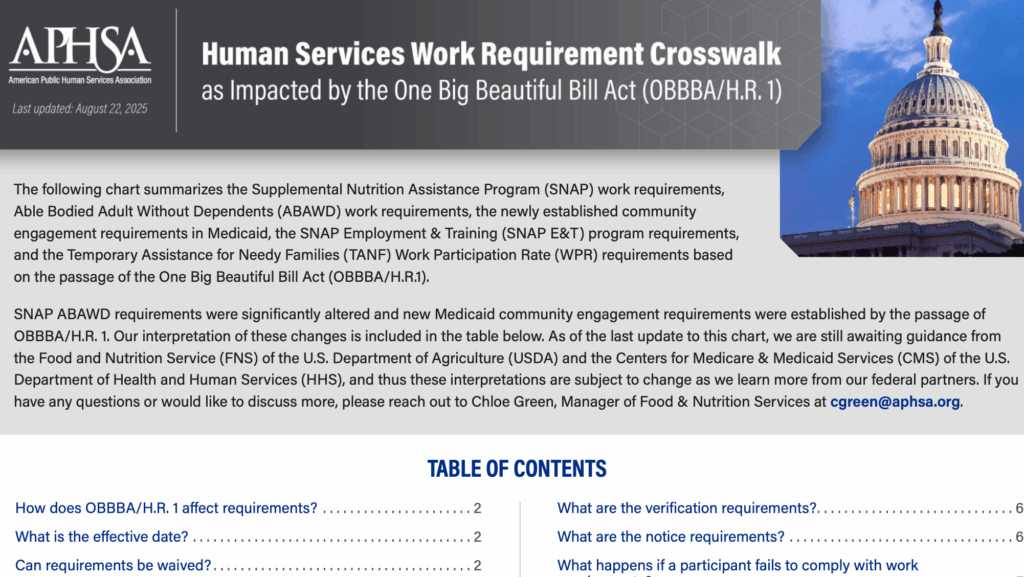
This crosswalk compares provisions in H.R. 1 with existing human services policies, focusing on how proposed federal work requirements could affect programs like TANF, SNAP, and Medicaid.
American Public Human Services Association (APHSA)
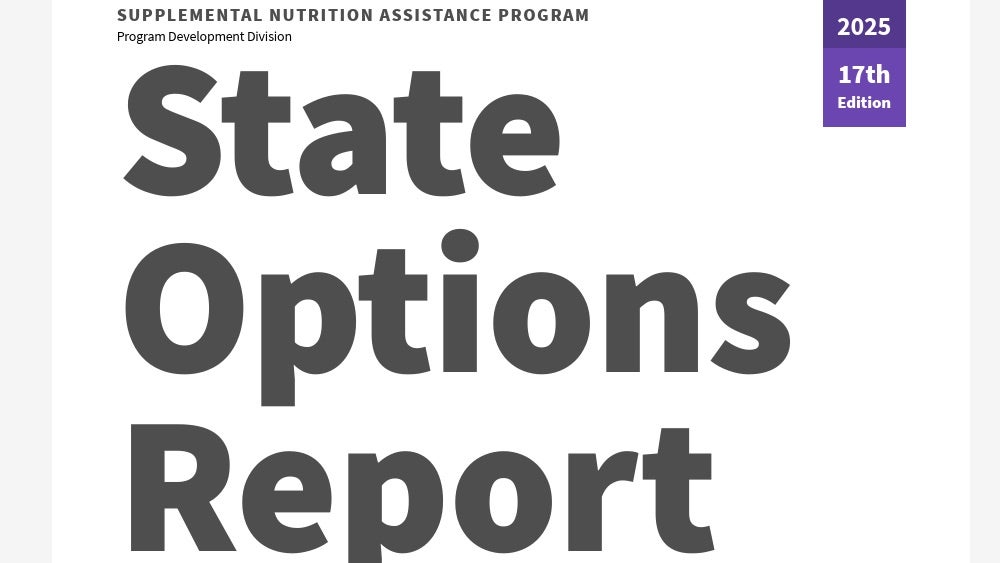
This report catalogs the policy choices, demonstration projects, and waivers each state uses to administer SNAP, highlighting how states adapt federal rules to local needs.
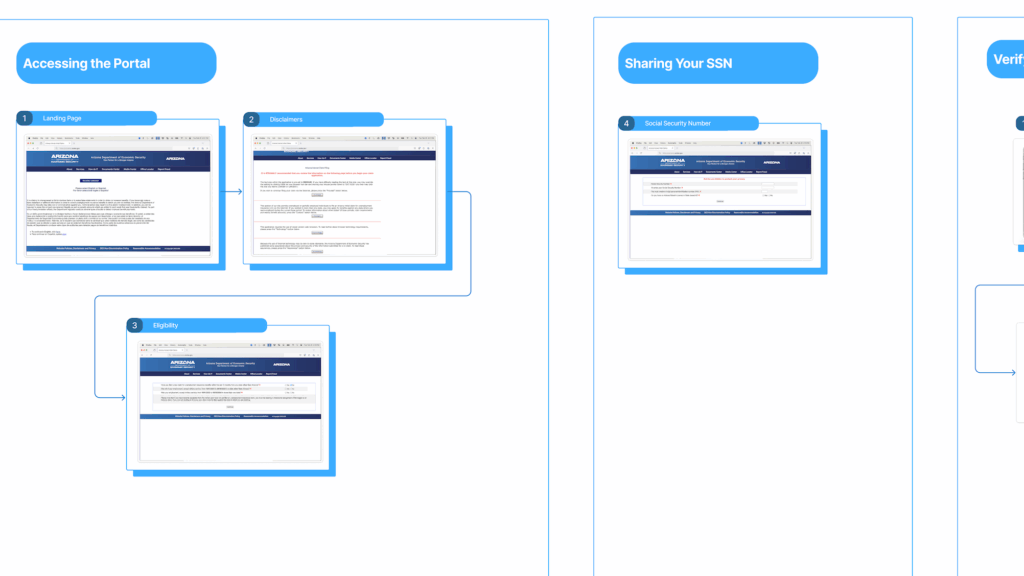
Created for use in the Digital Doorways research project, this design stimuli shows the steps of submitting an application, sharing personal information, and verifying identity for Arizona's online application for Unemployment Insurance.
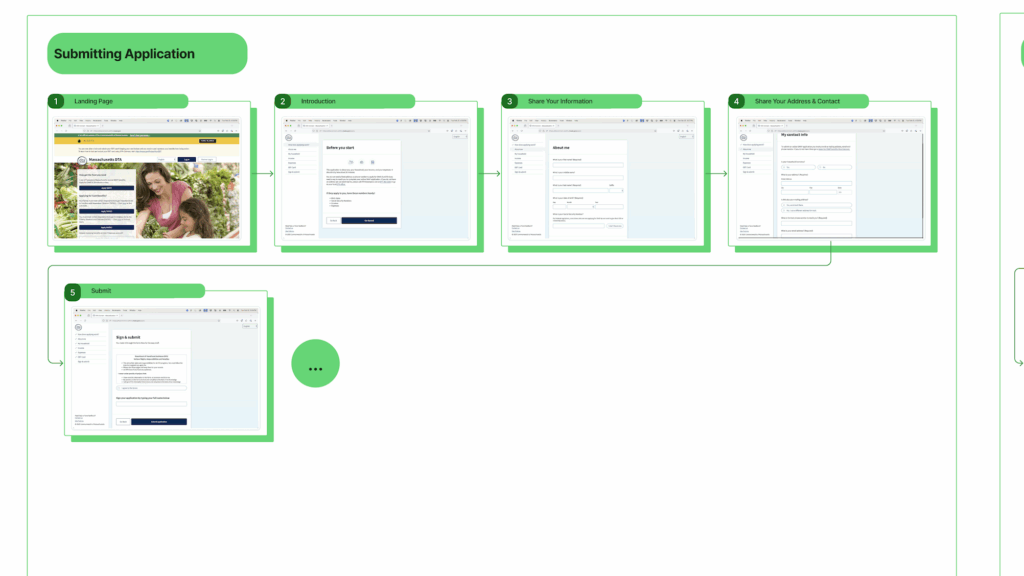
Created for use in the Digital Doorways research project, this design stimuli shows the steps of submitting an application, sharing personal information, and verifying identity for Massachusetts' online application for SNAP benefits.
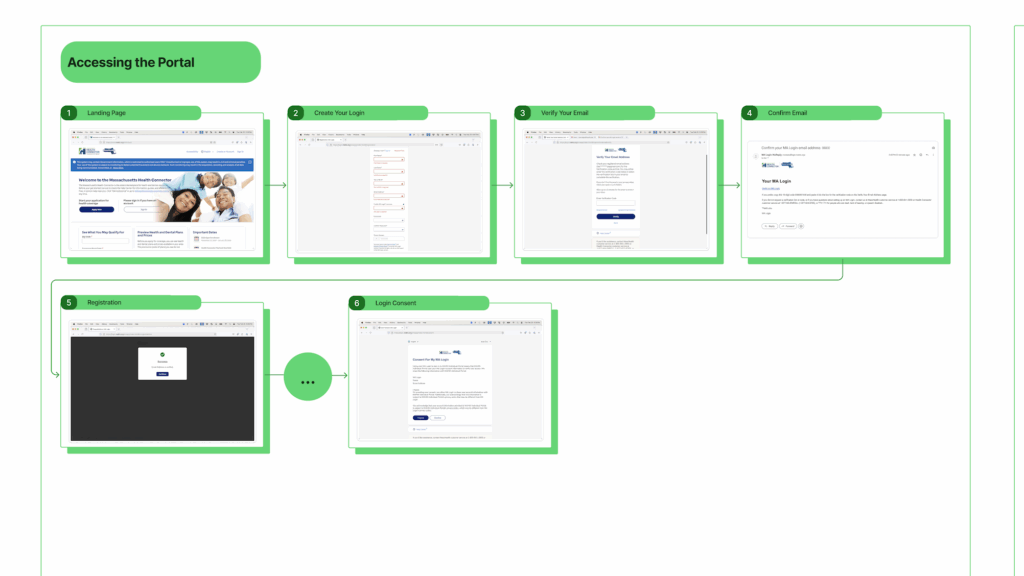
Created for use in the Digital Doorways research project, this design stimuli shows the steps of submitting an application, sharing personal information, and verifying identity for Massachusetts' online application for Medicaid.