This resource highlights strategies for integrating benefits renewals and correspondence, potentially reducing administrative burdens for both clients and caseworkers.
This report examines how the U.S. federal government can enhance the efficiency and equity of benefit delivery by simplifying eligibility rules and using a Rules as Code approach for digital systems.
This study examines how bureaucratic interactions differ among public assistance programs—WIC, SNAP, and Medicaid—highlighting variations in participant experiences and the psychological costs associated with each.
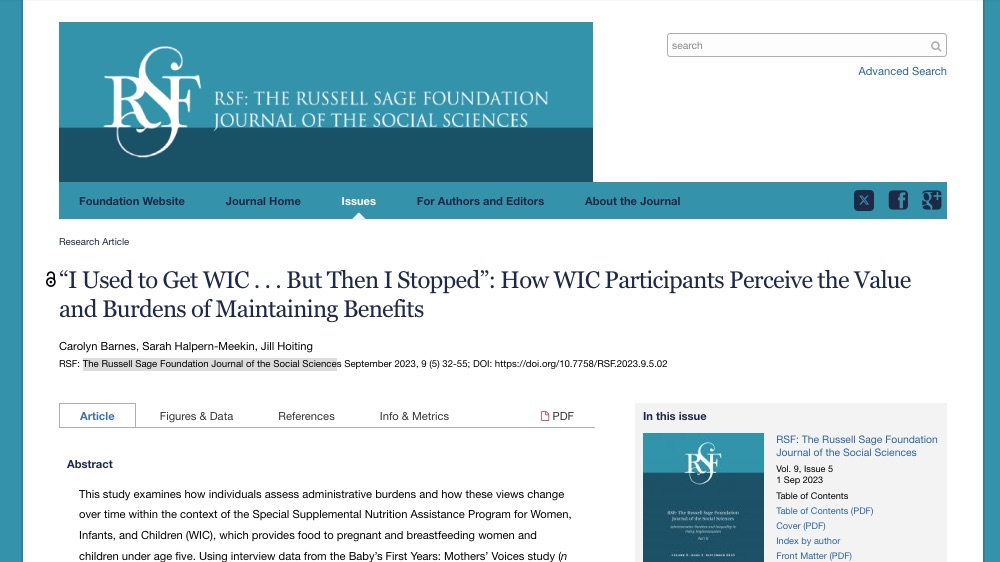
This study examines how individuals assess administrative burdens and how these views change over time within the context of the Special Supplemental Nutrition Assistance Program for Women, Infants, and Children (WIC).
Through our research understanding the government digital service field and what workers in this field need, we want to help strengthen those existing roles and establish more pathways for promotion and career support, as well as help other teams recognize the value of these skills and create new roles.
A modern system that helps people learn about, apply for, and gain access to affordable housing. Bloom Housing is an open source platform that digitizes the process of finding and applying for affordable housing, turning a time-consuming paper process into a 15 minute activity from one's smartphone or computer.
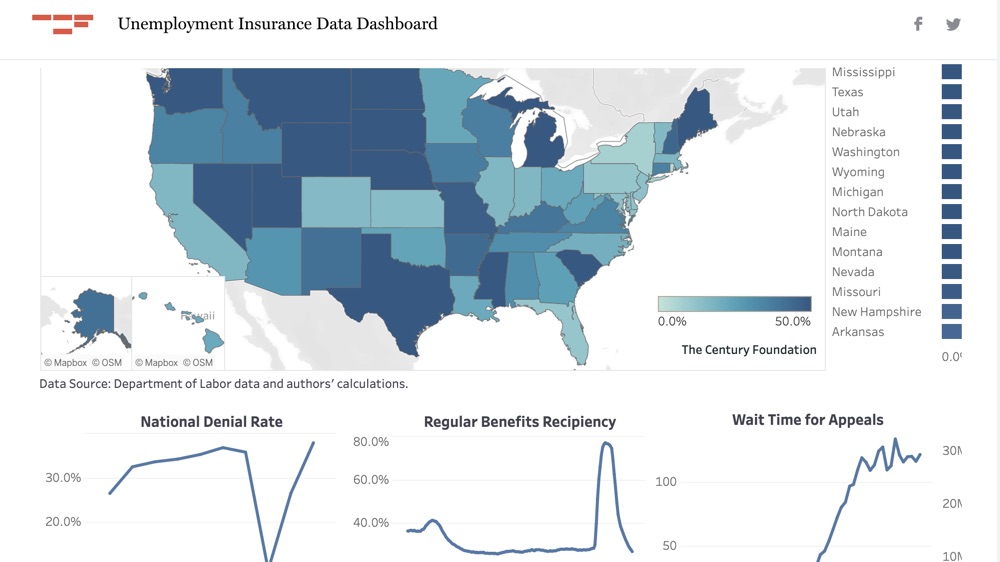
This dashboard highlights key performance indicators for UI systems nationwide, including how they perform during the current economic crisis, the impact of the CARES Act benefits expiring, the timeline for which benefits are delivered, demographics of benefits recipients, and total benefits payments.