This publication explains current state integrated eligibility and enrollment (IEE) system implementation processes, approaches, and opportunities for future processes and technologies. It is a resource for state officials, advocates, funders, and tech partners working to implement these systems.
This report provides human-centered design templates and implementation guidance to help states integrate Medicaid work requirement questions into benefits applications while minimizing administrative burden and coverage loss.
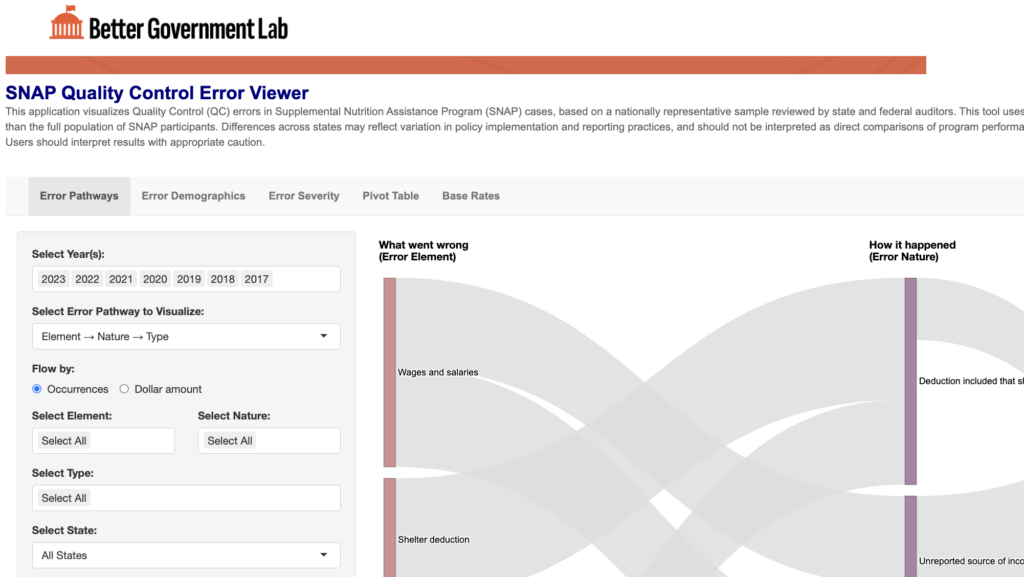
An interactive dashboard that allows users to explore Supplemental Nutrition Assistance Program (SNAP) Quality Control data to better understand payment errors, eligibility issues, and administrative performance across states.
This paper evaluates the technical vendor landscape as states prepare to implement Medicaid work requirements mandated by the H.R. 1 reconciliation law.
This presentation, from the Data Sharing Working Group, highlights a Michigan Department of Health and Human Services and Benefits Data Trust project to increase enrollment in the Women, Infants, and Children (WIC) program.
This resource provides an overview of the Supplemental Nutrition Assistance Program Employment & Training (SNAP E&T) program, highlighting state implementation strategies, funding mechanisms, and policy opportunities to strengthen workforce participation among SNAP recipients.
American Public Human Services Association (APHSA)
In this webinar, a panel of experts discuss what states can do right now to improve EBT security, how to use data to analyze theft patterns, and how EBT payment technology needs to evolve to ensure efficiency, security, and dignity for beneficiaries.
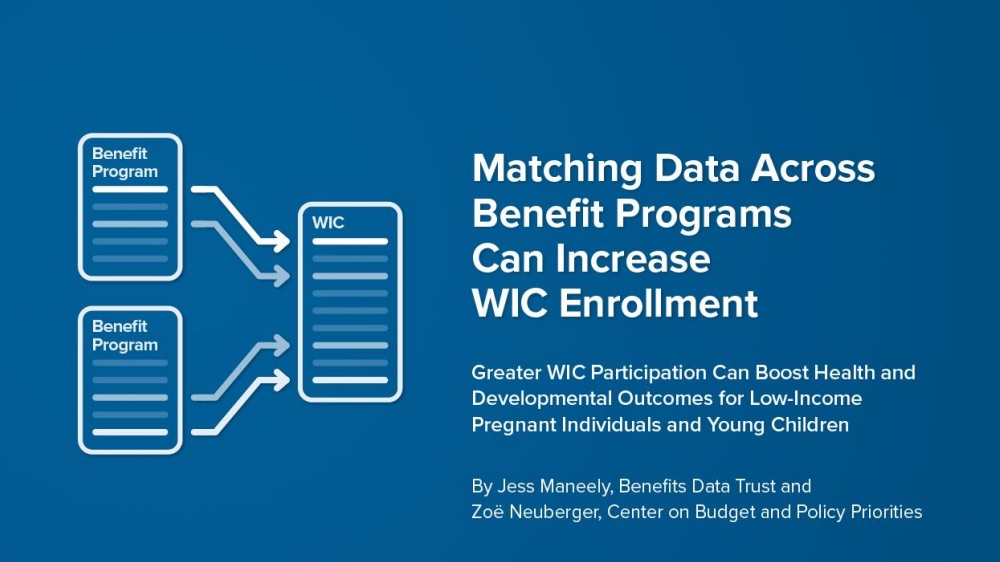
This case study highlights how states used data sharing and targeted outreach to boost WIC enrollment among Medicaid and SNAP participants, improving program reach and reducing disparities.
This technical guide provides a framework for state agencies to minimize procedural terminations and health coverage losses resulting from new Medicaid work reporting requirements.
An event recap from one of FormFest 2025’s breakout sessions featuring speakers from Code for America and Arizona’s Department of Economic Security (DES).
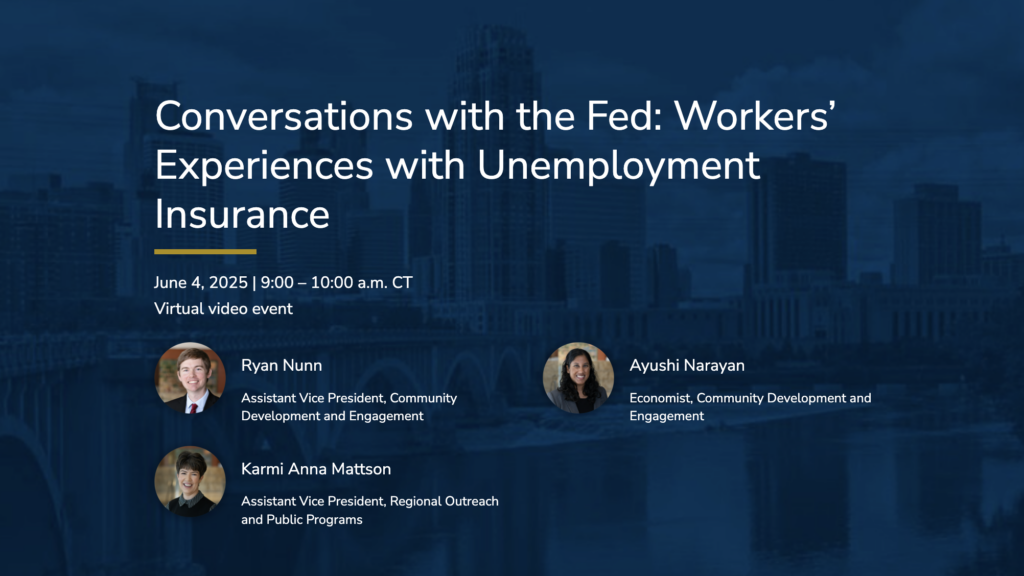
A public event that explored workers’ real-world experiences with unemployment insurance systems, focusing on barriers, inequities, and policy insights from their perspectives.