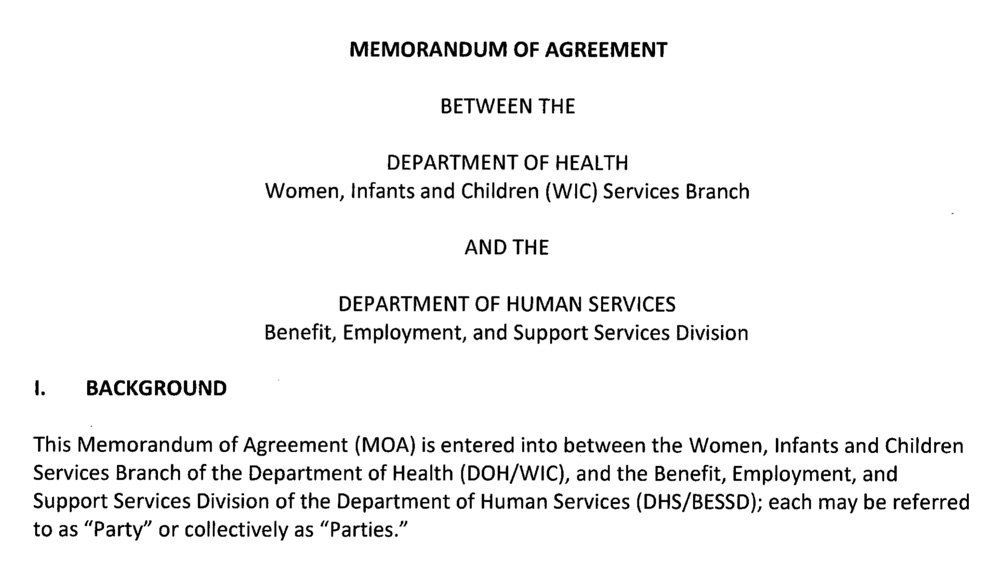
This MOA outlines Hawai'i's legal data sharing agreement between the Women, Infants and Children Services Branch of the Department of Health (DOH/WIC), and the Benefit, Employment and Support Services Division of the Department of Human Services (DHS/BESSD) to exchange SNAP and WIC data.
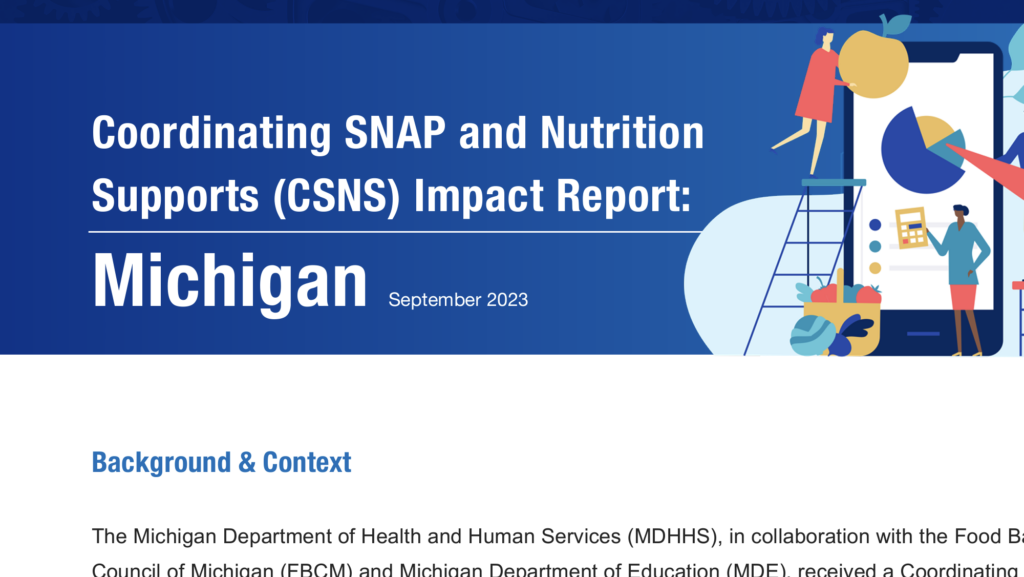
The Michigan Department of Health and Human Services, together with the Food Bank Council of Michigan and the Michigan Department of Education developed a comprehensive Food Insecurity Map and a closed-loop referral system for nutrition and economic supports.
American Public Human Services Association (APHSA)
In this panel conversation, presenters at the Better Identity Coalition’s 2022 policy forum “Identity, Authentication, and the Road Ahead” discuss the challenges of identity verification and access in pandemic unemployment benefits.
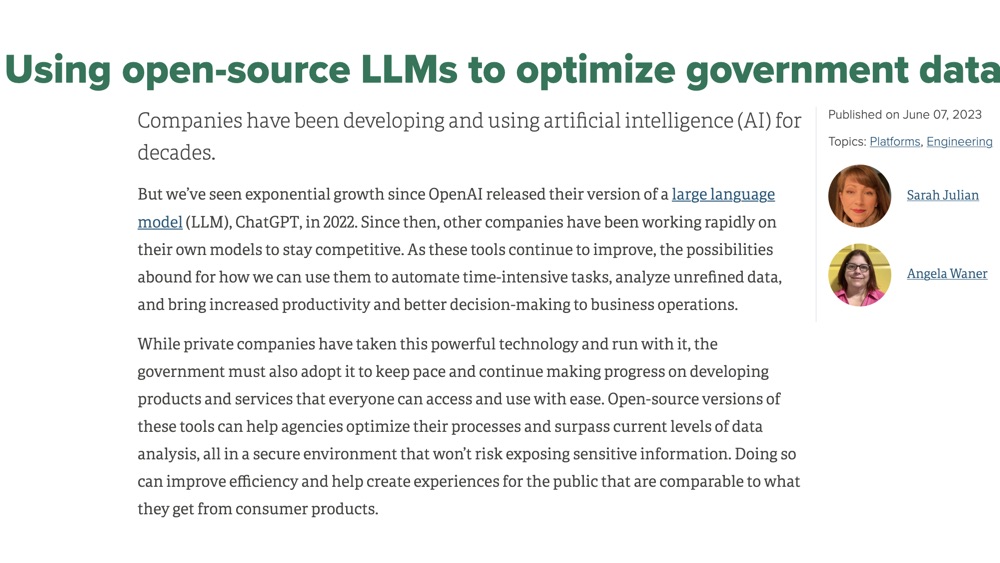
Companies have been developing and using artificial intelligence (AI) for decades. But we've seen exponential growth since OpenAI released their version of a large language model (LLM), ChatGPT, in 2022. Open-source versions of these tools can help agencies optimize their processes and surpass current levels of data analysis, all in a secure environment that won’t risk exposing sensitive information.
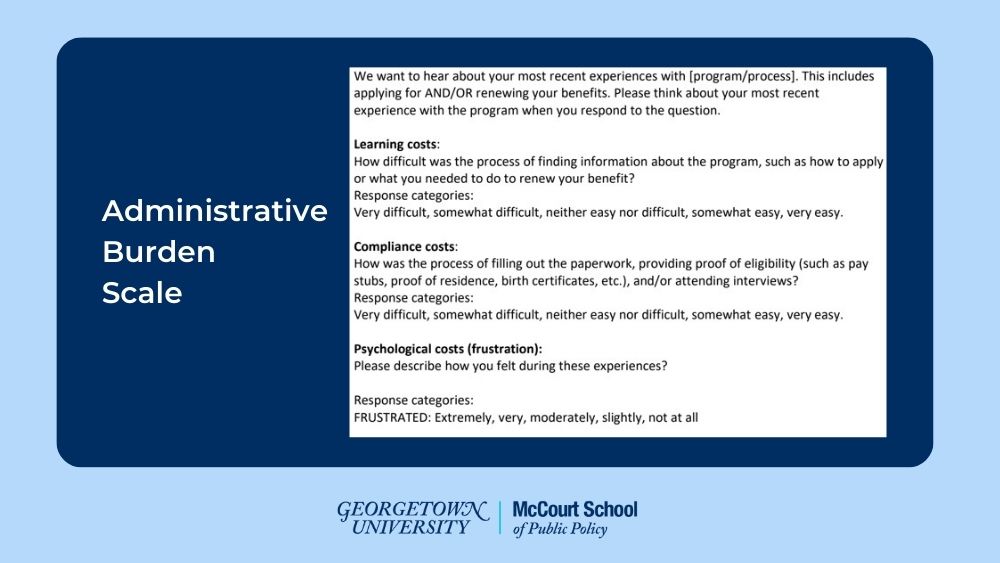
The Better Government Lab at the McCourt School of Public Policy at Georgetown University has developed a new scale for measuring the experience of burden when accessing public benefits. They offer both a three-item scale and a single-item scale, which can be utilized for any public benefit program. The shorter scales provide a less burdensome way to measure by requiring less information from users.
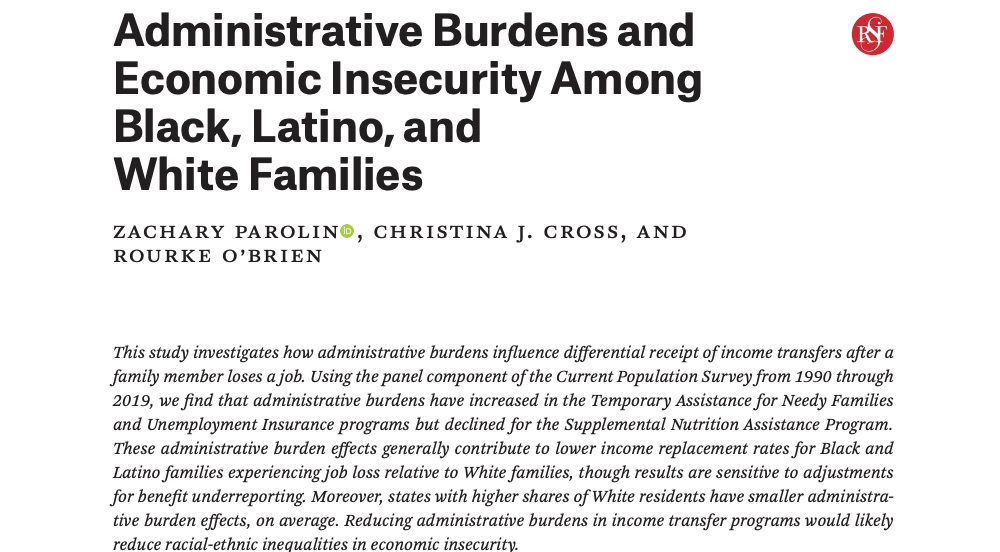
This study investigates how administrative burdens influence differential receipt of income transfers after a family member loses a job, looking at Unemployment Insurance, Temporary Assistance for Needy Families, and the Supplemental Nutrition Assistance Program.
This study evaluates the use of RPA technology by three states to automate SNAP administration, focusing on repetitive tasks previously performed manually.
This report summarizes findings and observations on the implementation of Phase 1 of the U.S. Department of Labor’s Open UI Initiative, highlighting effective strategies, challenges, opportunities, and recommendations for supporting states’ UI modernization efforts.
Based on state agency survey responses, this report summarizes key findings from the first calendar year of pandemic response and provides policy considerations for the future of SNAP.
American Public Human Services Association (APHSA)
This page includes data and observations about authentication and identity proofing steps specifically for online applications that include child care applications.