This publication explains the fundamentals of state IEE systems—including the technology, opportunities, risks, and stakeholders involved. It is a resource for state officials, advocates, funders, and tech partners working to implement these systems.
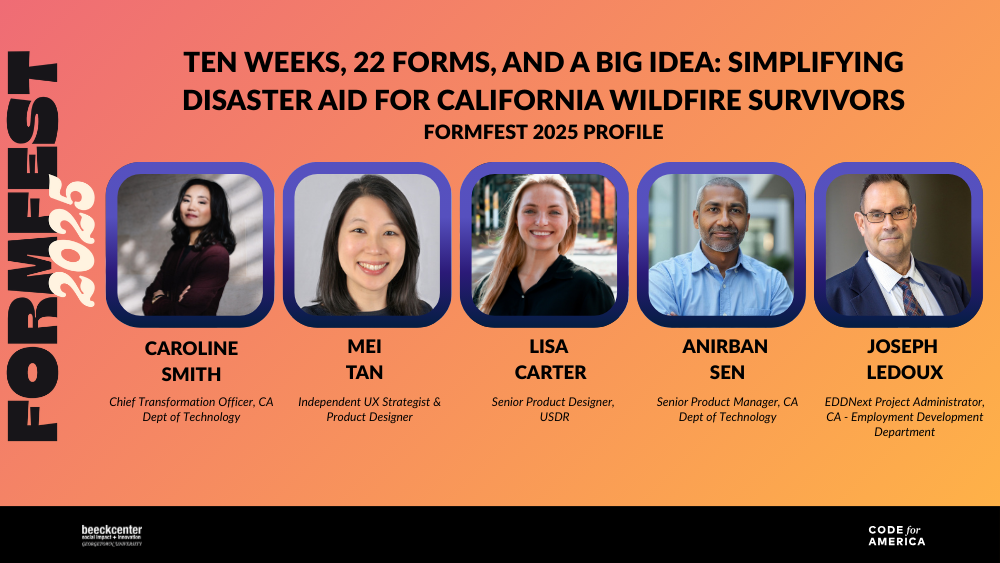
This FormFest profile describes how California rapidly simplified disaster-aid processes for wildfire survivors by auditing 22 forms across eight agencies and developing a concept for a universal eligibility form and relief portal.
Recapping the work and achievements of the Digital Benefits Network (DBN), Digital Service Network (DSN), and the State Chief Data Officers Network (CDO) in 2025.
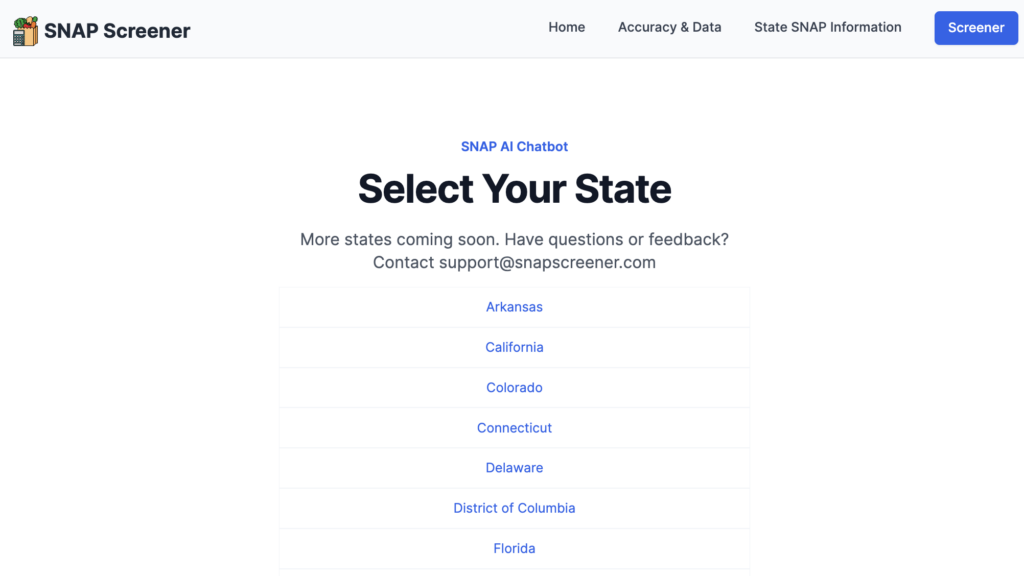
An interactive chatbot that helps SNAP participants and the public ask questions and receive guidance about SNAP work and community engagement requirements in conversational form.
A case study explaining how a predictive, data-driven machine-learning model was developed to detect unauthorized cash benefit withdrawals more quickly and accurately in California.
This publication summarizes a body of research about how state benefits administering agencies build and maintain integrated eligibility and enrollment (IEE) systems. It is an easy to reference guide for state administrators, legislators, advocates, and delivery partners.
A reusable UI design template showcasing key interface patterns, components, and layout structures for the Seattle Next Move digital service to support consistent, user-centered design across screens.
Making your service more inclusive means designing government services so that everyone who needs to use them can do so with as few barriers as possible, by understanding legal duties, identifying and removing exclusion points, and considering a wide range of user needs throughout the design process.
A practical example showing how to estimate and structure firm-fixed-price costs for agile software development task orders using iteration-based pricing and performance metrics.
This issue brief examines how limited English proficiency creates barriers to enrolling in and accessing Medicaid and CHIP, and how states provide language access services to address these challenges.
An evaluation report assessing the performance of “Consult,” an AI-powered tool developed by the UK government’s Incubator for AI (i.AI), to analyse public consultation responses for the Scottish Government.
Government of Scotland Department for Science, Innovation and Technology (DSIT)