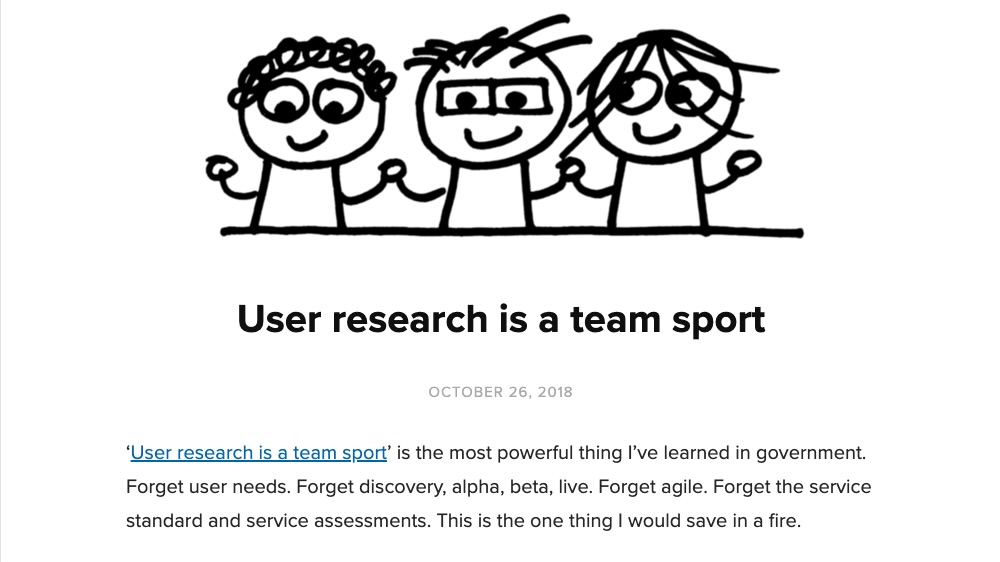
User research requires working as a team, since it necessitates running sessions with participants, observing and moderating research sessions, analyzing and synthesizing results, as well as communicating results effectively.
In this piece, the Digital Benefits Network shares several sources—from journalistic pieces, to reports and academic articles—we’ve found useful and interesting in our reading on automation and artificial intelligence.
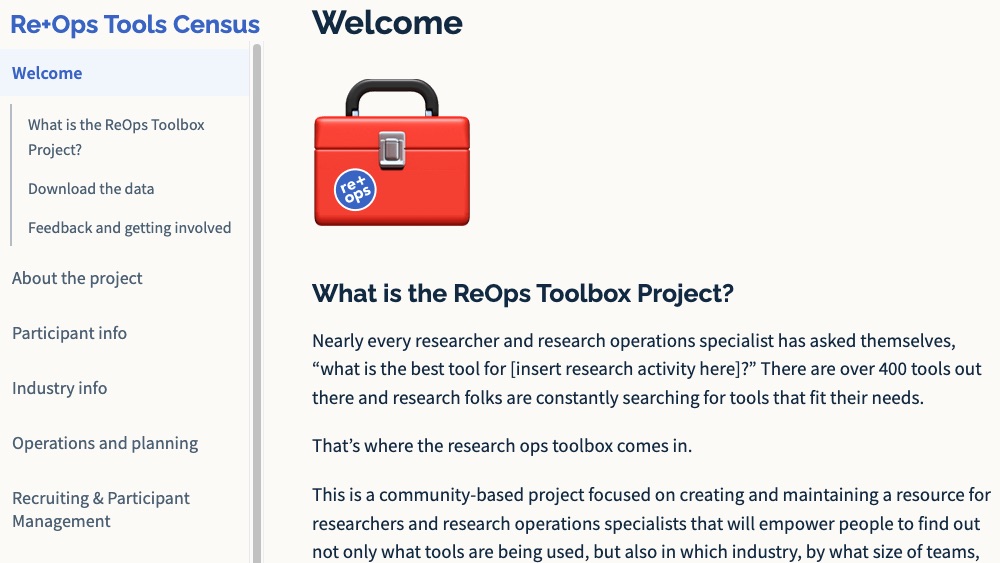
This is a community-based project focused on creating and maintaining a resource for researchers and research operations specialists that will empower people to find out not only what tools are being used, but also in which industry, by what size of teams, and where in the world.
Through a field scan, this paper identifies emerging best practices as well as methods and tools that are becoming commonplace, and enumerates common barriers to leveraging algorithmic audits as effective accountability mechanisms.
ACM Conference on Fairness, Accountability, and Transparency (ACM FAccT)
This guide discusses general characteristics shared by organizations that have successfully created accessible content, and includes case studies that showcase characteristics of successful accessible content teams.
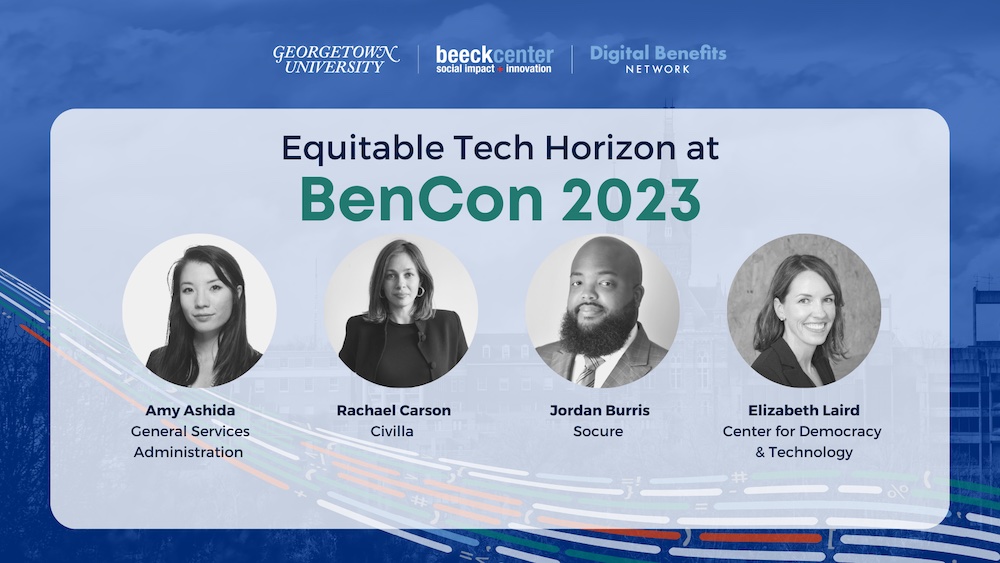
Hear perspectives on topics including centering beneficiaries and workers in new ways, digital service delivery, digital identity, and automation.This video was recorded at the Digital Benefits Conference (BenCon) on June 14, 2023.
APHSA's President and CEO reflects on lessons and opportunities the COVID-19 pandemic highlighted and constructs a national narrative around the moment.
American Public Human Services Association (APHSA)