Better designs should never come at the cost of another person’s wellbeing. Informed consent is a fundamental part of an ethical research program, which respects participants and protects them from harm.
The guidelines for bias-free language contain both general guidelines for writing about people without bias across a range of topics and specific guidelines that address the individual characteristics of age, disability, gender, participation in research, racial and ethnic identity, sexual orientation, socioeconomic status, and intersectionality.
This report explores how despite unresolved concerns, an audit-centered algorithmic accountability approach is being rapidly mainstreamed into voluntary frameworks and regulations.
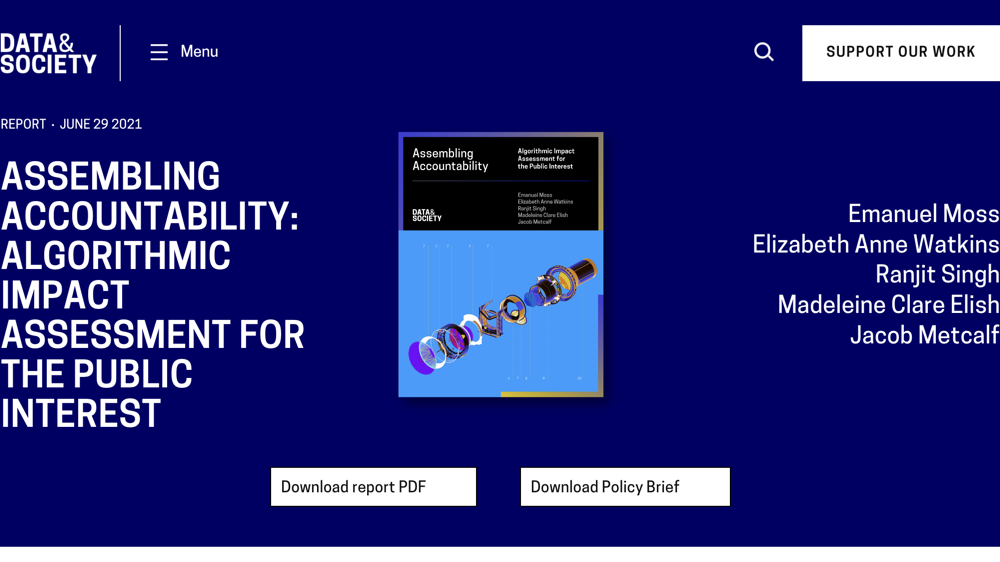
This report offers a critical framework for designing algorithmic impact assessments (AIAs) by drawing lessons from existing impact assessments in areas like environment, privacy, and human rights to ensure accountability and reduce algorithmic harms.
This paper argues that a human rights framework could help orient the research on artificial intelligence away from machines and the risks of their biases, and towards humans and the risks to their rights, helping to center the conversation around who is harmed, what harms they face, and how those harms may be mitigated.
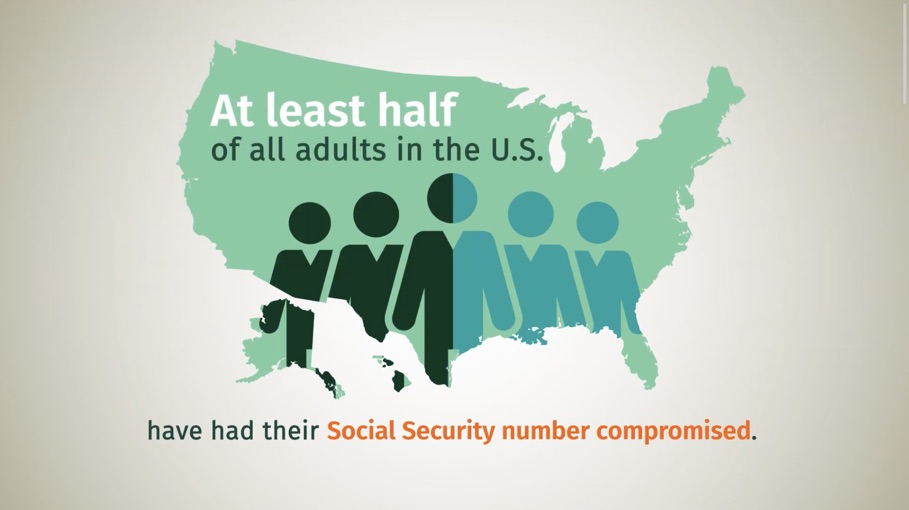
This short explainer video introduces digital identity and argues for modernizing identity systems in the United States, in partnership with government.