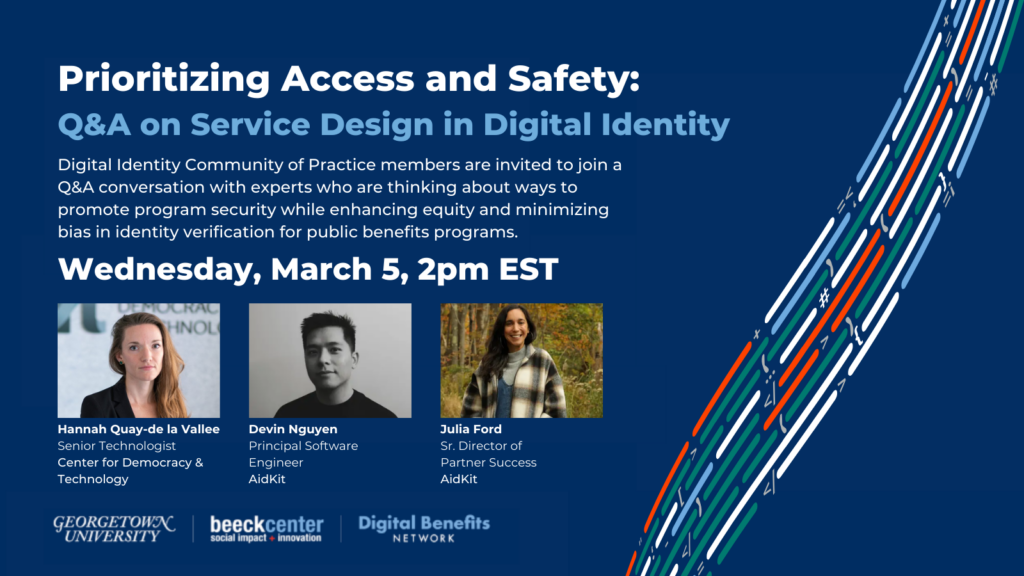
The Digital Benefit Network's Digital Identity Community of Practice held a session to hear considerations from civil rights technologists and human-centered design practitioners on ways to ensure program security while simultaneously promoting equity, enabling accessibility, and minimizing bias.
This blog discusses the 988 Suicide and Crisis Lifeline, a nationwide initiative aimed at providing accessible, immediate support for individuals experiencing mental health crises through the easy-to-remember number 988.
This report shares the progress of the Biden-Harris Administration on health care access, prescription drug affordability, mental health, maternal health, and public health investments.
This article shares insights from Minnesota-based focus groups, revealing that low-income women navigating unemployment insurance often face confusion and uncertainty around eligibility, complex administrative processes, and additional challenges related to childcare, housing stability, and mistrust of benefit systems.
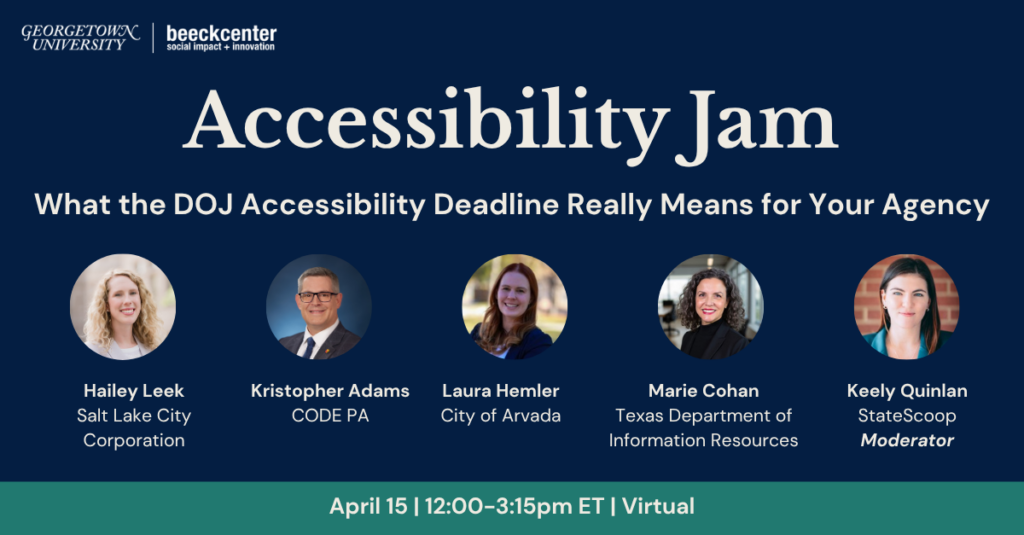
The A11y Jam opening session that introduces the April 2026 DOJ digital accessibility requirements and provides practical, plain-language guidance for government teams preparing for compliance.
A policy paper from the OECD examining how emerging technologies such as artificial intelligence, blockchain, and virtual reality can help governments address challenges in civic participation and strengthen democratic engagement.
Organisation for Economic Co-operation and Development (OECD)
The RFI summary report consolidates submissions received from the open-source software community and details twelve activities that members of the OS3I plan—or have completed—in 2024-2025.
The article discusses the phenomenon of model multiplicity in machine learning, arguing that developers should be legally obligated to search for less discriminatory algorithms (LDAs) to reduce disparities in algorithmic decision-making.