The team developed an application to simplify Medicaid and CHIP applications through LLM APIs while addressing limitations such as hallucinations and outdated information by implementing a selective input process for clean and current data.
This session from FormFest 2024 featured the work in Austin, Texas on criminal justice forms, and the South Bend, Indiana Animal Resource Center’s efforts to redevelop their animal adoption forms.
A unified taxonomy and tooling suite that consolidates AI risks across frameworks and links them to datasets, benchmarks, and mitigation strategies to support practical AI governance.
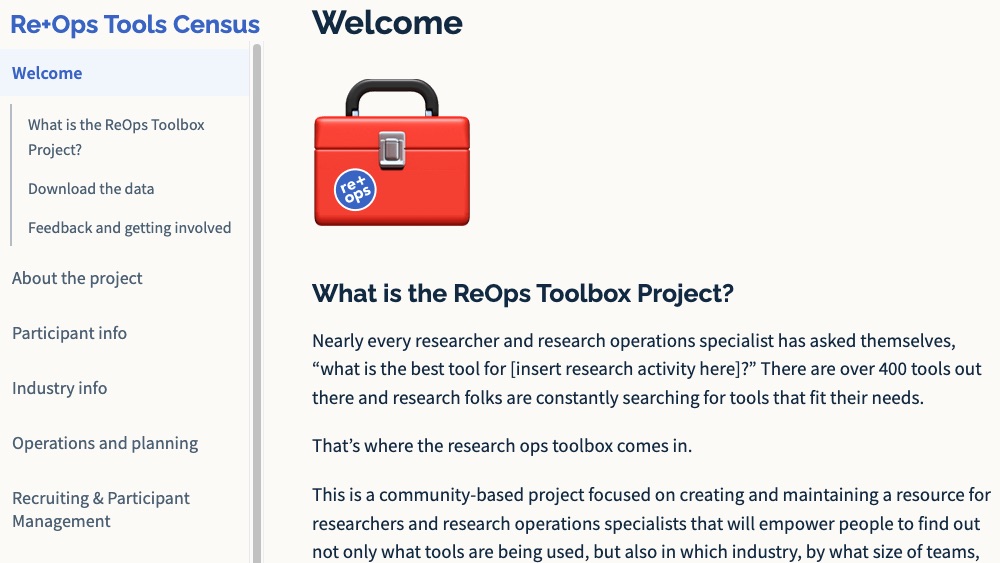
This is a community-based project focused on creating and maintaining a resource for researchers and research operations specialists that will empower people to find out not only what tools are being used, but also in which industry, by what size of teams, and where in the world.
This report shares the progress of the Biden-Harris Administration on health care access, prescription drug affordability, mental health, maternal health, and public health investments.
This paper argues that a human rights framework could help orient the research on artificial intelligence away from machines and the risks of their biases, and towards humans and the risks to their rights, helping to center the conversation around who is harmed, what harms they face, and how those harms may be mitigated.