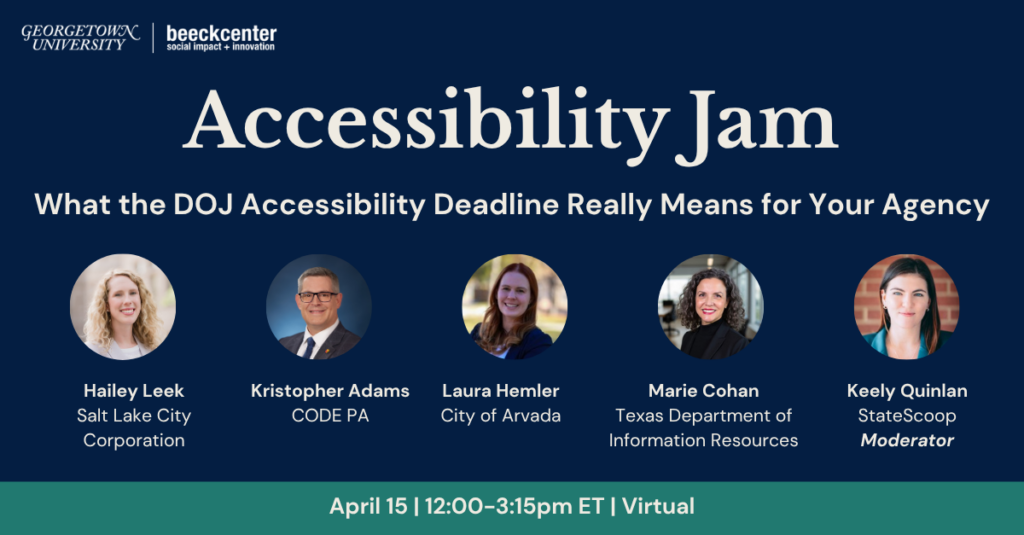
The A11y Jam opening session that introduces the April 2026 DOJ digital accessibility requirements and provides practical, plain-language guidance for government teams preparing for compliance.
A policy paper from the OECD examining how emerging technologies such as artificial intelligence, blockchain, and virtual reality can help governments address challenges in civic participation and strengthen democratic engagement.
Organisation for Economic Co-operation and Development (OECD)
The RFI summary report consolidates submissions received from the open-source software community and details twelve activities that members of the OS3I plan—or have completed—in 2024-2025.
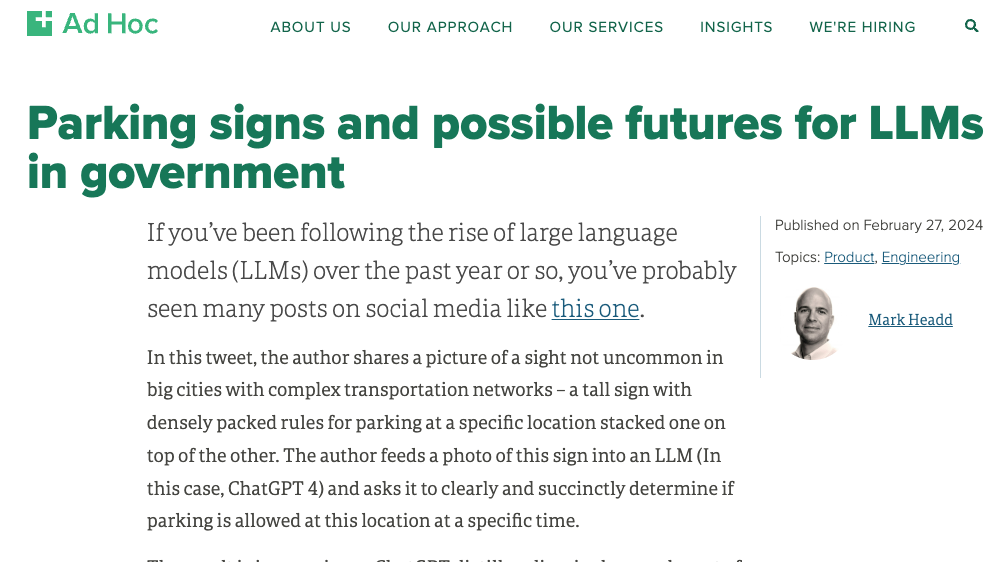
Government agencies adopting generative AI tools seems inevitable at this point. But there is more than one possible future for how agencies use generative AI to simplify complex government information.
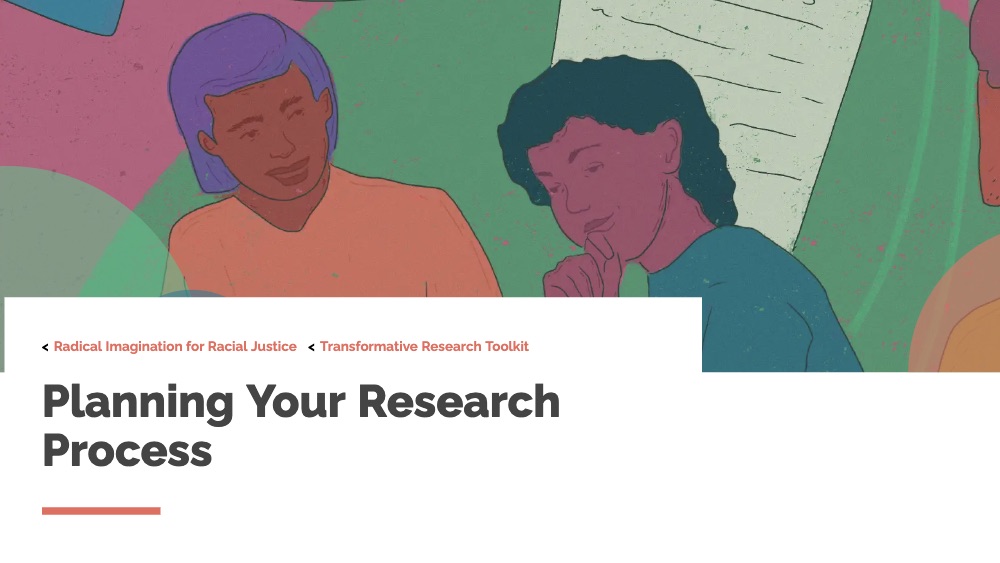
The Othering & Belonging Institute offers insight into research processes. The article is a part of the Institute's Transformative Research Toolkit, which focuses on centering lived experiences, valuing diverse ways of knowing, and influencing narratives and policies.
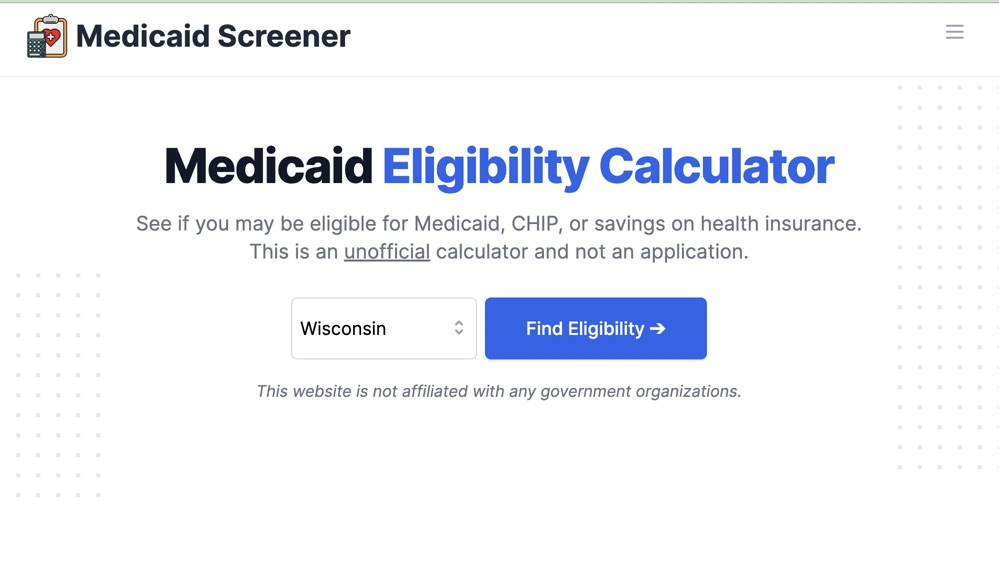
Unofficial calculator allowing users to see if they may be eligible for Medicaid, CHIP, or savings on health insurance. The calculator can be embedded on other websites.
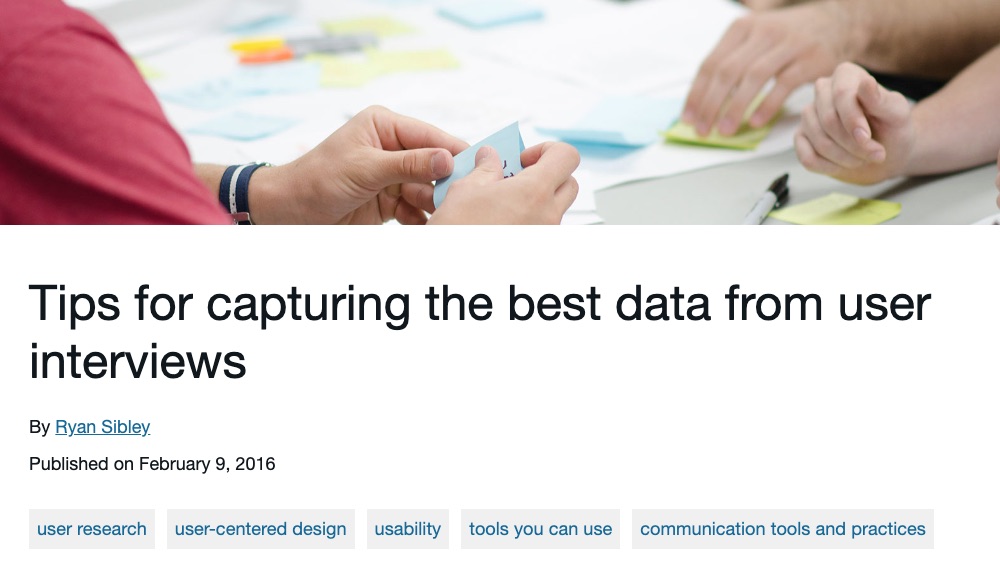
In this blog post, we’ve detailed some of the steps we take to help capture the best data possible when conducting interviews. This post is intended as a guide for people who need to conduct user interviews and for people simply curious about how we work.
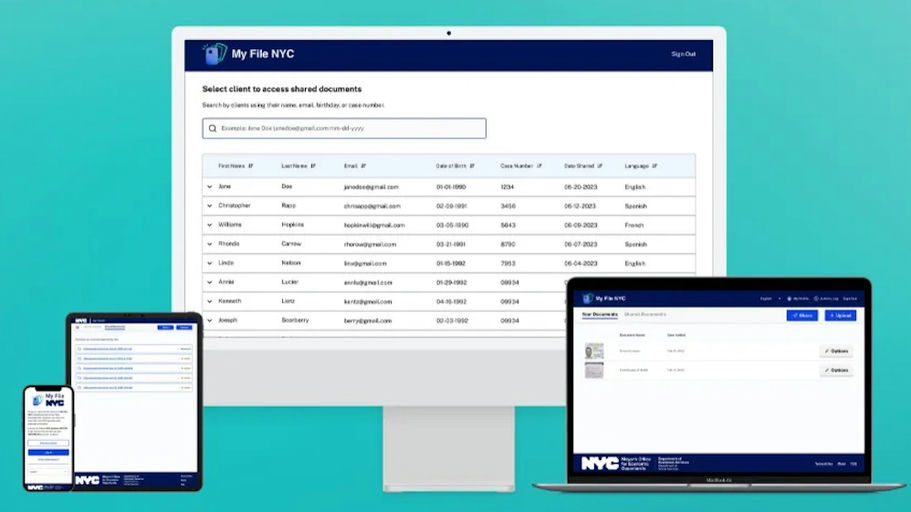
My File NYC is a document storage and sharing website that provides New York City residents a safe place to store and share vital documents when applying for City services.