Through analyzing hundreds of research studies and surveying thousands of Americans this report identifies 28 life experiences that drive lifetime income, called mobility experiences.
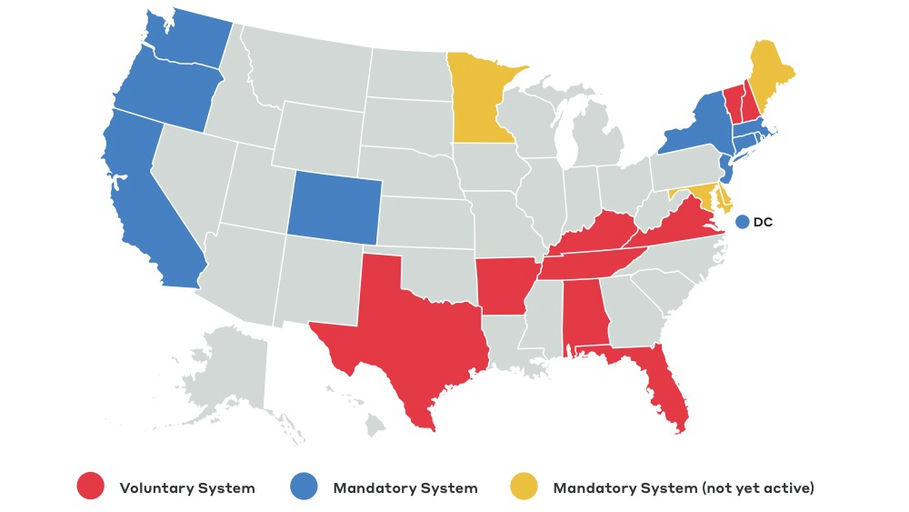
While millions of workers have gained access to PFML, the lack of uniformity in mandatory PFML programs created a growing patchwork of state laws, differing on nearly 30 policy components across four key areas: substantive benefits, financing, eligibility, and administrative requirements.
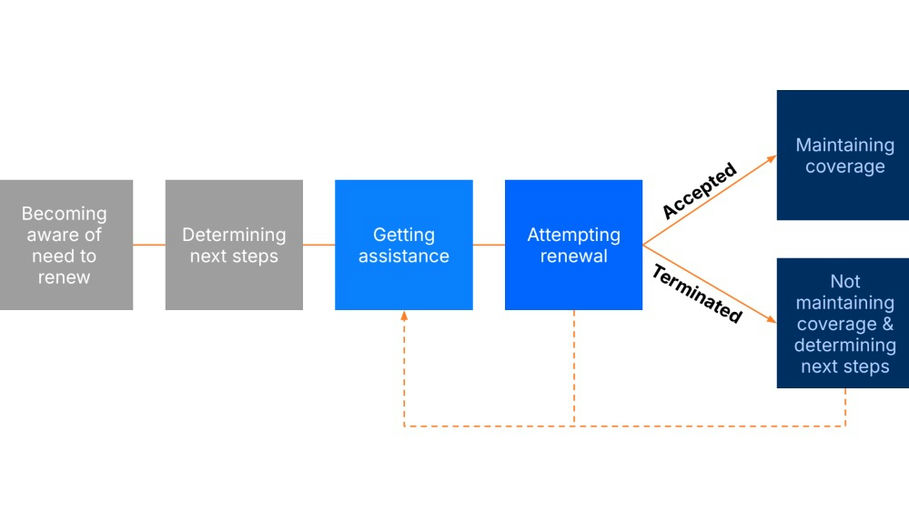
Based on user interviews with families across the United States who navigated the Medicaid renewal process, this report offers insights and recommendations for improving the experience of renewing Medicaid and other benefits.
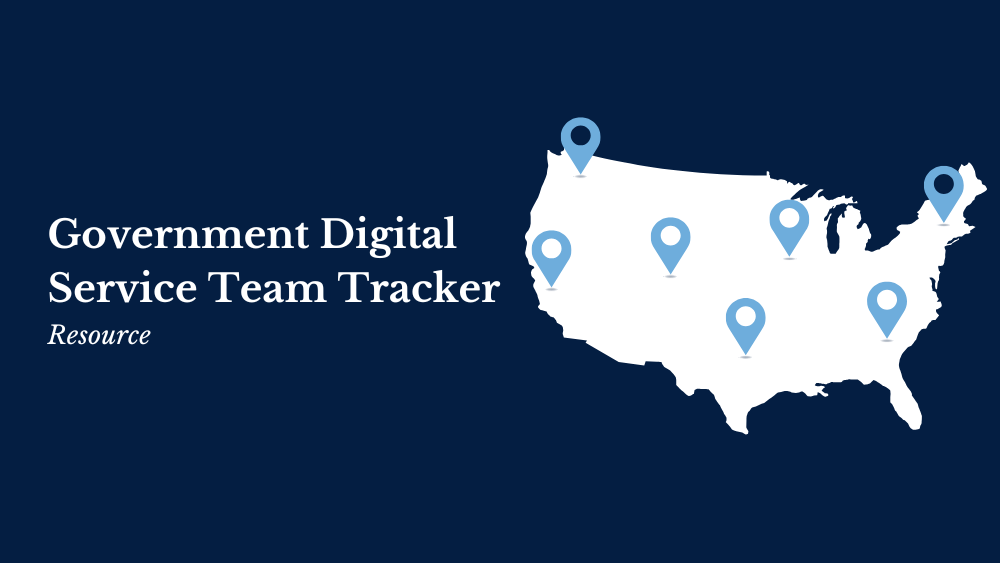
The Beeck Center for Social Impact + Innovation's Digital Service Network (DSN) maintains a Government Digital Service Team Tracker: a living database for those seeking to learn more about the locations, structures, mandates, and more of government digital service teams across the United States.
At the April 2024 in-person Chief Digital Service Officer (CDSO) convening, the DSN hosted a conversation about building teams that last and focused on three key steps – hiring, retaining talent, and upskilling.
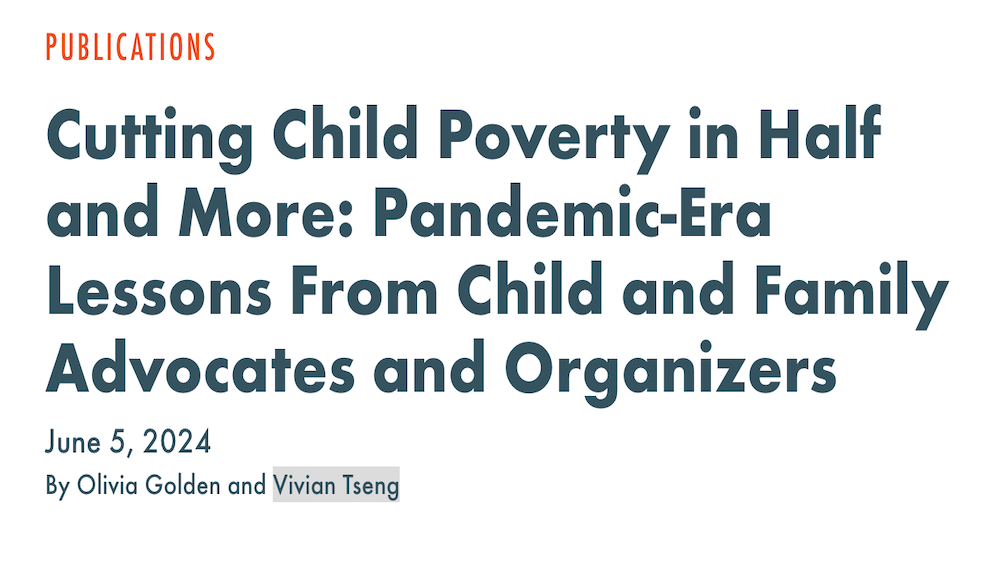
This paper discusses the country’s chronic underinvestment in children and resulting outcomes, including new data on poverty rates among young children, is inextricable from the prospects of young children; and the remarkably comprehensive pandemic-era response policies, including which changes contributed most to reducing child poverty.
This report shines a light on all the efforts that keep Open Data running, raises awareness about the latest information available from the City, and provides a glimpse into the upcoming changes and additions to our platform.
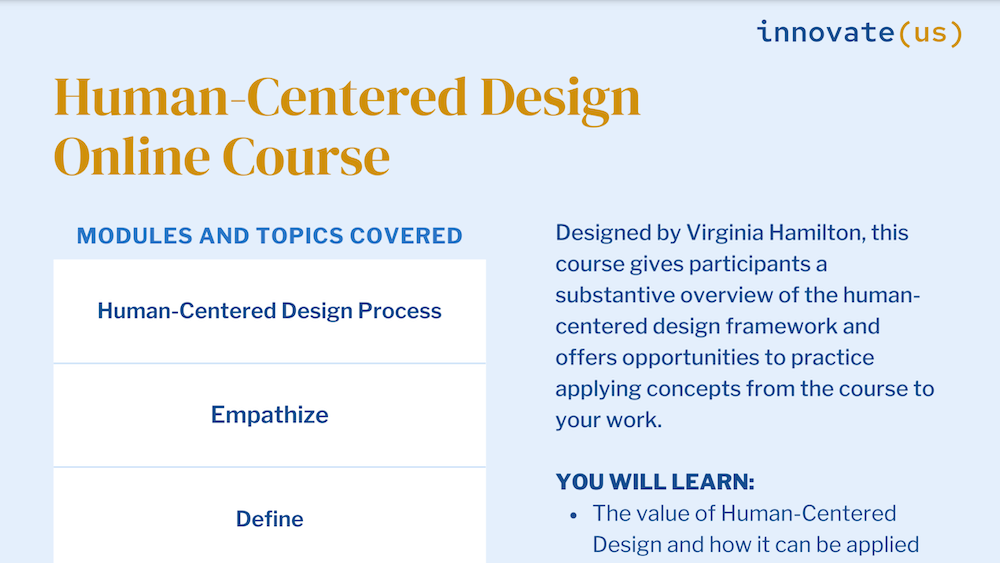
This course gives participants a substantive overview of the human-centered design framework and offers opportunities to practice applying concepts from the course to your work.
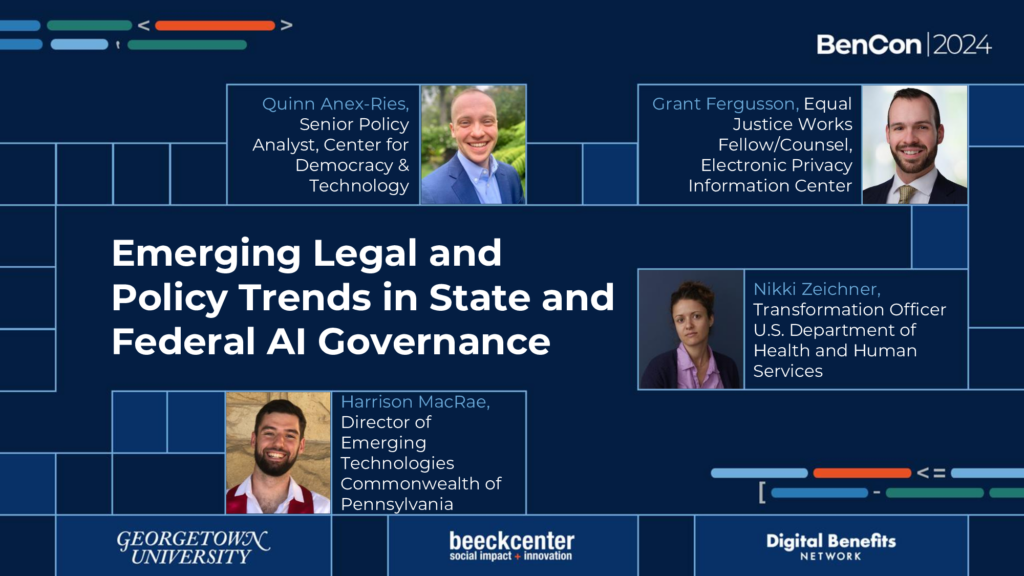
BenCon 2024 explored state and federal AI governance, highlighting the rapid increase in AI-related legislation and executive orders. Panelists emphasized the importance of experimentation, learning, and collaboration between government levels, teams, agencies, and external partners.
This report celebrates 50 years of improving maternal and child health in the U.S. through WIC and offers advancements, challenges, and solutions for the future.
This article explores how AI and Rules as Code are turning law into automated systems, including how governance focused on transparency, explainability, and risk management can ensure these digital legal frameworks stay reliable and fair.