This course gives participants a substantive overview of the human-centered design framework and offers opportunities to practice applying concepts from the course to your work.
This report documents four experiments exploring if AI can be used to expedite the translation of SNAP and Medicaid policies into software code for implementation in public benefits eligibility and enrollment systems under a Rules as Code approach.
This blog explains how to provide culturally and linguistically appropriate services to individuals who have experienced trafficking, emphasizing the importance of cultural competence and the CLAS Standards.
U.S. Department of Health and Human Services (HHS)
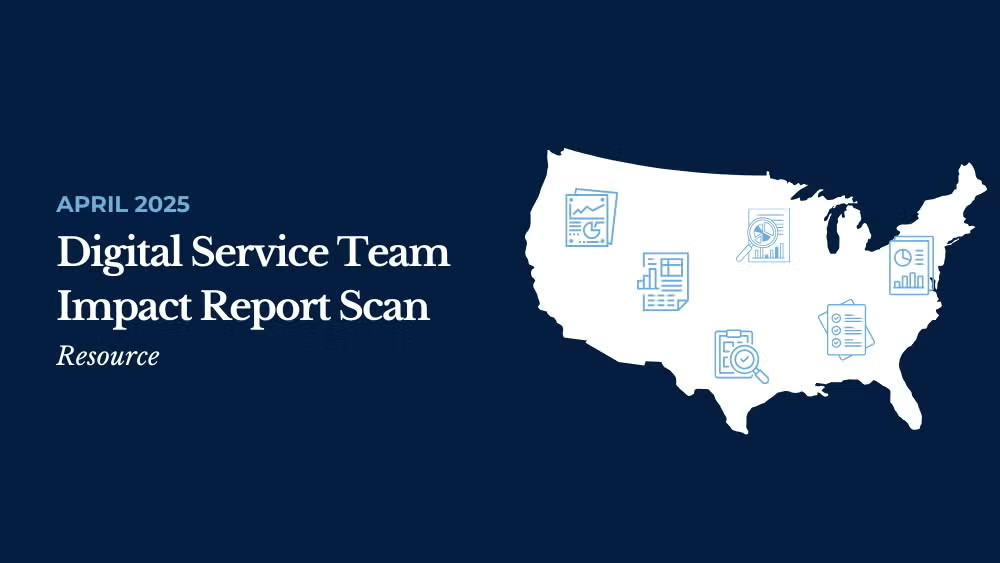
A comprehensive analysis of how government digital service teams document and communicate their impact across federal, state, and local levels. This report aims to identify key reporting trends and practices to help teams develop impact narratives that demonstrate their value to stakeholders.
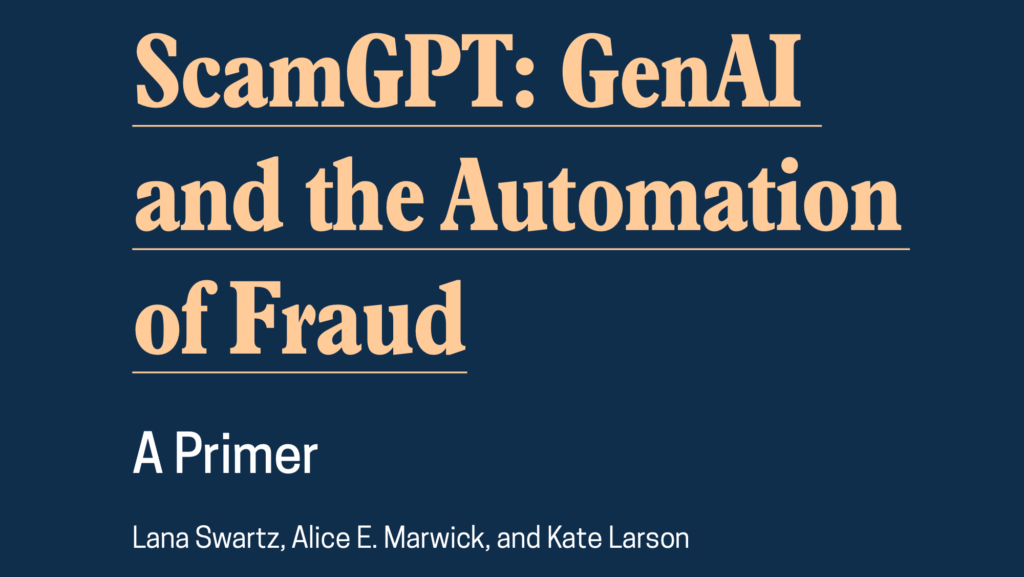
This report analyzes the growing use of generative AI, particularly large language models, in enabling and scaling fraudulent activities, exploring the evolving tactics, risks, and potential countermeasures.
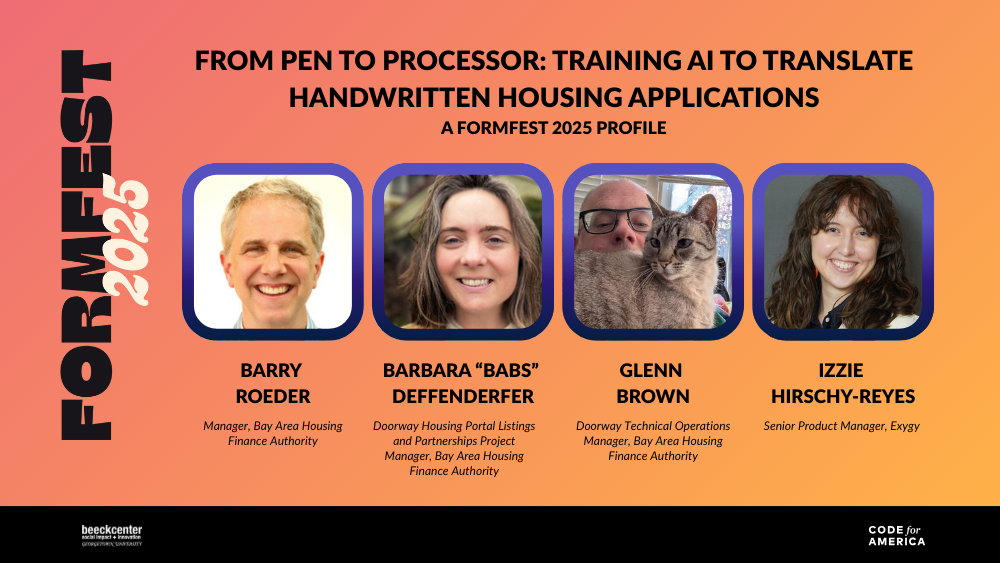
A profile on FormFest spearker’s Barry Roeder, Barabara Deffenderfer, Glenn Brown, and Izzie Hirschy-Reyes highlighting how the Bay Area Housing Finance Authority and its partners use AI and human-centered design to streamline paper housing applications.
Recapping the work and achievements of the Digital Benefits Network (DBN), Digital Service Network (DSN), and the State Chief Data Officers Network (CDO) in 2025.
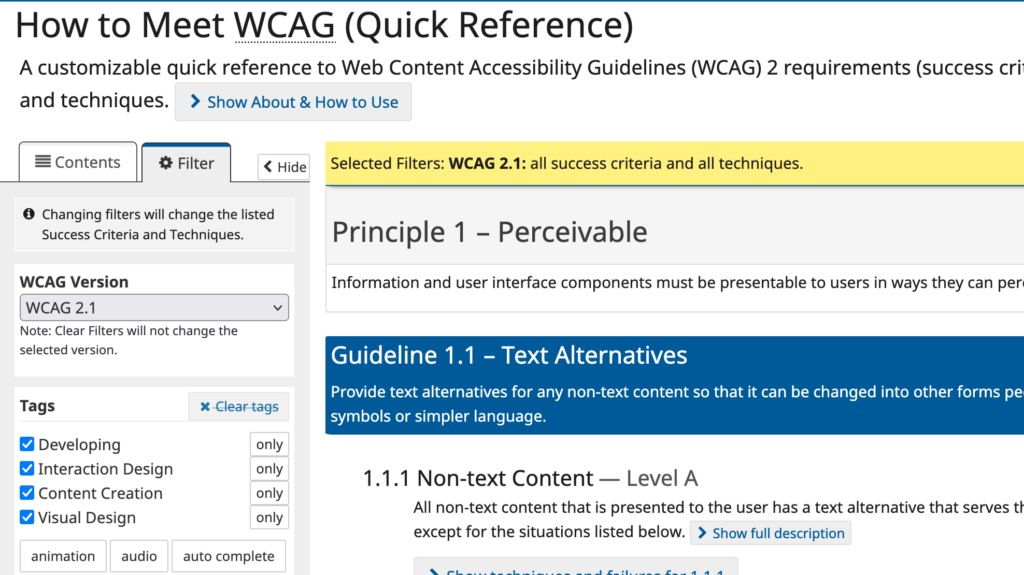
An interactive tool from the W3C Web Accessibility Initiative that provides a customizable, filterable view of WCAG 2.x success criteria and implementation techniques to help teams design and evaluate accessible digital content.
A TLDR of the State CDO Archetypes report—covering how state CDO offices operate and the six archetypes that define them. Written for event attendees and government staff: governor's office, IT and budget leadership, legal and data officials, and legislators who oversee CDO funding and establishment.
With a federal accessibility deadline approaching, the Beeck Center convened government leaders to turn compliance pressure into lasting digital inclusion.
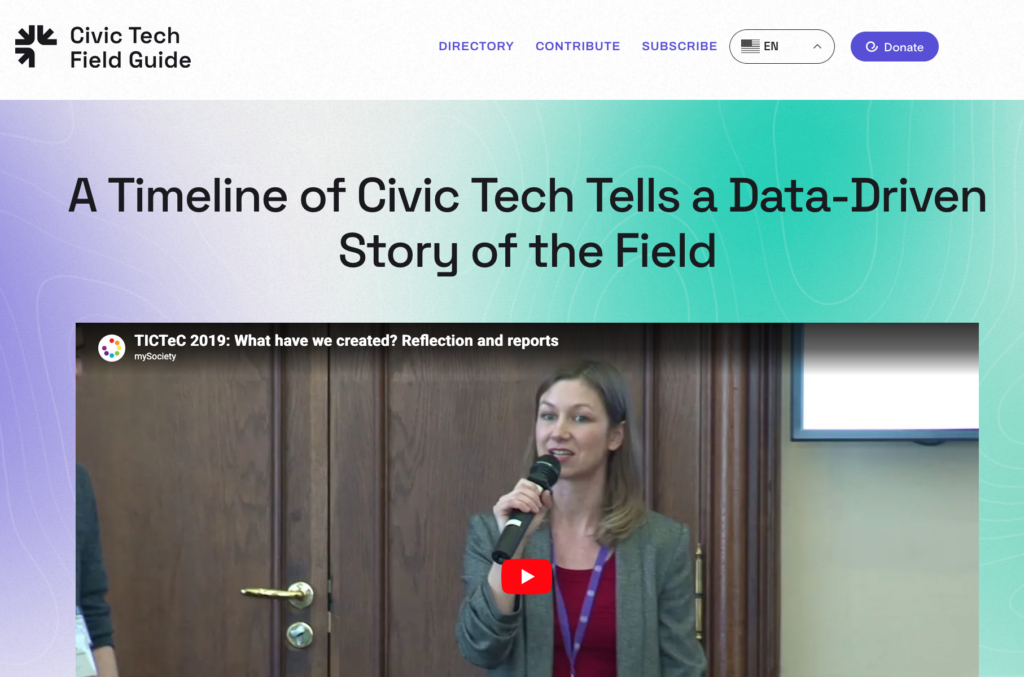
A blog post explaining how a data-driven civic tech timeline visualizes the growth, diversity, and evolution of the civic technology field, spanning 25 years from 1994-2018.