This report examines the extent to which proposed options included in the Student Food Security Act, Let Students Eat proposal, and the EATS Act impact specific demographics of students, either by increasing access or by streamlining the process for qualifying students to demonstrate eligibility.
To kick off the Digital Service Network’s (DSN) summer event series, Let’s Get Digital, the DSN heard from the State of Arizona on their efforts to transform government services through a strong collaboration between information technology (IT) and digital service functions.
The second event in the Digital Service Network’s summer event series, Let’s Get Digital, focused on the City of Boston’s transformative journey to streamline its procurement processes.
A growing observatory of examples of how open data from official sources and generative artificial intelligence (AI) are intersecting across domains and geographies.
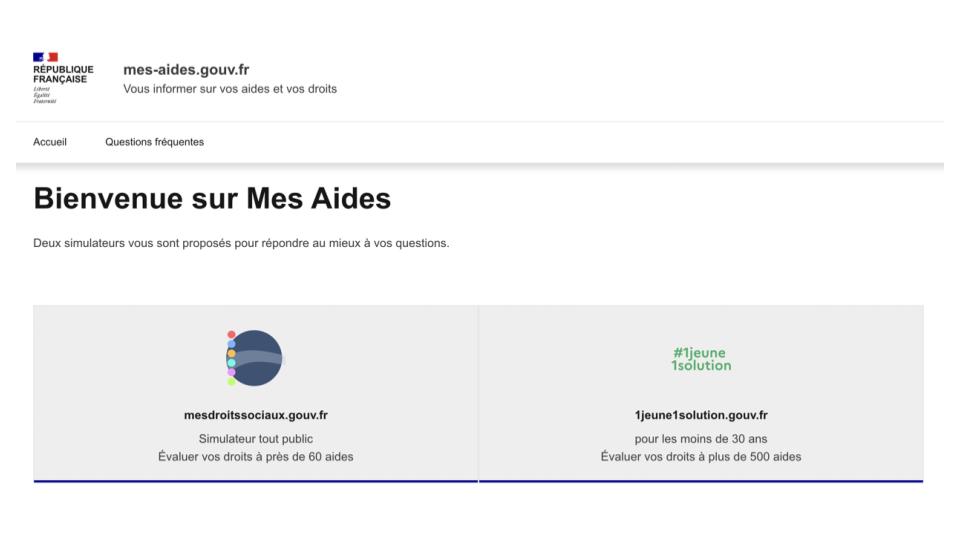
beta.gouv.fr, a French government incubator, developed Mes Aides, an online benefits simulator launched in 2014 to help residents assess their eligibility for various social programs, addressing the issue of unclaimed benefits. The tool, built with open-source technology, enabled users to quickly estimate their potential benefits but was later integrated into a broader platform in 2020 following internal government disputes over authority.
Many low-income households lack the savings to weather financial shocks like layoffs, and SNAP plays a crucial role in helping them manage essential expenses during difficult times.
The team explored the performance of various AI chatbots and LLMs in supporting the adoption of Rules as Code for SNAP and Medicaid policies using policy data from Georgia and Oklahoma.
The team developed an application to simplify Medicaid and CHIP applications through LLM APIs while addressing limitations such as hallucinations and outdated information by implementing a selective input process for clean and current data.
This framework provides practical guidance, detailed reference designs, and example solutions to help organizations securely adopt and operationalize Zero Trust principles across diverse IT environments.
National Institute of Standards and Technology (NIST)
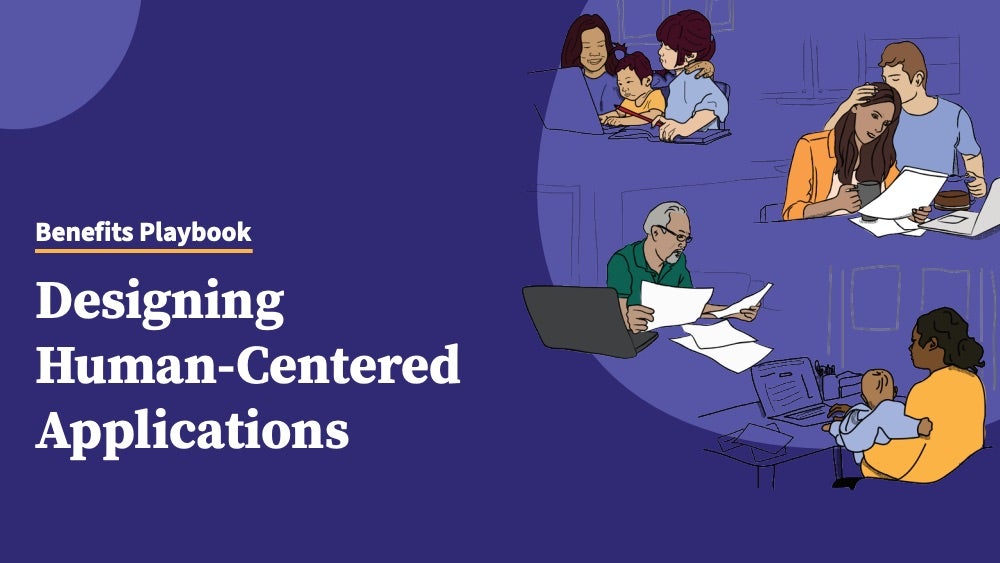
A four-part U.S. Digital Service blog series detailing how the federal “Birth of a Child and Early Childhood” Life Experience team used human-centered design to improve benefit access, peer support, and maternal mental health services for families with children ages 0–5.